
Taking place annually in the heart of Mayfair, London, the LAPADA Berkeley Square Fair brings together more than 100 leading dealers showcasing antiques, jewellery, fine art, design and decorative arts from across the centuries. What sets it apart is its status as one of the UK's most prestigious art and antiques fairs, with only the very best pieces making it onto the stands. A specially selected committee of more than 70 experts vets every exhibit, ensuring the high standards for which the fair is known.
While antiques remain at its heart, the fair surprisingly also highlights modern design and contemporary works, demonstrating how historic and contemporary pieces can sit beautifully side by side. With so much on display, we've selected our eight highlights from this year's LAPADA Berkeley Square Fair.
My favourite pick is the Victorian butcher's shop diorama presented by Lennox Cato because of its intricate detailing and remarkably preserved condition for a piece that is almost 200 years old. Not only a decorative object, but it is also a fascinating piece of social history, offering an insight into everyday life in the Victorian period. Its original purpose in the 1850s might surprise you. Read on to discover more.
Which is your favourite?
8. Kate and Bianca by Nikoleta Sekulovic, £64,000, Rebecca Hossack Gallery
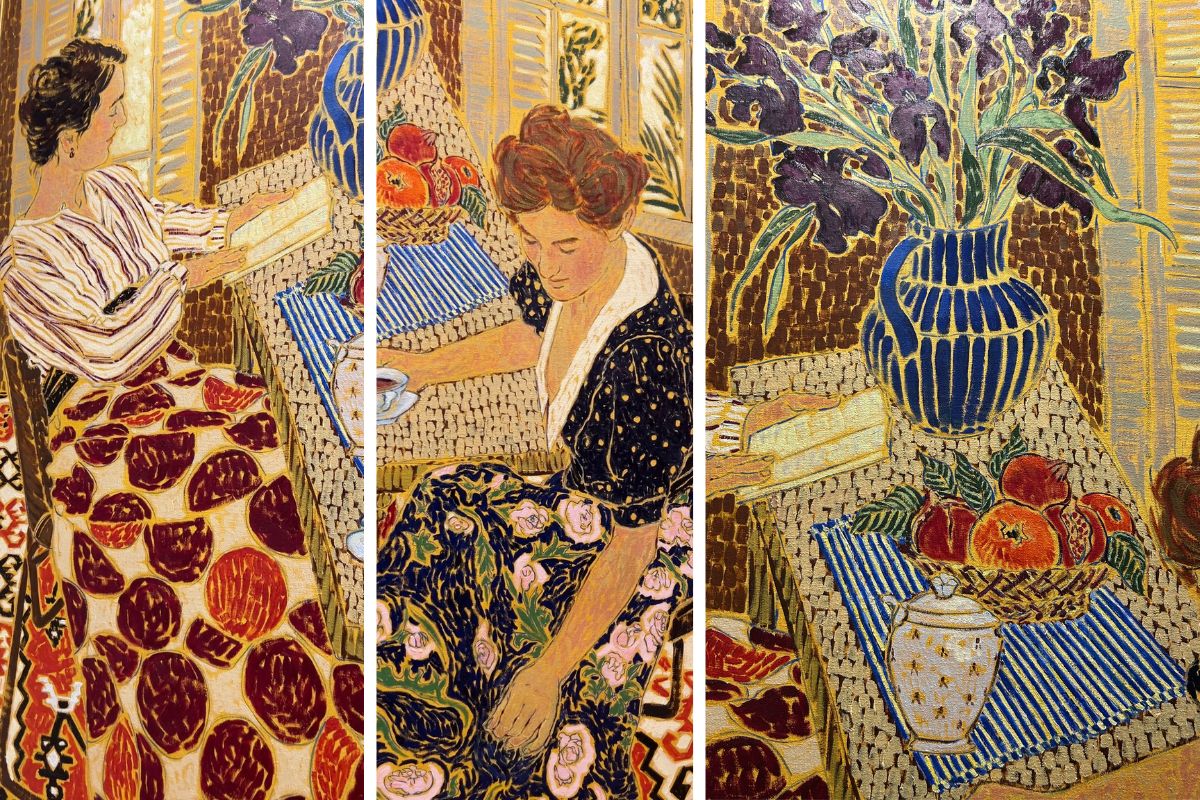
Kate and Bianca is a large-scale oil on linen painting from 2026 inspired by William Shakespeare's 16th-century comedy The Taming of the Shrew. It depicts the sisters Katharina and Bianca Minola, whose contrasting personalities and attitudes towards marriage form the basis of the play's exploration of power, society and gender. Filled with nature-inspired and abstract patterns, the work showcases the artist's characteristic brushwork and vivid colour palette, creating an intricate and compelling portrayal of its subjects.
Represented by Rebecca Hossack Gallery, Nikoleta Sekulovic's practice centres on contemporary figurative painting, drawing on historical narratives to offer fresh interpretations and imagined futures. Her works often pay homage to notable female figures, exploring themes of identity alongside the moral and intellectual ideals associated with her subjects.
Discover more about this painting
7. Pair of Art Deco silk tapestries attributed to Paul Poiret, £65,000, Jay Arenski
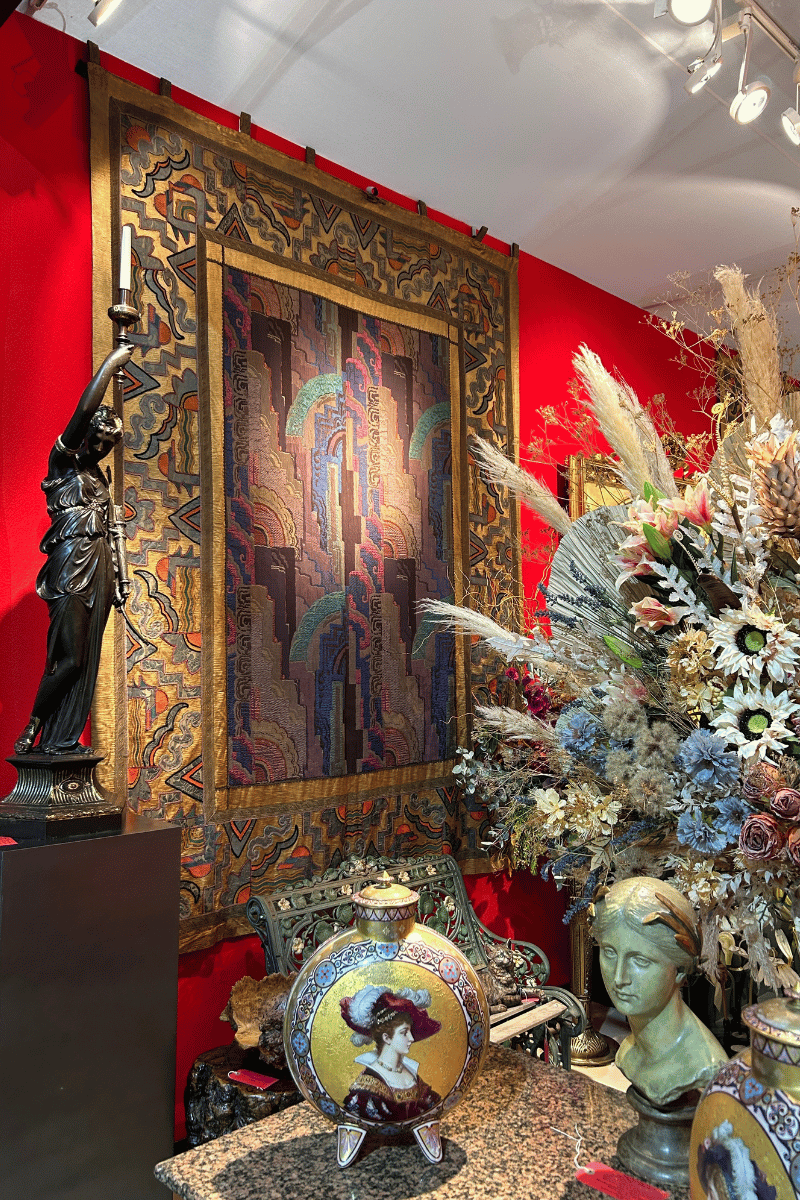
At first glance, this pair of tapestries appears to be a striking geometric composition. Look closer, however, and the design reveals a stylised interpretation of the New York skyline of the 1920s, rendered in vibrant colour.
Attributed to Paul Poiret, one of the most influential French fashion designers of the early 20th-century, the tapestries feature skyscraper silhouettes interwoven with curved motifs suggestive of steam, celebrating the technological and industrial innovations of the era. The borders are adorned with gold silk fabric, its lustrous surface creating a bold contrast with the deeper tones of the geometric design.
Embodying the spirit of Jazz Age design, the pair offers an abstract interpretation of the Roaring Twenties, capturing both the energy of a rapidly modernising world and the optimism that defined the period.
Discover more about these tapestries
6. George I japanned bureau cabinet attributed to John Belchier, POA, De Jong Fine English Furniture
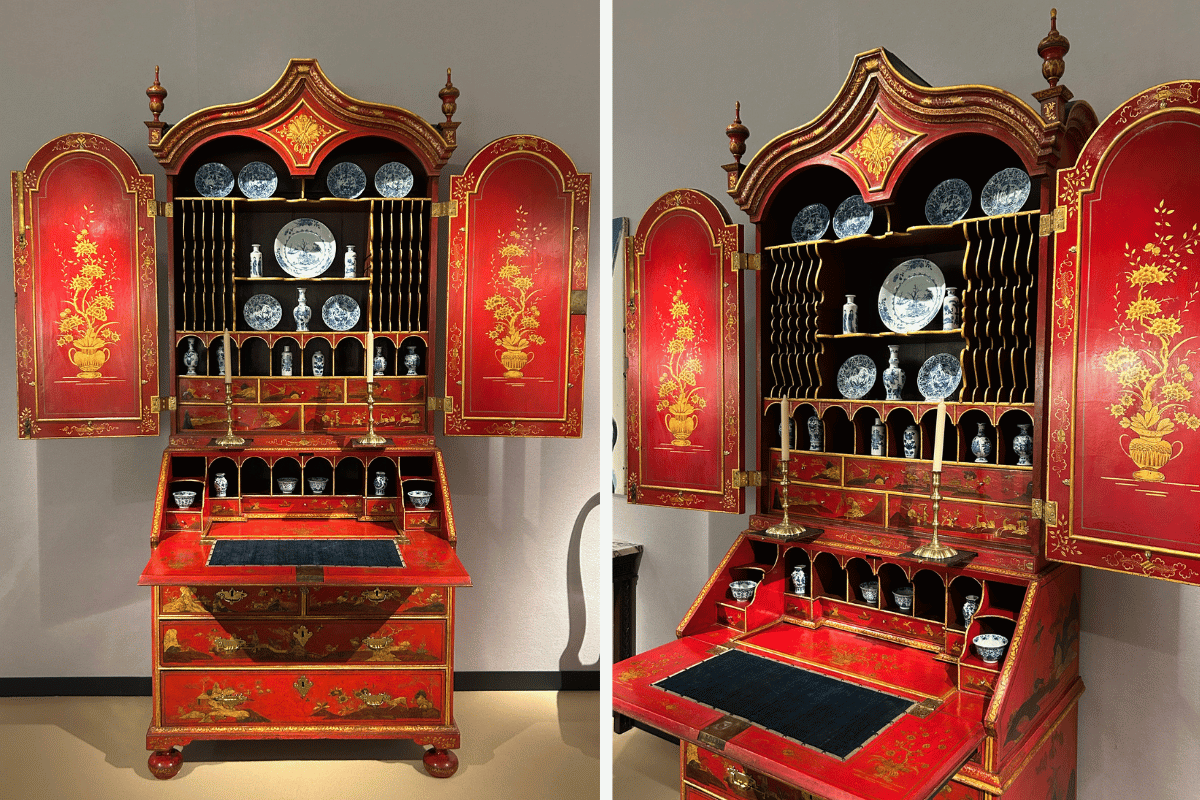
From the collection of De Jong Fine English Furniture, this superbly preserved George I bureau cabinet dates to c1720. It is attributed to the renowned London cabinetmaker John Belchier and is lavishly decorated with a scarlet ground and gilt chinoiserie decoration.
In person, this piece truly commands a space and is impossible to walk past without admiring its finer details. Among its many original features are the brass handles, escutcheons and key, while hand-painted chinoiserie scenes depict figures, trees, villages and islands. These decorative motifs reflect the European fascination with Eastern decorative arts, Asian lacquer and the growing popularity of japanning during the early 18th century.
What makes the cabinet all the more remarkable is that the craftsmen responsible for its decoration most likely had never travelled to the distant lands that inspired their work. Instead, they are believed to have drawn inspiration from imported objects such as porcelain, interpreting foreign landscapes and cultures through imagination and observation.
Discover more about this bureau cabinet
5. Table lamp attributed to Emanuel Josef Margold, school of Josef Hoffmann, £9,500, Florian Kolhammer
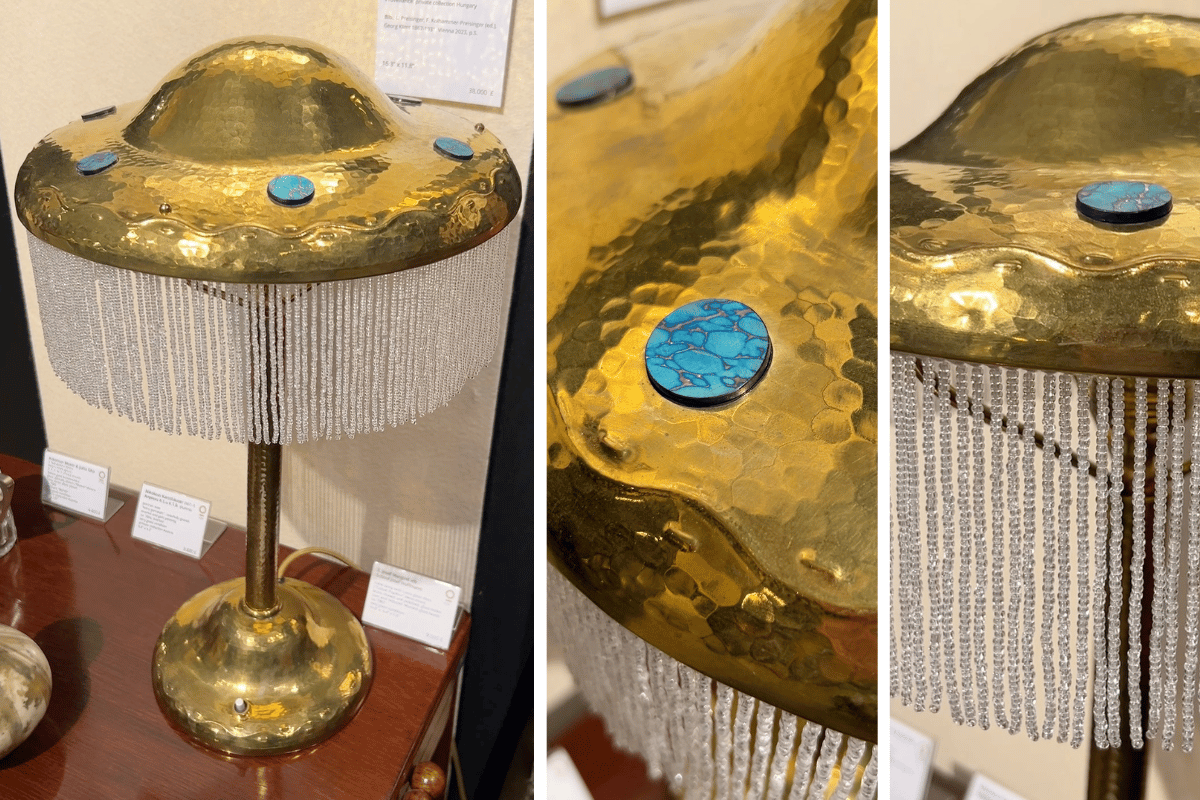
Presented by Florian Kolhammer, the Austrian dealer specialising in turn of the 20th-century design, was a chased and polished brass lamp with Loetz glass detailing dating to around 1907.
Attributed to Emanuel Josef Margold, the Austrian architect and designer who studied under Josef Hoffmann, the lamp embodies the elegance and simplicity of the Austrian Secession style. The lampshade is adorned with a hammered wave pattern, a decorative motif for which Margold is particularly known.
Contrasting with the lustrous, textured brass body are vivid speckled blue Loetz glass roundels. Decorated in the distinctive 'Cobalt Papillon' décor, they showcase one of Loetz's most recognisable iridescent glass finishes. Beneath the lampshade hangs a curtain of Murano glass beads, which envelops the lamp and further enhances its interaction with light, adding movement and sparkle to the design.
Discover more about this table lamp
4. Arts and Crafts Tabriz rug, POA, Gallery Yacou
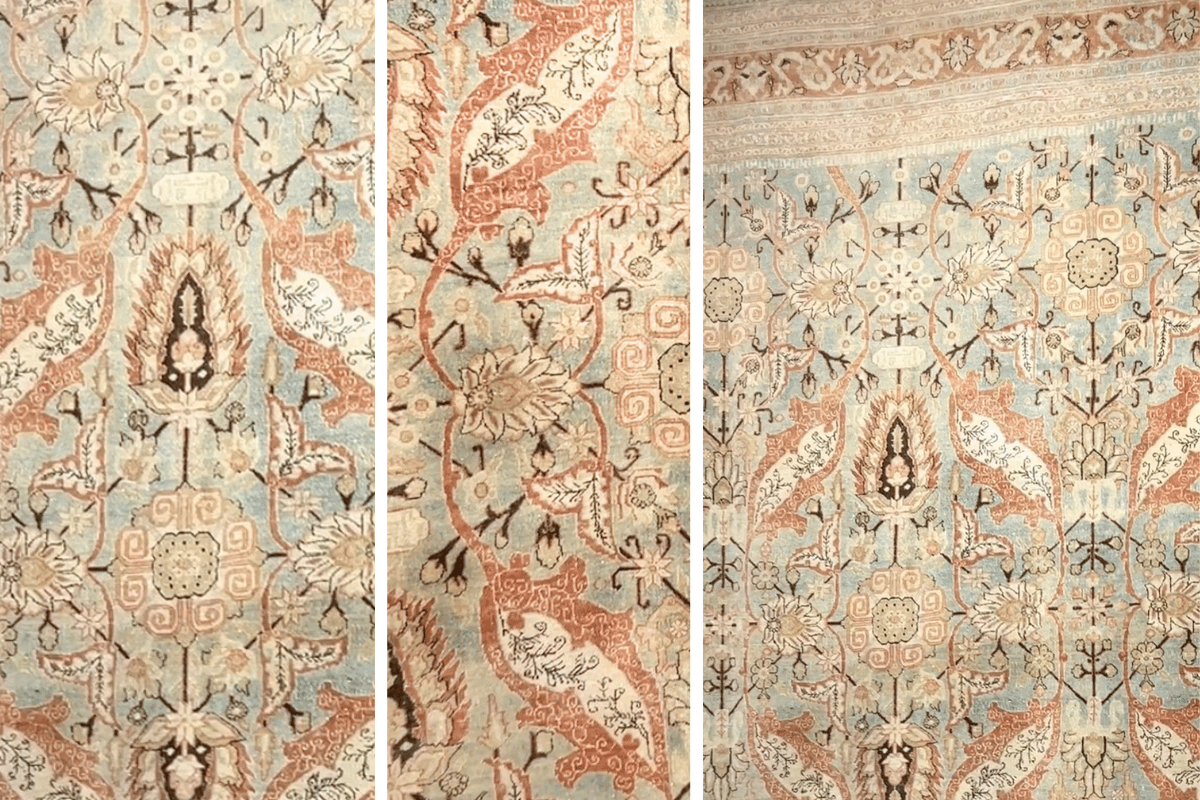
Of impressive size, this intricate carpet was hand-woven in Tabriz, in north-west Persia, a city renowned for its rich rug-weaving tradition, which dates back to the 12th century.
‘Unlike other rugs from this region and period, which tend to follow more traditional Persian design characteristics, this one has a highly unusual design inspired by the Arts and Crafts movement of the late 19th century,’ explains Robin Yacoubian, co-owner of Gallery Yacou.
Dating to c1880-1890, the rug was created while the Arts and Crafts movement flourished in Europe. Its polychrome threads have been dyed using natural vegetable pigments and woven to an exceptionally high standard. The unusual European-inspired design, together with its impressive quality and scale, suggests that it was likely commissioned for a notable European client.
3. Art Deco diamond double clip brooch by Raymond Yard, £38,000, Sandra Cronan
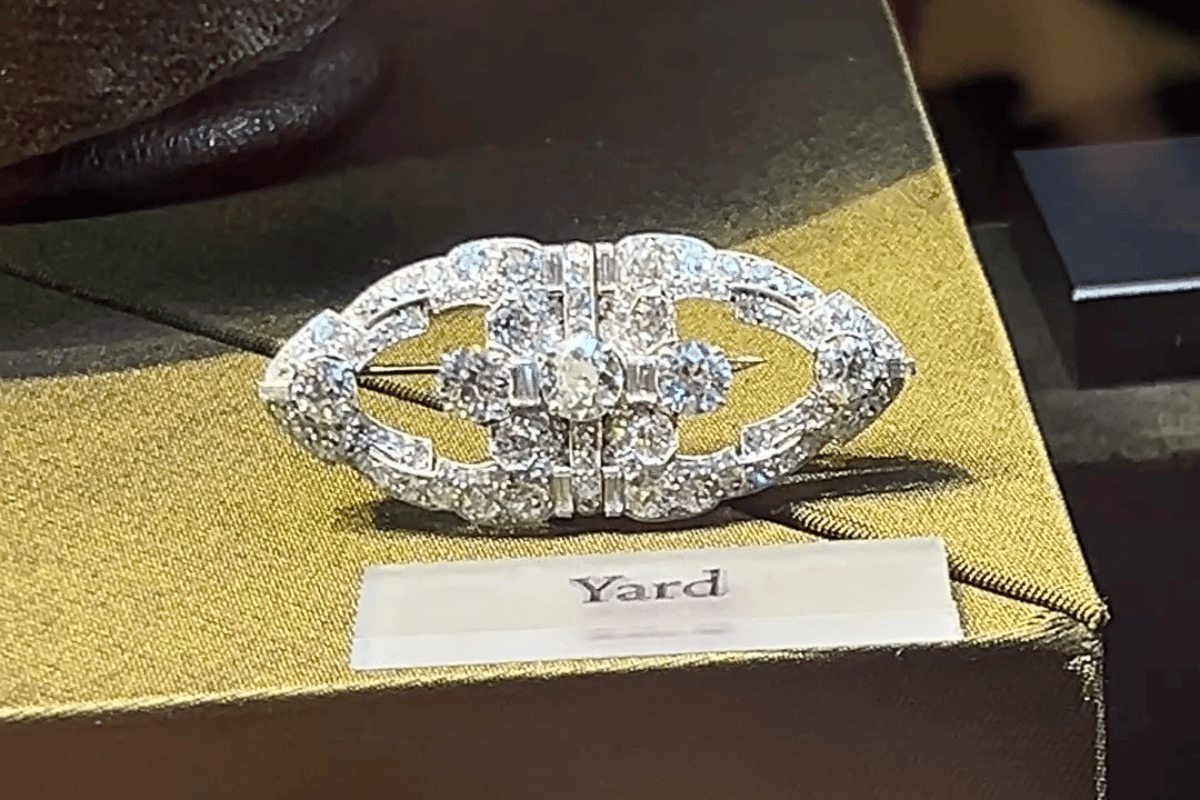
This double-clip brooch by Raymond Yard dates to the 1920s. Widely regarded as one of the great jewellers of the Art Deco period, Yard opened his first store in 1922 and soon established himself among New York's leading jewellers. Renowned for using exceptional materials, his craftsmanship and attention to detail are evident in this striking piece.
While it can be worn as a brooch, the piece separates at the centre to create two symmetrical clips. ‘You would see movie stars of the 1930s wearing them on dresses, securing the neckline on either side,’ says Sandra Cronan, the London-based antique jewellery specialist and director of Sandra Cronan Ltd. Today, their geometric design and versatility continue to appeal to buyers and collectors, making them both a desirable jewellery piece and a stylish fashion accessory.
Discover more about this brooch
2. The Second Age of the World map by Harmann Schedel, £16,000, Altea Gallery
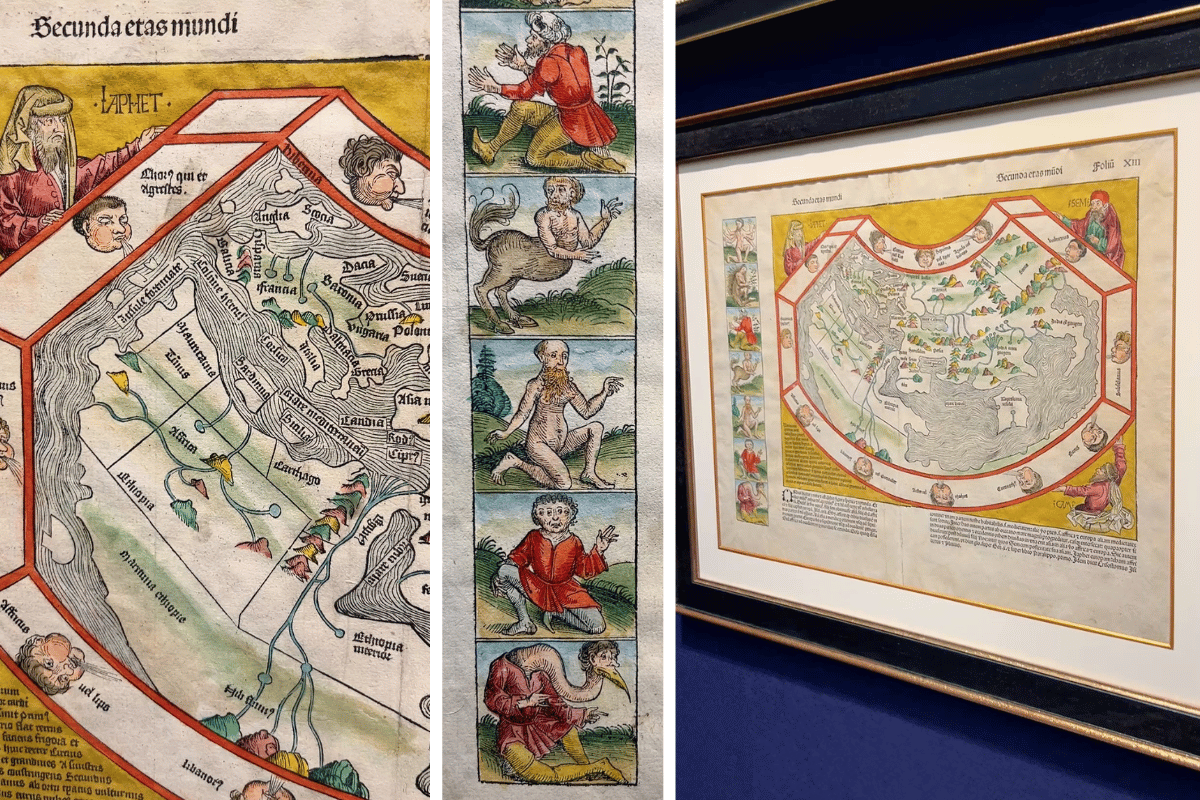
Published in 1493, just months after Christopher Columbus returned to Spain from his first voyage to the Americas, this map was presented by Altea Gallery as ‘one of the earliest world maps available to collectors’. Vividly coloured in shades of yellow, green and red, it is based on the cartography of Claudius Ptolemy, whose landmark 2nd-century work, Geographia, revolutionised the understanding of the known world and shaped mapmaking for centuries.
Adding further interest, the map incorporates biblical imagery, with the three sons of Noah depicted within its borders. Its appeal to collectors is enhanced by seven vignettes on the front and a further 14 on the reverse, illustrating a variety of mythological creatures. Drawn from the writings of figures including Herodotus and Pliny the Elder, these fantastical beings are accompanied by text describing the regions of the world in which they were said to be found.
1. Victorian butchers shop diorama, POA, Lennox Cato
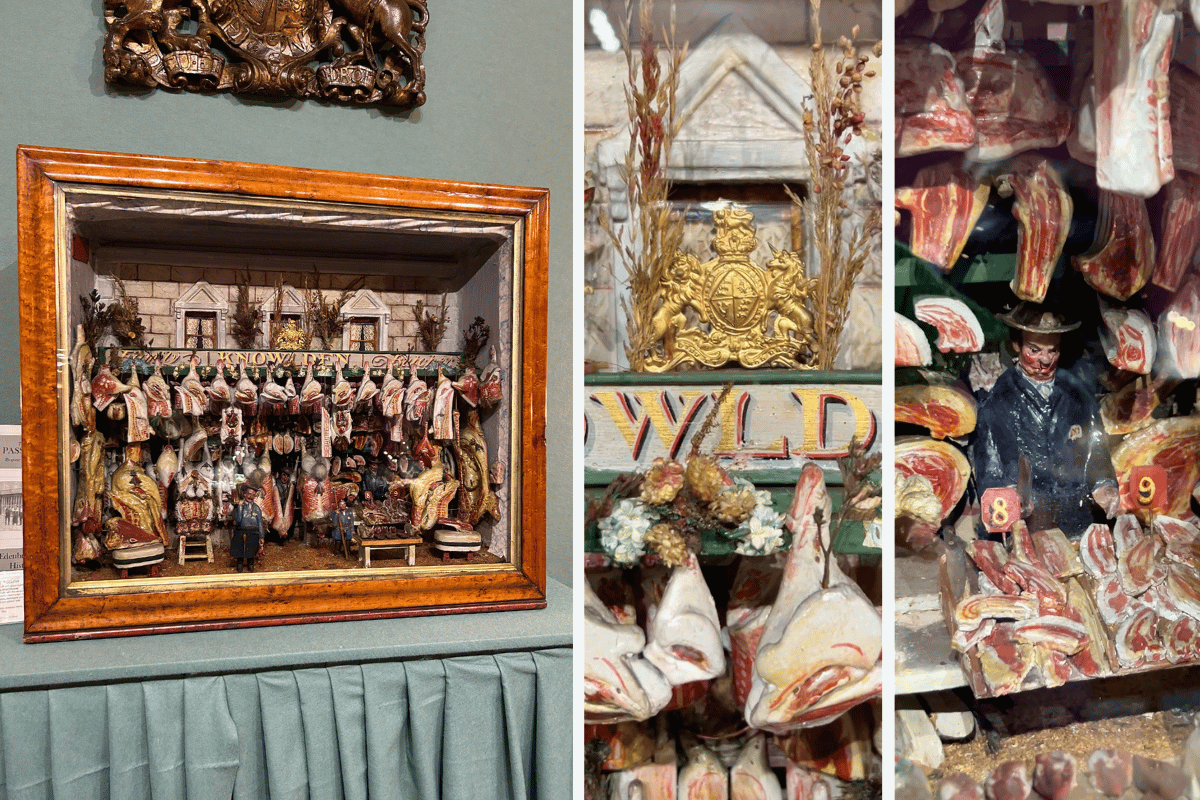
Not only a decorative object but also a fascinating piece of social history, this Victorian butcher's shop diorama, dating from the 1850s, was showcased by Lennox Cato. Crafted by G. Fernley of Limehouse, London, the skilfully handcrafted model depicts the shopfront of Knowlden Family Butchers in remarkable detail.
Carved from wood and plaster with polychrome decoration, and preserved in superb condition, the scene includes butchers at work, a butcher's boy (known as a 'yob'), displays of meat and even a Royal Warrant above the shopfront. Decorative details such as bunches of herbs, thought to deter flies, and rosettes marking prize livestock further highlight the business's high standing.
The diorama is housed within its original bird's-eye maple veneered case, complete with carrying handles on either side. These allowed it to be placed in and removed from the butcher's window, where it is believed to have served as an advertisement for the business when the shop was closed.
‘This is a collector's dream. It is so rare, and the condition is absolutely remarkable,’ says Lennox Cato.


