
'When it comes to the built environment… we have a tremendous responsibility to try and respect the narrative of what we have, and not constantly try to clean it up,’ urged Kevin McCloud at SAVE Britain’s Heritage 50th anniversary lecture last year. His address, ‘Reinventing Buildings: A manifesto for the imagination’, centred on the imperative to adapt and maintain historic buildings rather than demolishing these links to our past.
The Grand Designs presenter pointed to the blunt fact that in erasing such buildings, we are destroying the culture and identities of the communities they come from, and his 10-point manifesto called for us to get creative in our approach to old buildings’ potential, rather than simply pulling them down. As such, he implores councils, developers and architects to ‘use your imagination. I mean, really use it to add layers of interest, delight and reuse to the existing’.
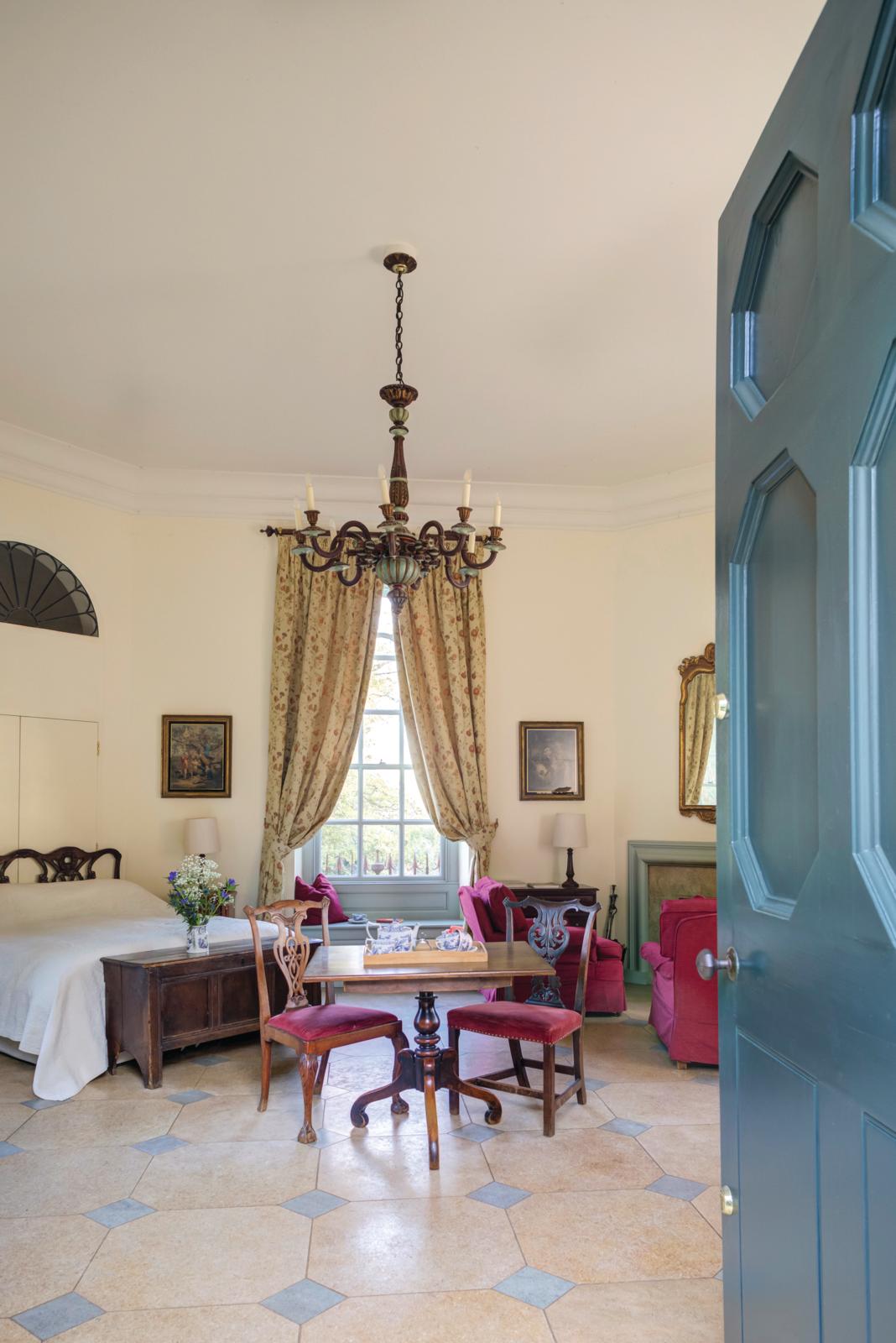
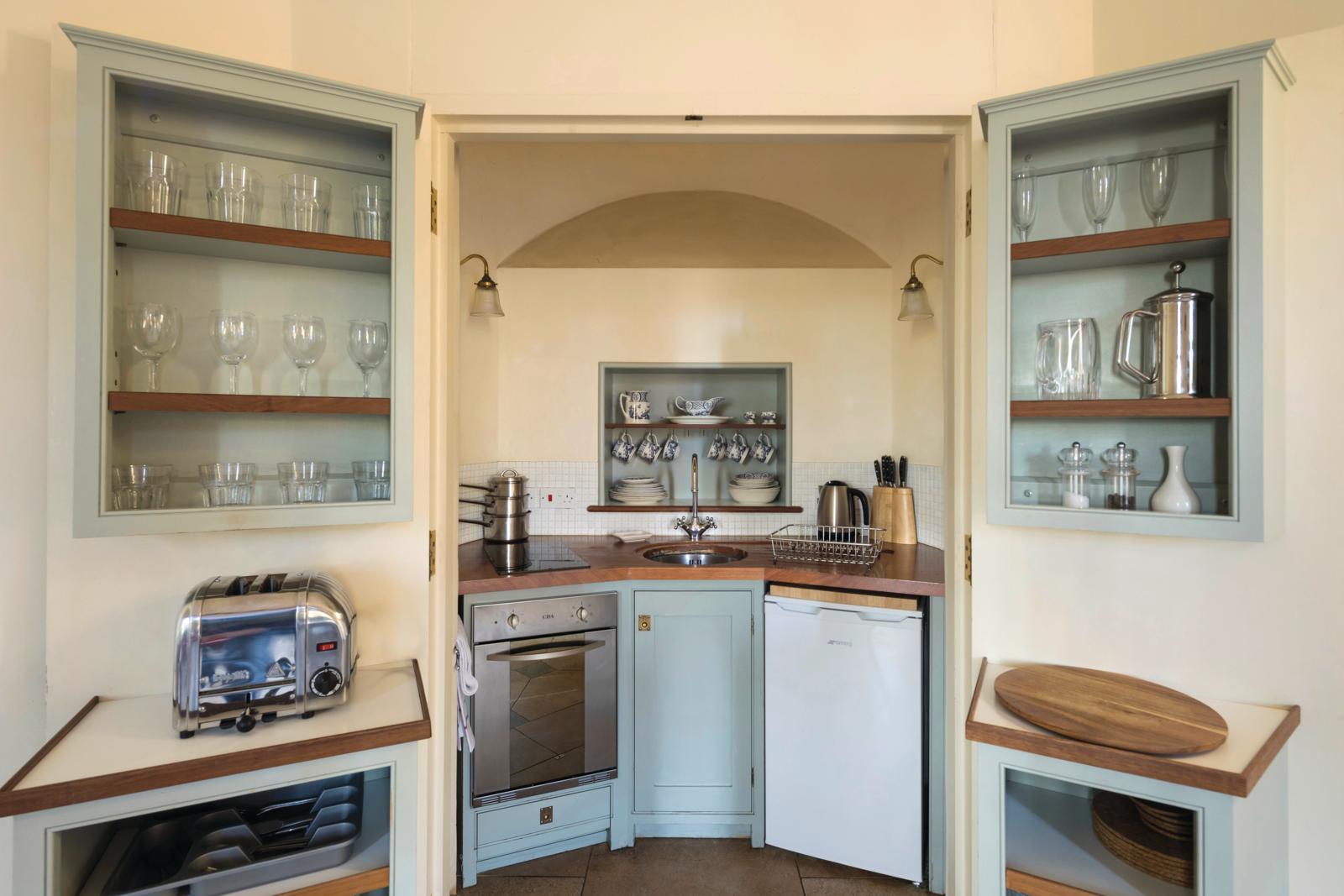
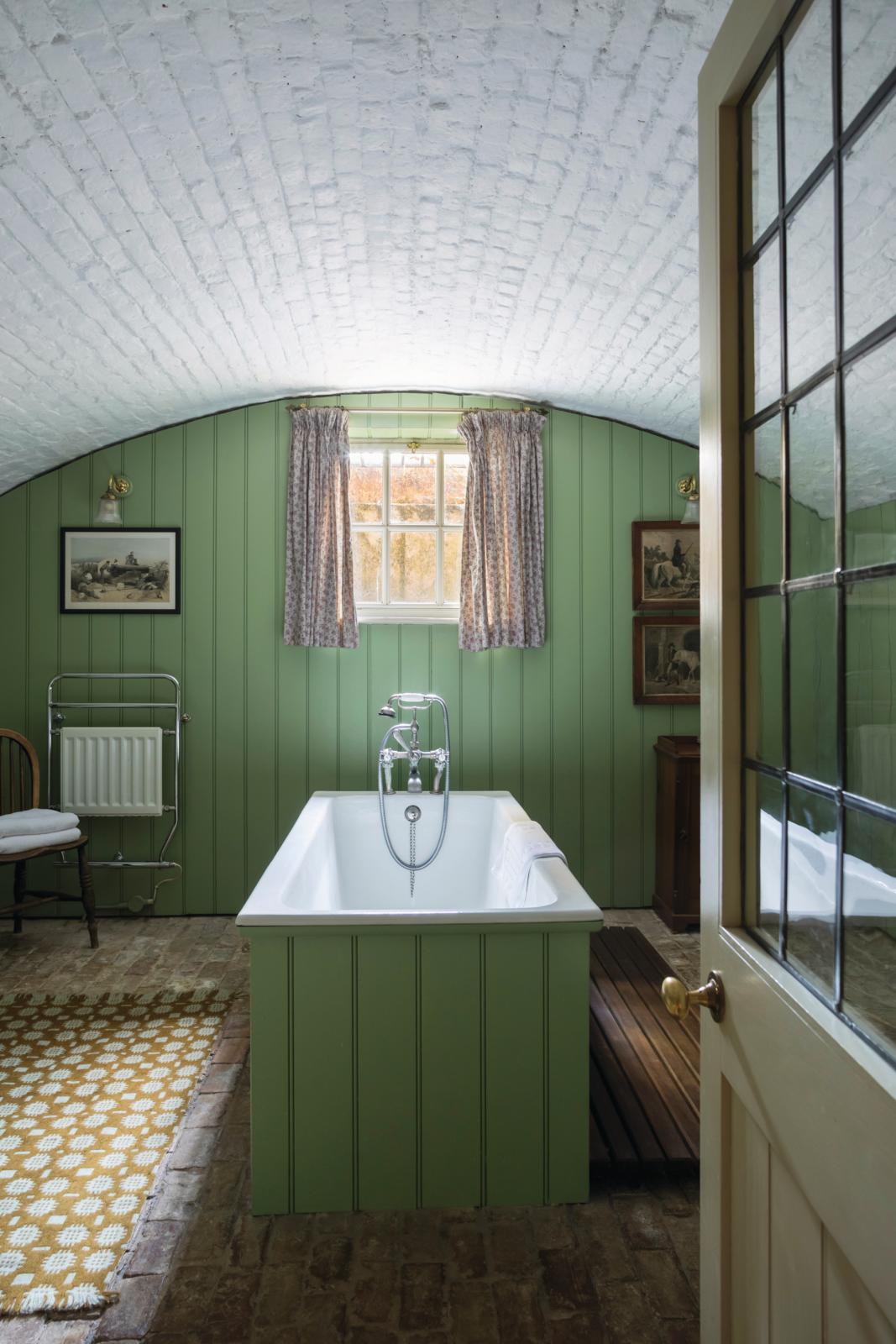
SAVE has spent the past 50 years campaigning to bring this kind of new life to threatened historic buildings. Many have been large-scale projects, such as Smithfield Market or Wentworth Woodhouse, but small buildings are vital too, and the act of rescuing and reimagining them comes with twin challenges to address – those of both heritage and space constraints.
The rewards of completing such projects, however, can be huge. Besides the retention of the building itself, there’s a benefit for the environment, not to mention the inherent magic of giving a lovely old building a new lease of life. Across the UK, all manner of historic structures have been turned into atmospheric homes or holiday lets – from windmills and ancient farm buildings to chapels, gatehouses and stations.
There’s even been a move in recent years to save old public toilets from demolition, turning them into bijou performance spaces, cafes, bars and homes. The Victorian and Edwardian penchant for over-designing utilitarian spaces means these formerly unromantic places are blessed with an unexpected beauty in their new incarnations.
More traditional, perhaps, is the toll house – an often tiny building by a road, bridge or canal, used by toll collectors to charge fees for passage. While hundreds across the UK have been demolished, those that survive lend themselves well to small-scale living.
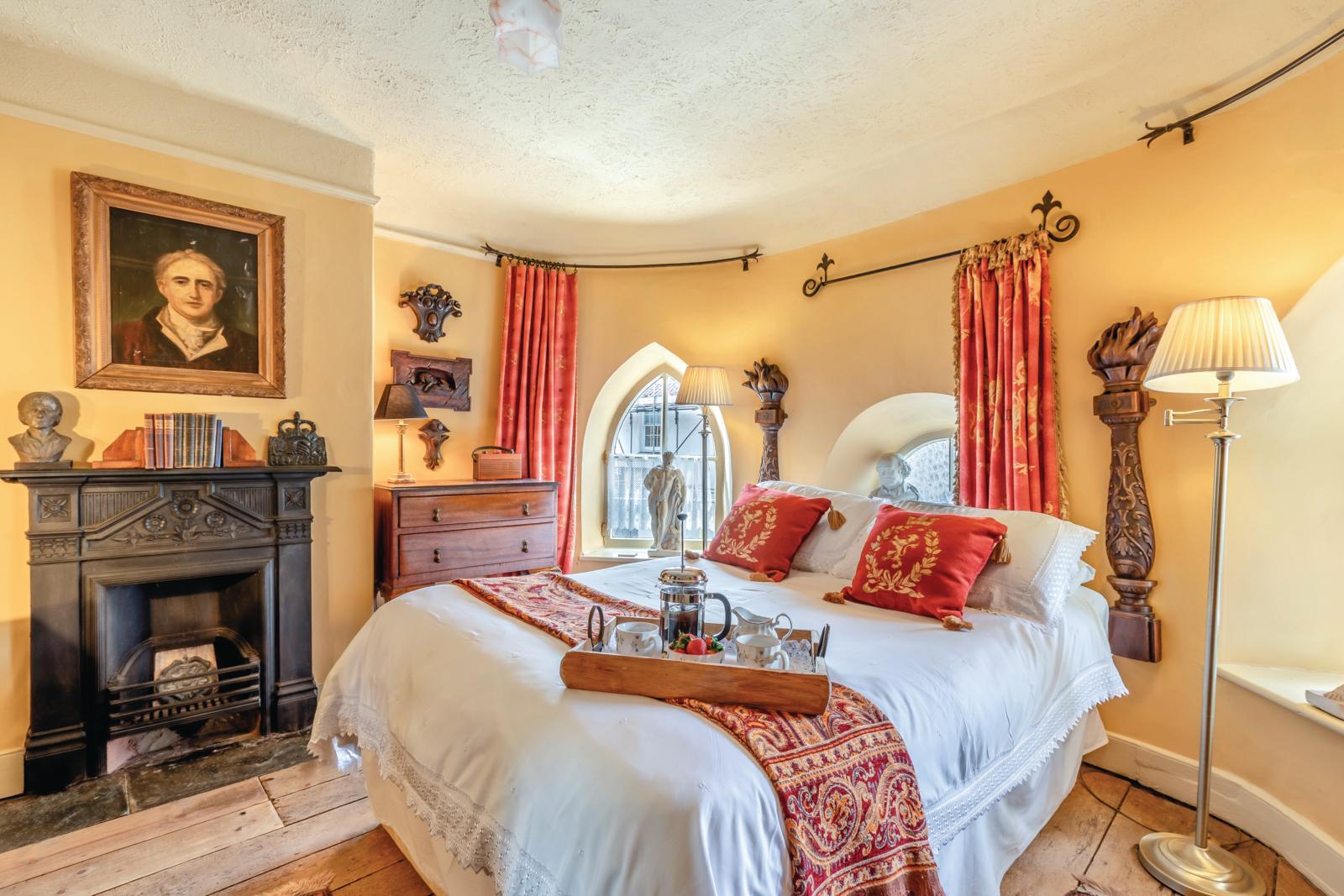
Diane Fellows bought the Toll House in Nether Stowey, Somerset, back in the 1990s. This Grade
II-listed, late 18th-century toll house was, for a time, the local doctors’ surgery, and had already been converted into a simple dwelling when Diane bought it. Considerable work was needed to make it into the historically sympathetic, comfortable holiday let that it is today.
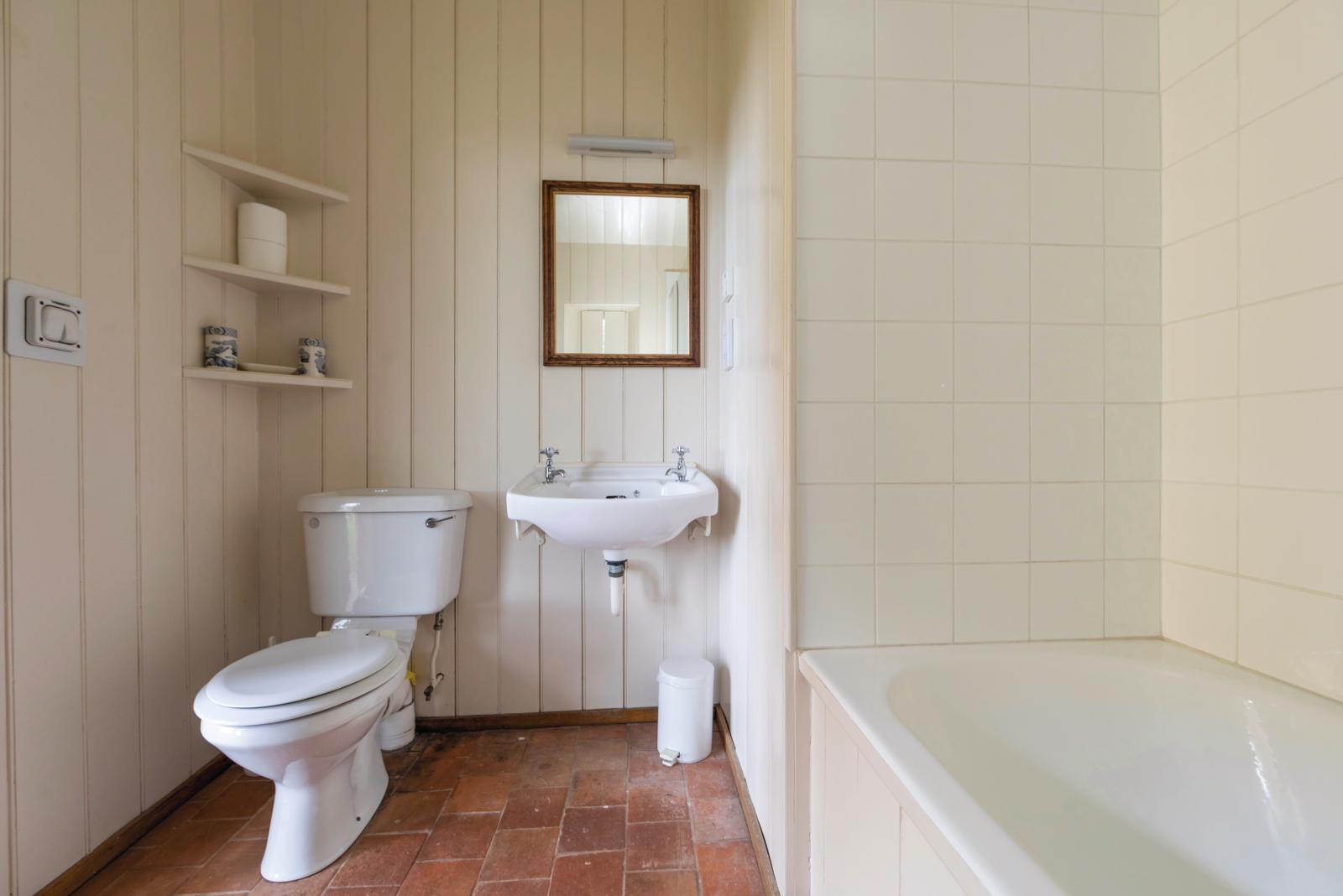
‘Being Grade II-listed, we had to apply for the necessary permissions to bring it in keeping with its history,’ Diane explains. ‘However, its size precluded any major layout changes, so we retained the sitting room and kitchen on the ground floor, with bedroom and bathroom upstairs.’ These renovations included reinstating flagstone flooring on the ground floor, a new bathroom with antique fittings, a hand-built fitted kitchen, and blacksmith-made iron windows.
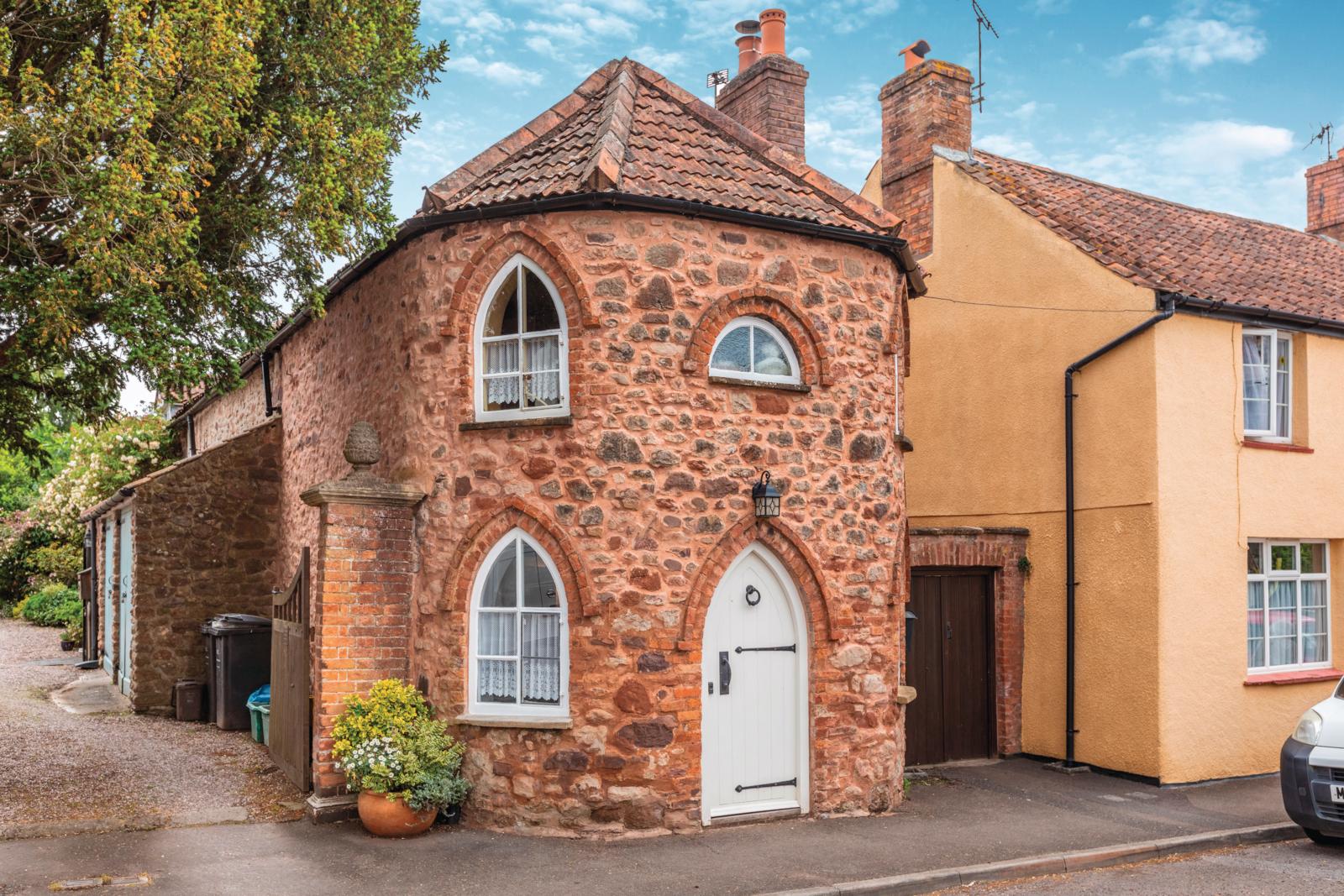
At every turn, decisions were dictated by the building’s historic status, while its small internal footprint had to be taken into account too: ‘Space is at a premium and we had to ensure that every inch was used,’ explains Diane.
As such, the placement of furniture leans into the building’s unique shape. In the sitting room, a dining table for two fits into a snug alcove by the front door, leaving space for comfy chairs and a wall-mounted TV, while the galley kitchen packs slimline fittings and cupboards into its slender footprint, alongside extra storage from wall hooks and recessed shelving on the stairs.
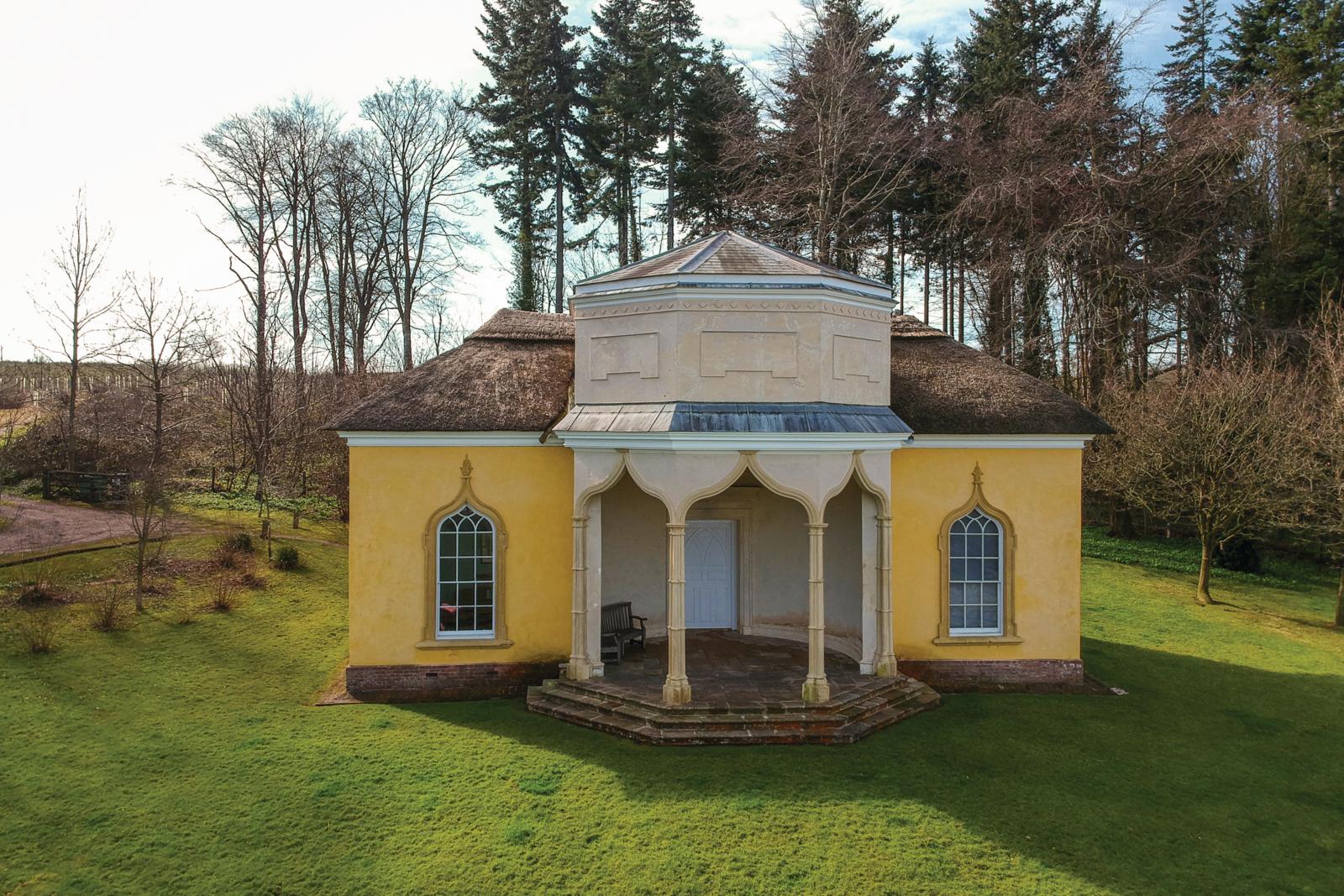
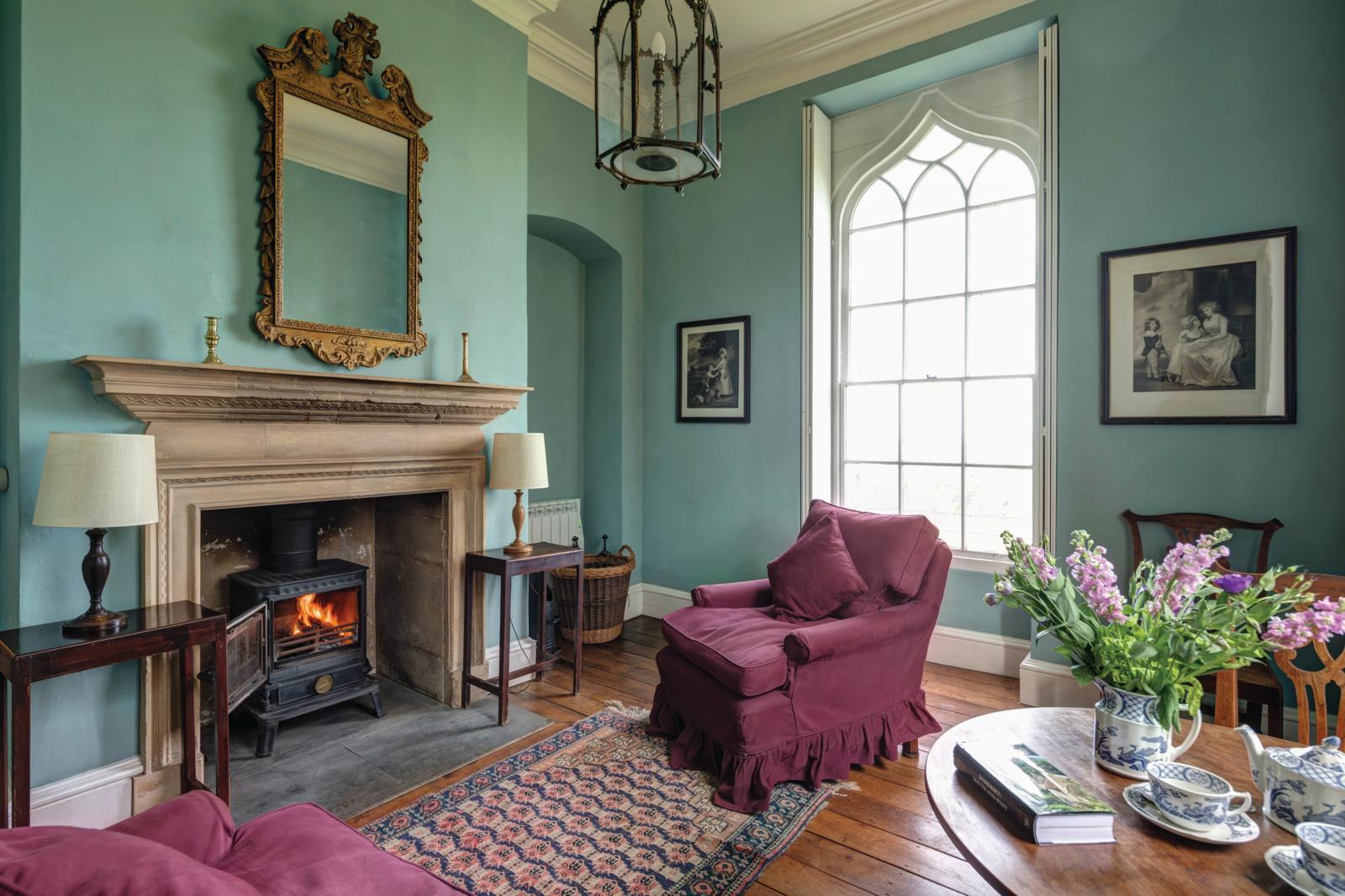
Creative use of space in small or unusual historic buildings is all in a day’s work for The Landmark Trust. The charity rescues historic places, and gives them new life as holiday homes, taking on all sizes and styles of buildings, as long as they’re of architectural or cultural significance, and at some kind of risk (plus in a setting where people will enjoy staying).
Renovating these places brings a unique set of challenges, especially in balancing the need for modern comfort with respect for the building’s original character, and working with sometimes unforeseen obstacles. ‘Historic buildings often surprise us, or reveal unexpected complexities: hidden features, previous alterations, or structural issues that require creative problem-solving and craftsmanship,’ says Jayne Robinson of The Landmark Trust. ‘But it’s this very process of discovery and restoration that makes our work so rewarding.’
Small properties often require the greatest need for creativity. ‘The requirements for any new Landmark are modest,’ explains Jayne. ‘At the very least, there must be a bedroom and bathroom, and a kitchen that, if necessary, can absorb sitting and dining space where no other rooms exist. Sometimes, however, even this proves a challenge.’
For example, at The Landmark Trust’s Robin Hood’s Hut, an ornamental building in Somerset’s Halswell Park estate, there was no interior space available for a bathroom. The solution was to design and build a deliberately rustic hermit’s hut to serve as the bathroom, just a few steps from the bedroom door.
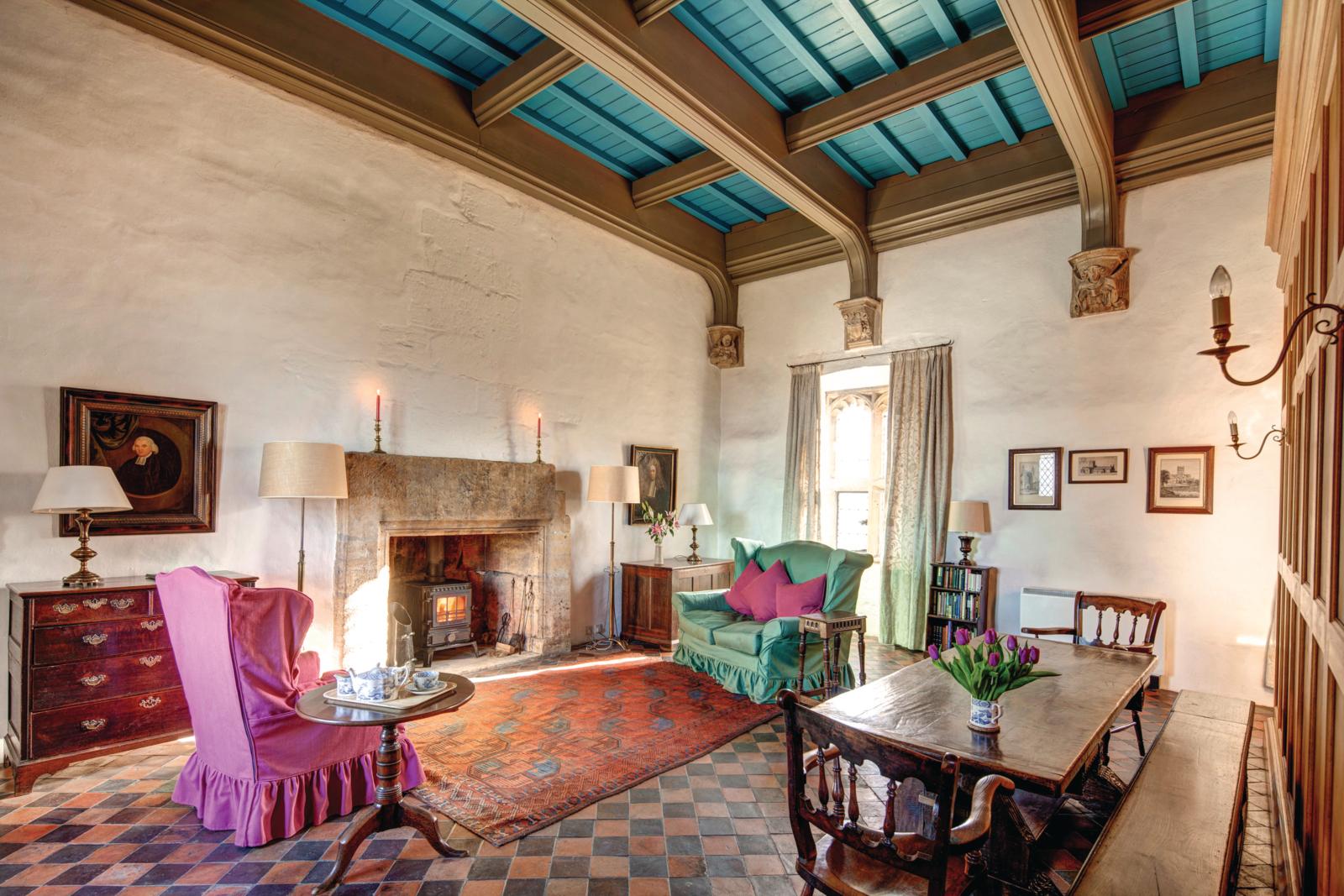
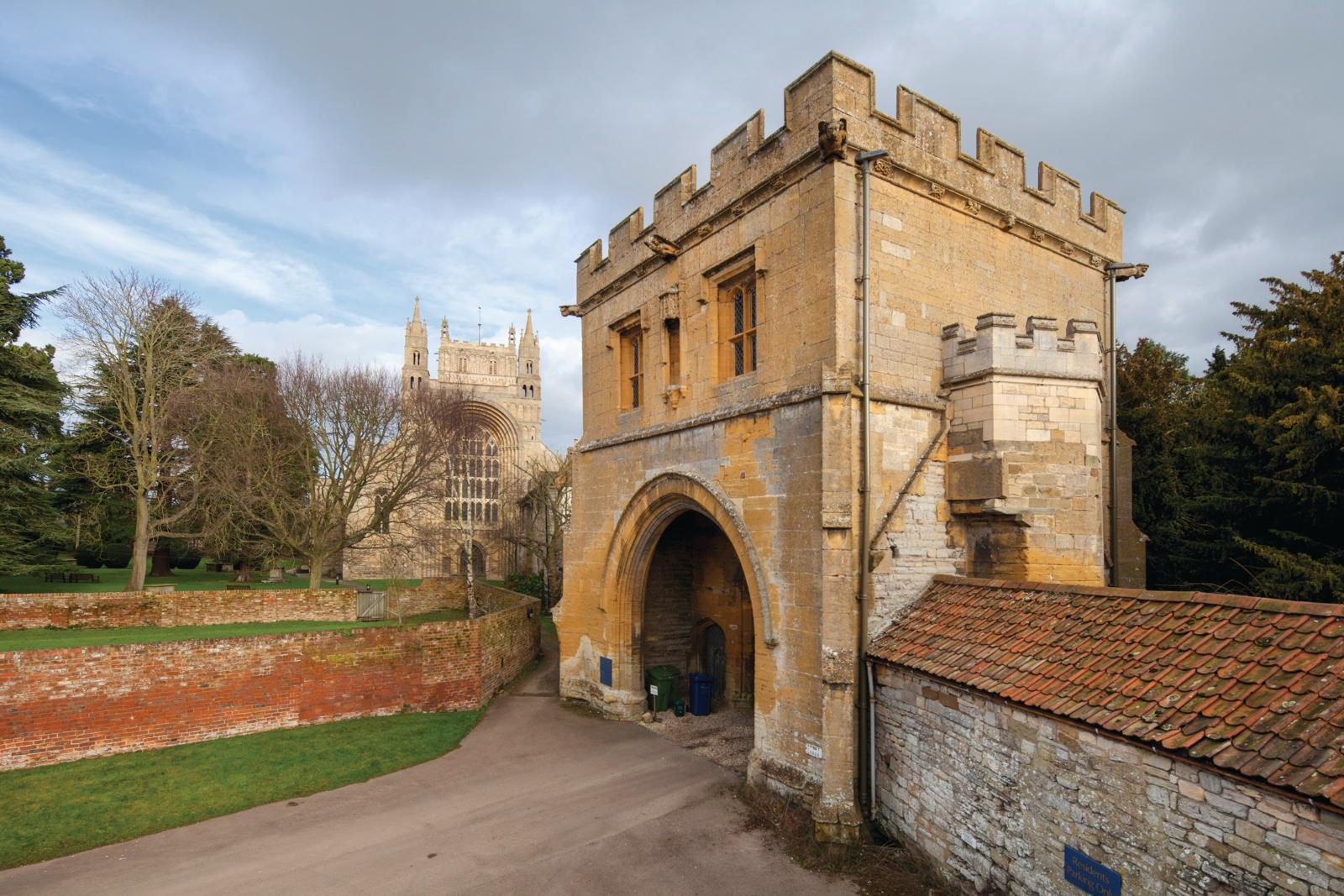
Often, however, interior constraints can be overcome without the need to create additional structures. At Abbey Gatehouse in Gloucestershire, for example, Jayne describes the ingenious solution to a bijou footprint: ‘Everything is arranged within a single space, with a gallery – rather like an organ case – lifting the bed above, while the kitchen and bathroom are discreetly tucked away below.’
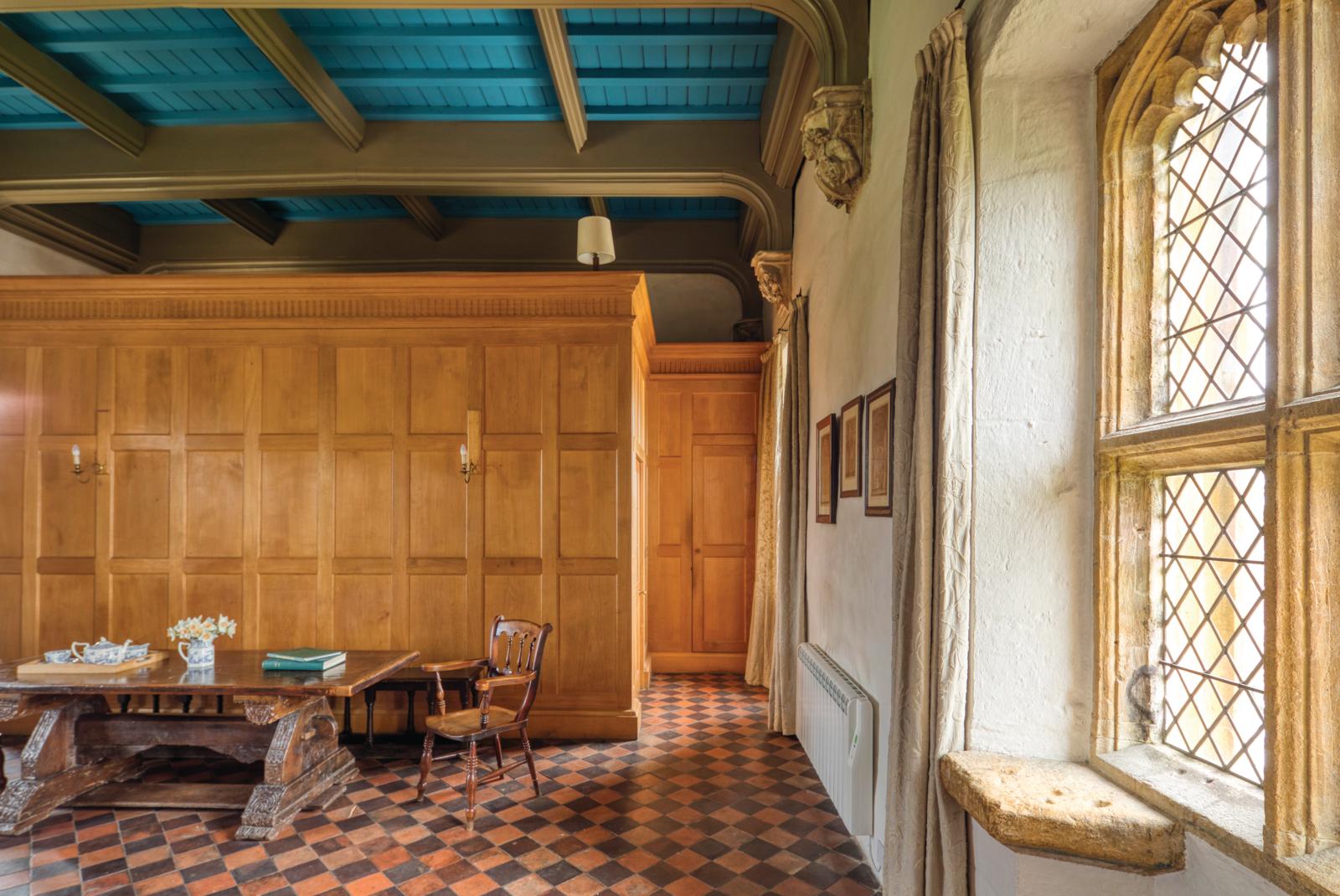
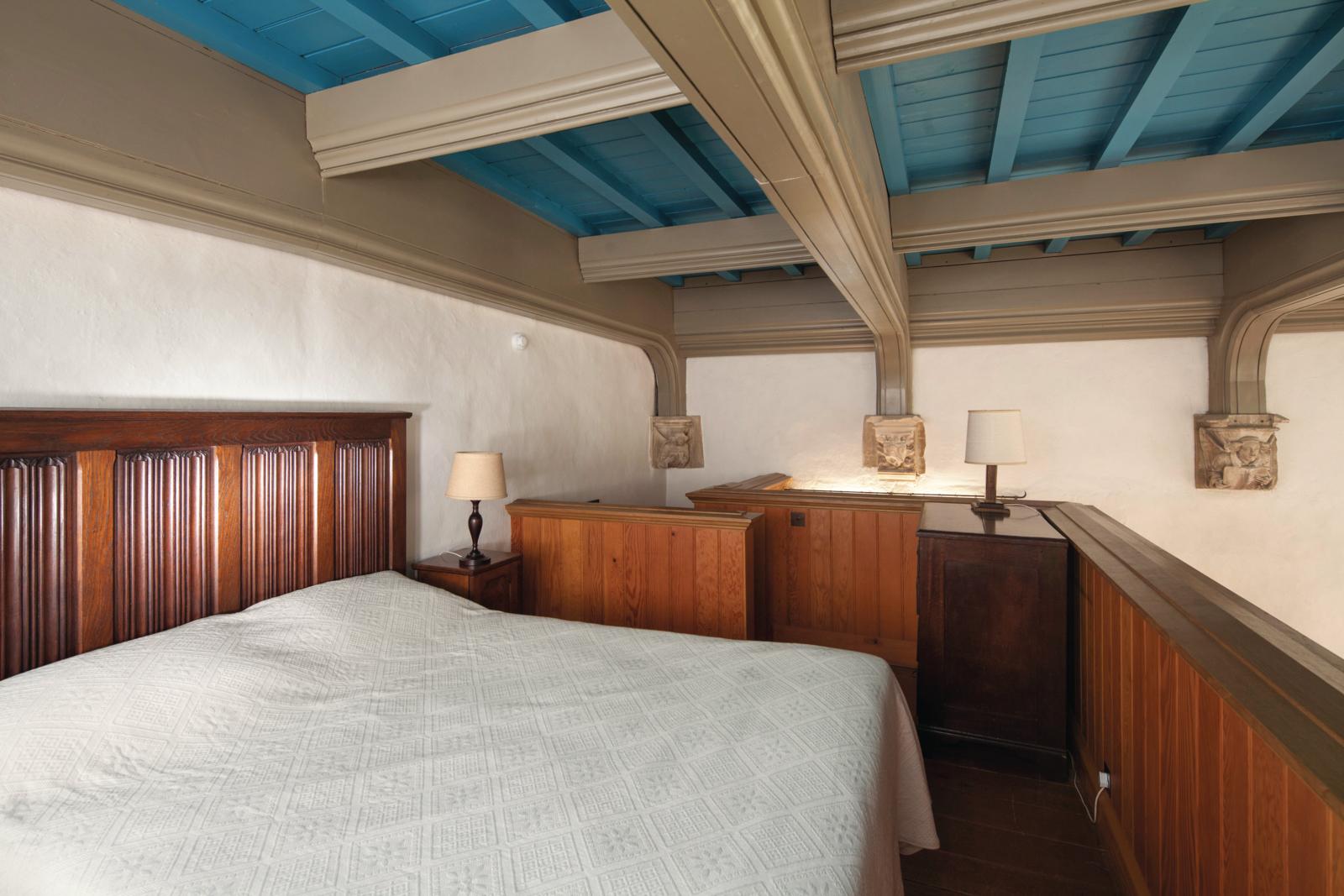
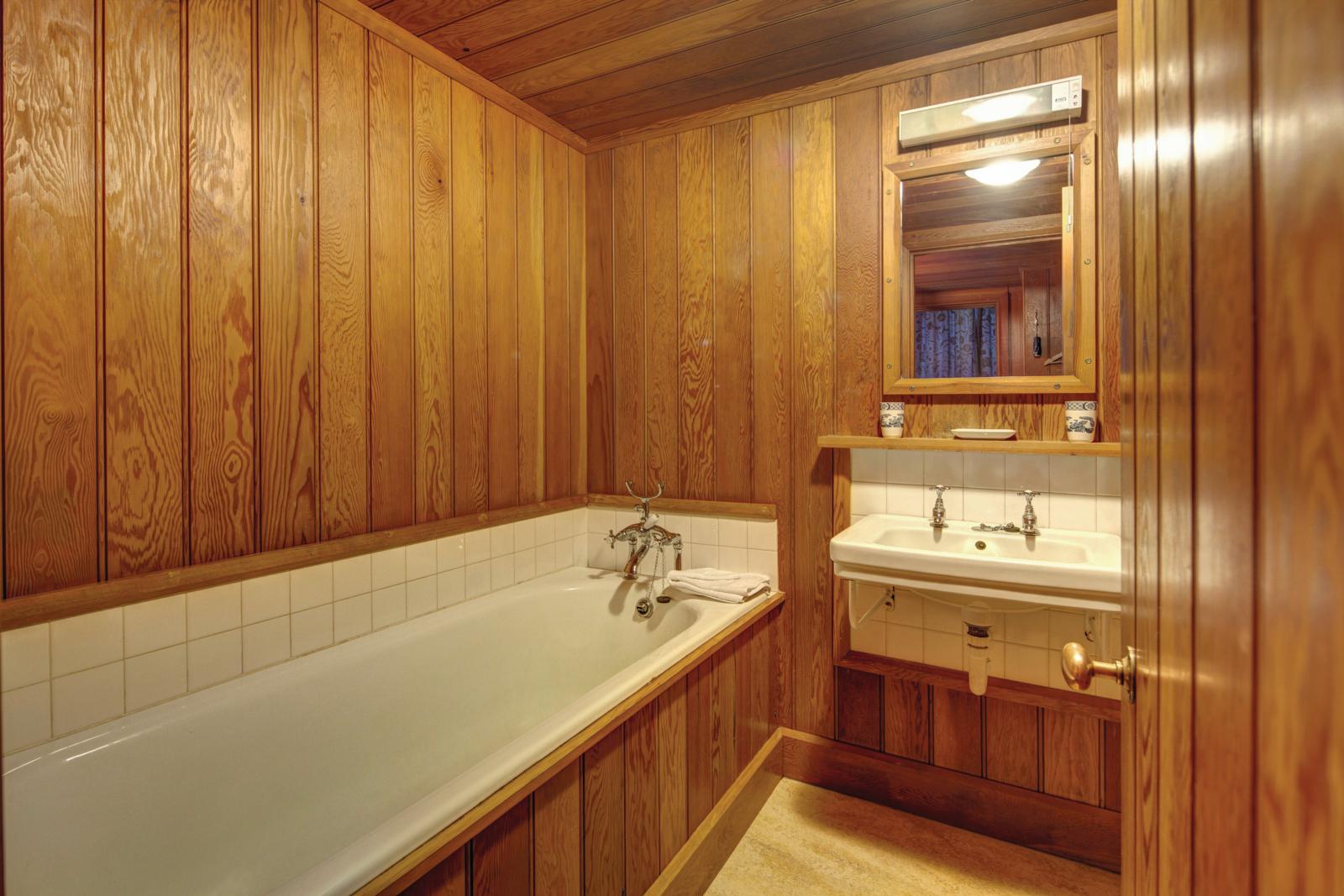
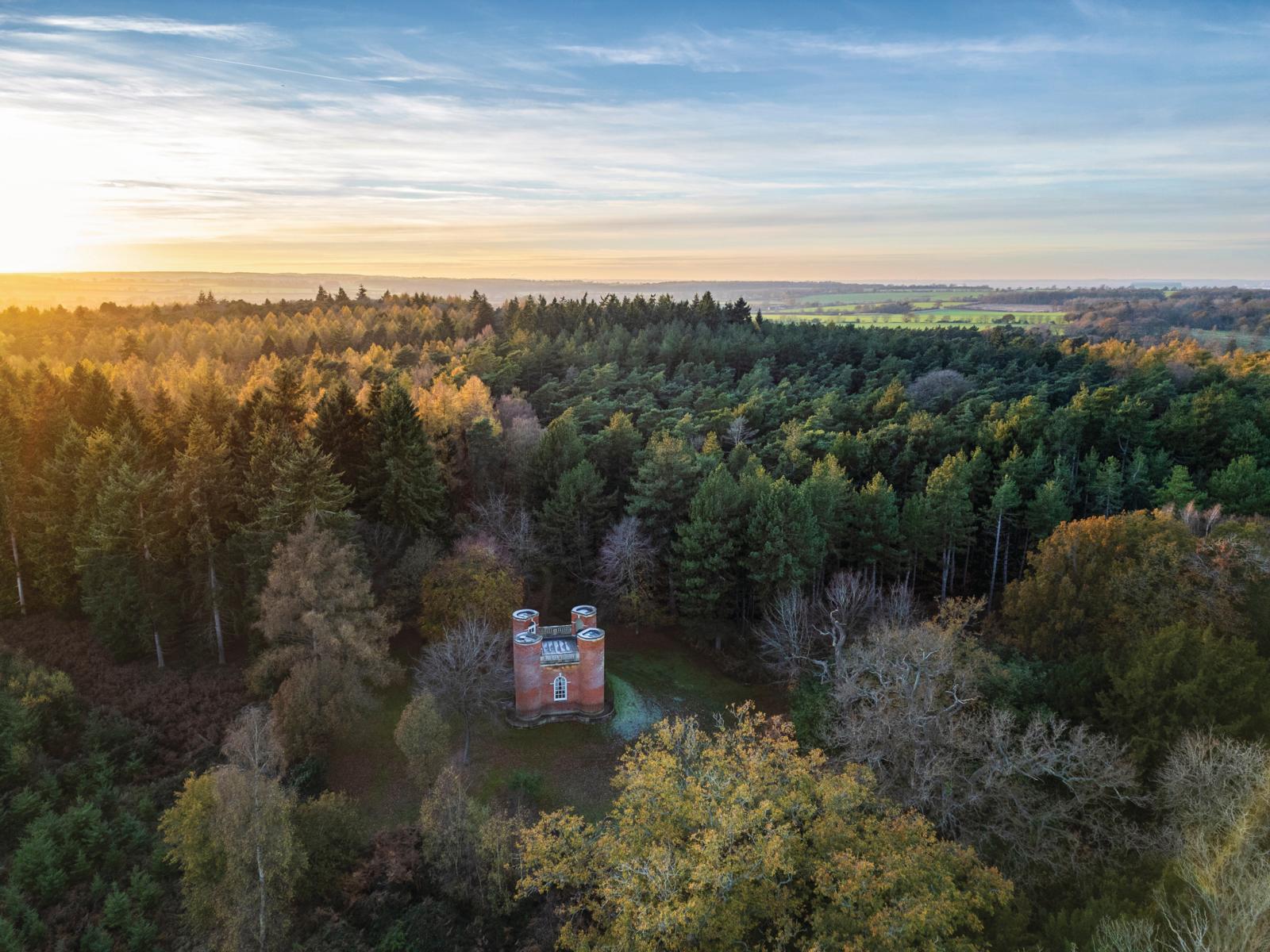
Much work in maximising space is executed by Mark Smitten and his team in the Landmark workshop in the Cotswolds. Here, traditional techniques are used to design and build exquisite solutions, such as the kitchen that fits into one of the corner turrets at Queen Anne’s Summerhouse in Bedfordshire – part of which is cleverly constructed onto the back of the doors.
Giving places like these a new life makes them habitable and meaningful again, and rescuing them from dereliction or destruction saves more than just the bricks and mortar. ‘They are vessels of our shared history,’ says Jayne. ‘Each one carries stories about how people lived, worked and shaped the places we inhabit today. When such buildings fall out of use, we risk losing not only their physical fabric but also the richness of the past they represent. By saving them, we ensure history remains visible, tangible and personal – not confined to books or museums, but encountered in everyday life.’
PLACES TO STAY
Tiny historic holiday homes
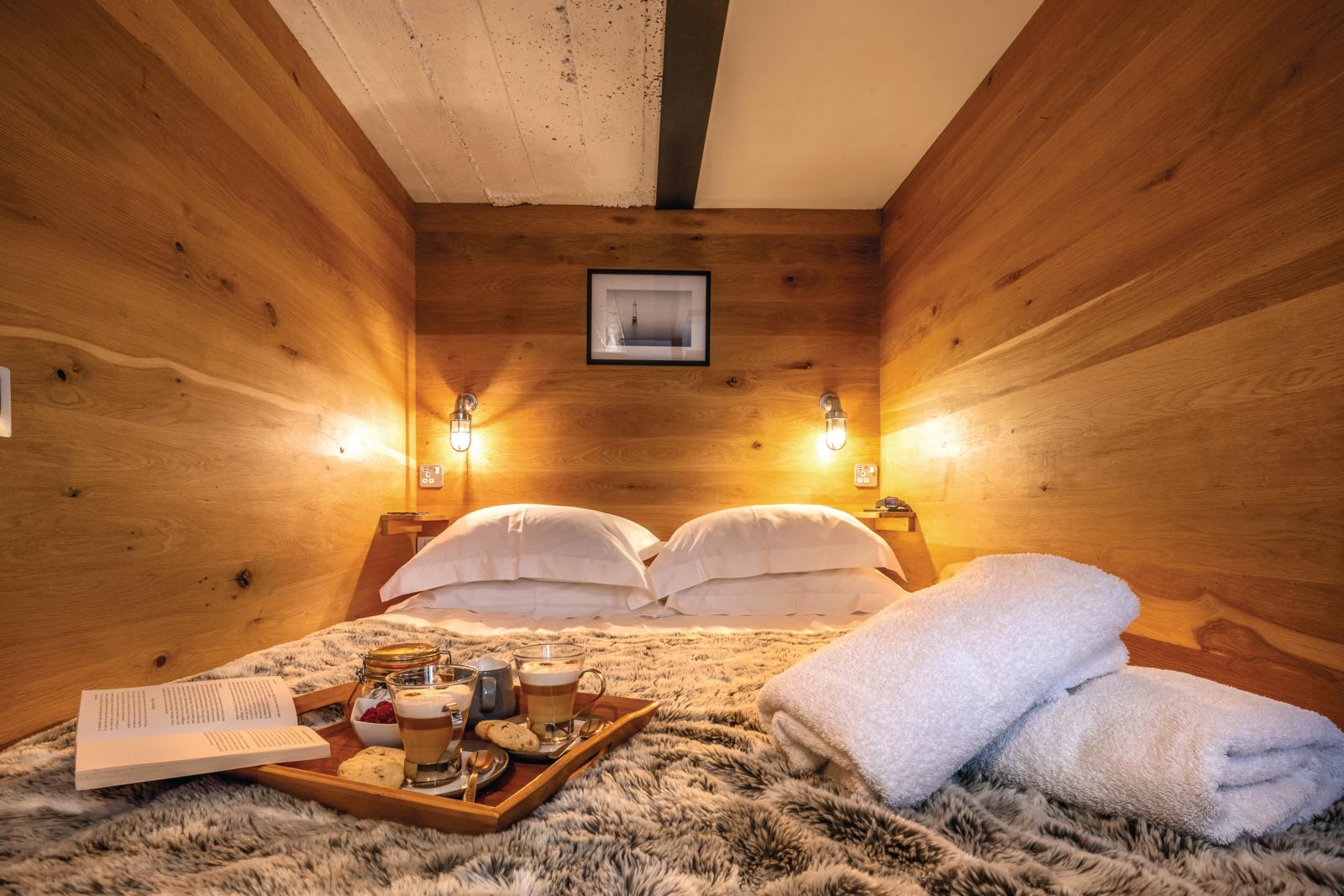
The Gun House, Devon
Panoramic sea views and an inspiring interior are order of the day at this former Second World War guard tower. Once a key part of Shaldon’s coastal defences, it’s now a spectacular hideaway for two.
holidaycottages.co.uk
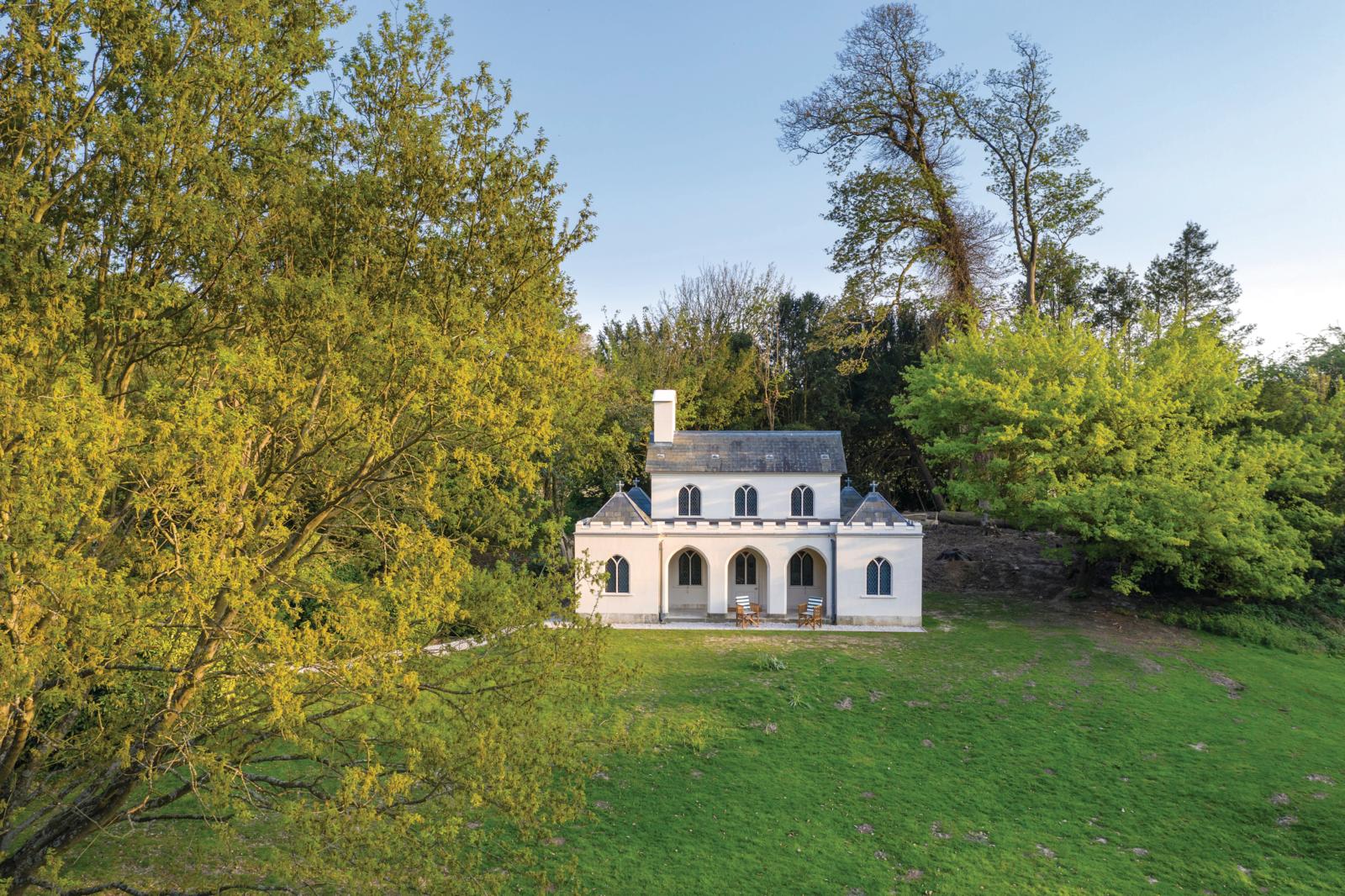
Cobham Dairy, Kent
This Grade II*-listed Gothic revival-style dairy was built in the 18th century, designed to look like a miniature chapel. Today, it’s a lovely retreat for two, with stained-glass windows and underfloor heating.
landmarktrust.org.uk
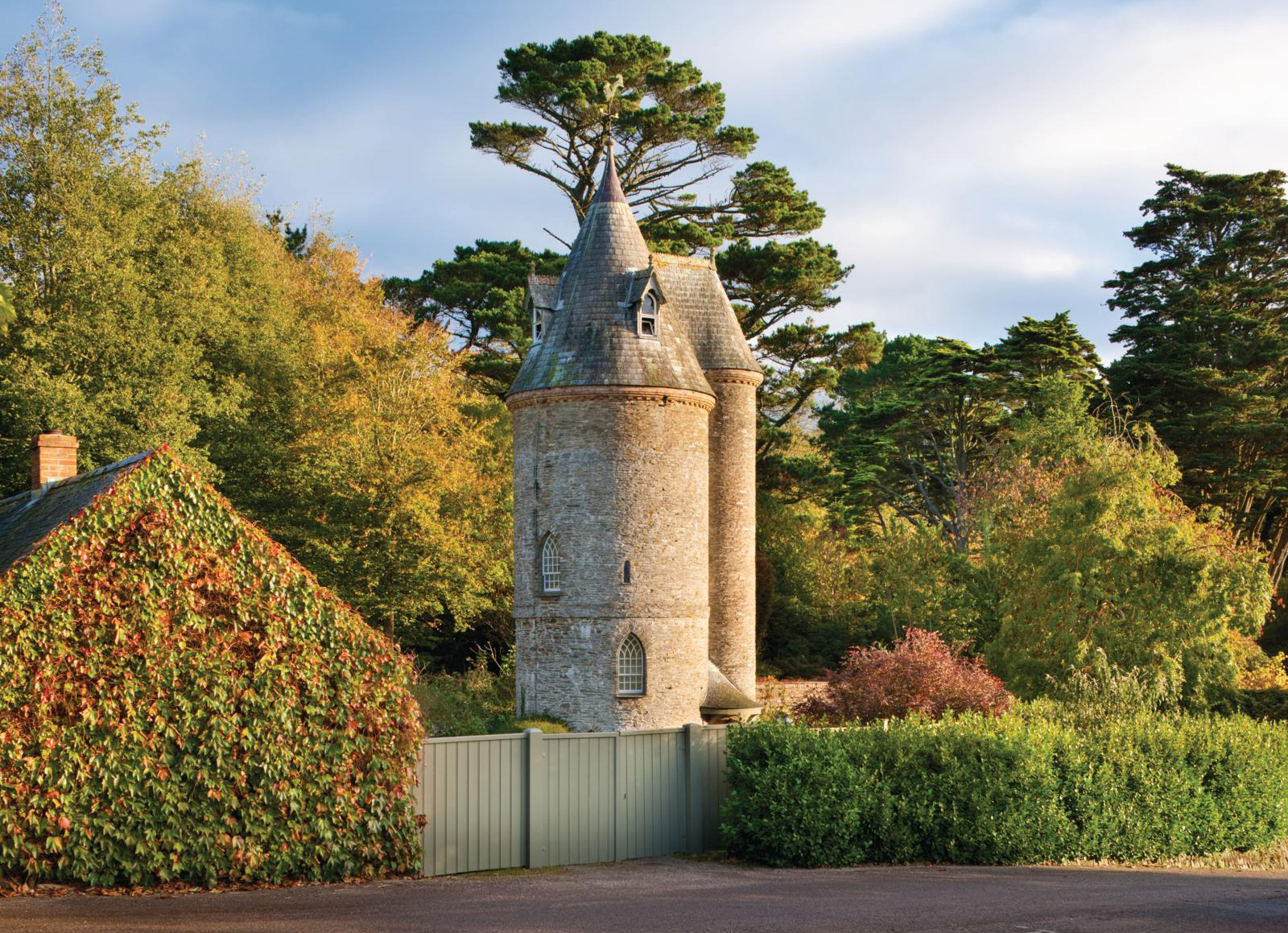
Trelissick Water Tower, Cornwall
A picture-perfect Rapunzel-esque structure dating back to the 1860s, this water tower is a great example of the Victorian obsession for embellishing utilitarian buildings, with its Gothic-style windows and conical roof. nationaltrust.org.uk
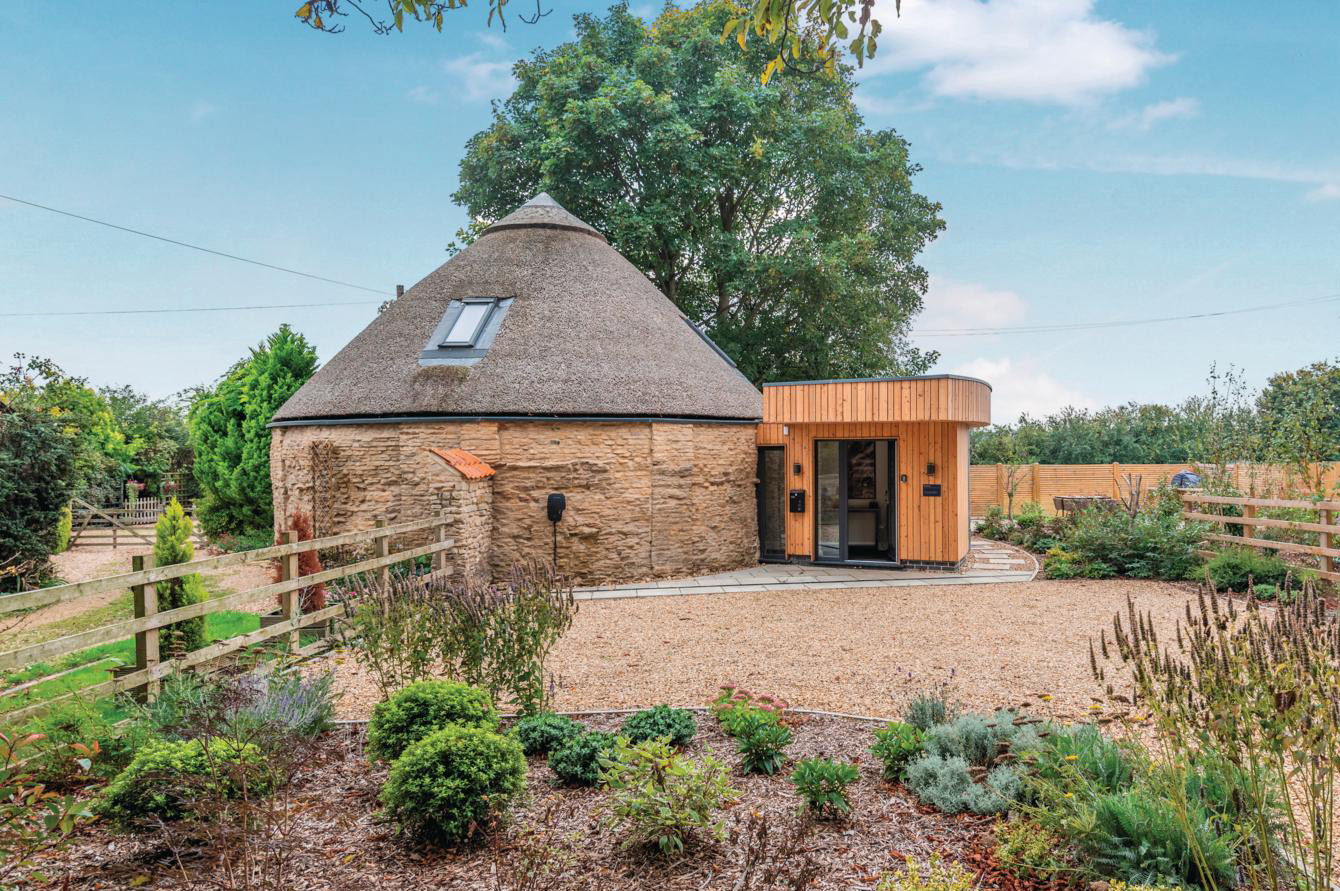
Horse Gin, Lincolnshire
Step back in time at this former horse gin (designed to house an animal-powered farm machine). The circular stone building has been transformed into an open-plan living, dining and sleeping space for two. holidaycottages.co.uk
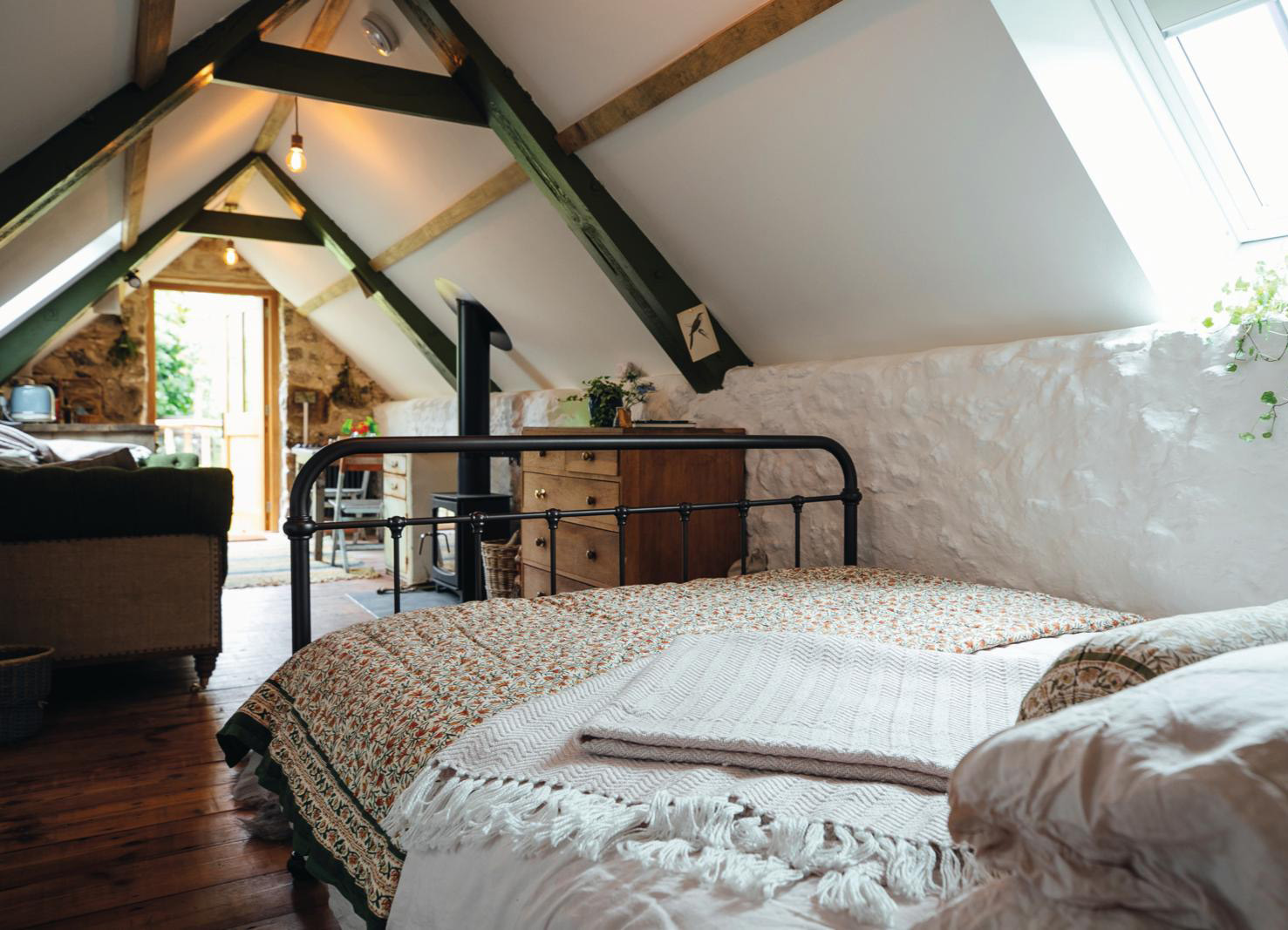
Southcombe Piggery, Devon
It’s hard to imagine a more romantic spot among the wildflowers of Dartmoor. This former farm building enjoys a compact, rustic-chic living space, plus a hillside sauna, outdoor baths and star-filled views. canopyandstars.co.uk
SAVING SPACE
Easy ways to maximise smaller rooms
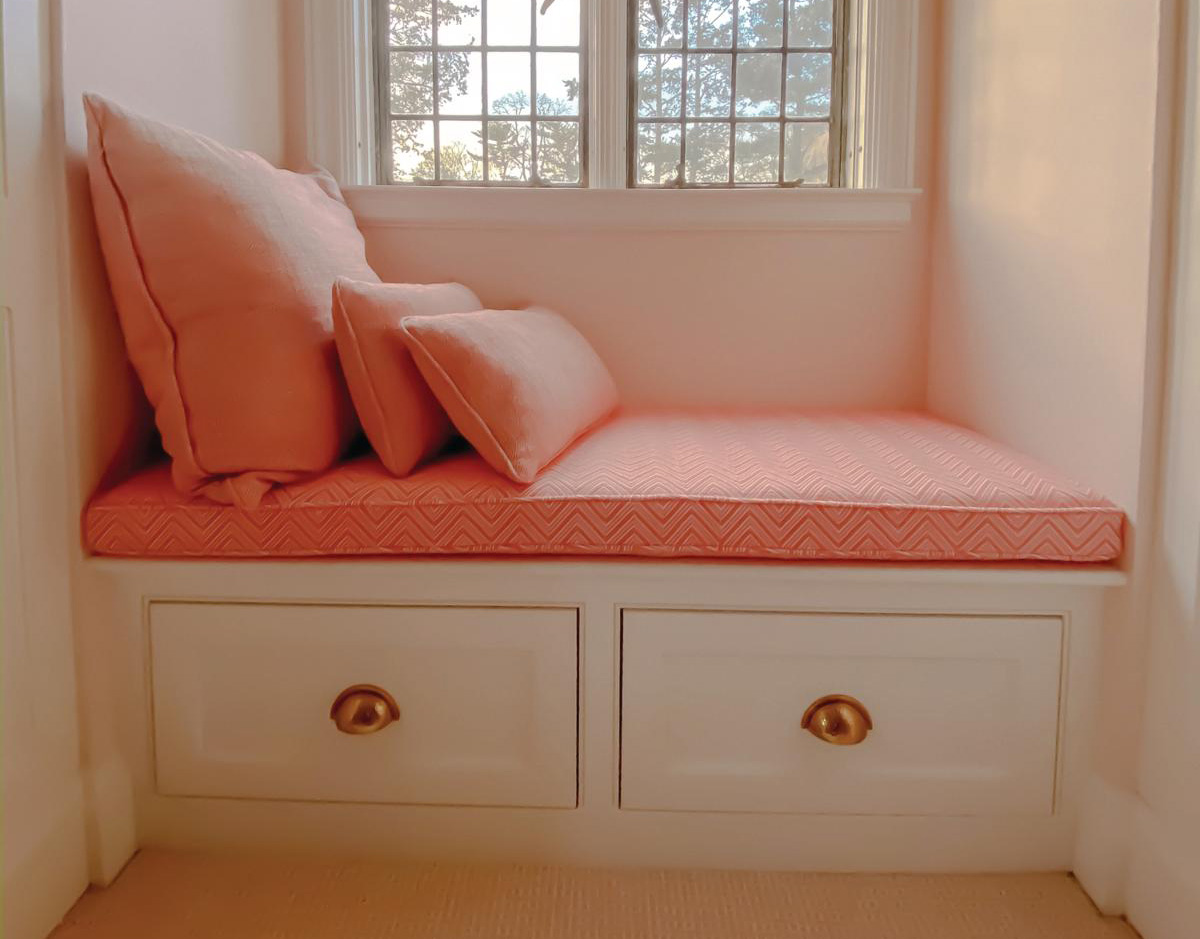
Multi-functional furniture
Multi-use design can go a long way in making the most of your space – storage benches, beds and ottomans can introduce capacious hidden storage solutions, while folding or extendable tables make for versatile dining.
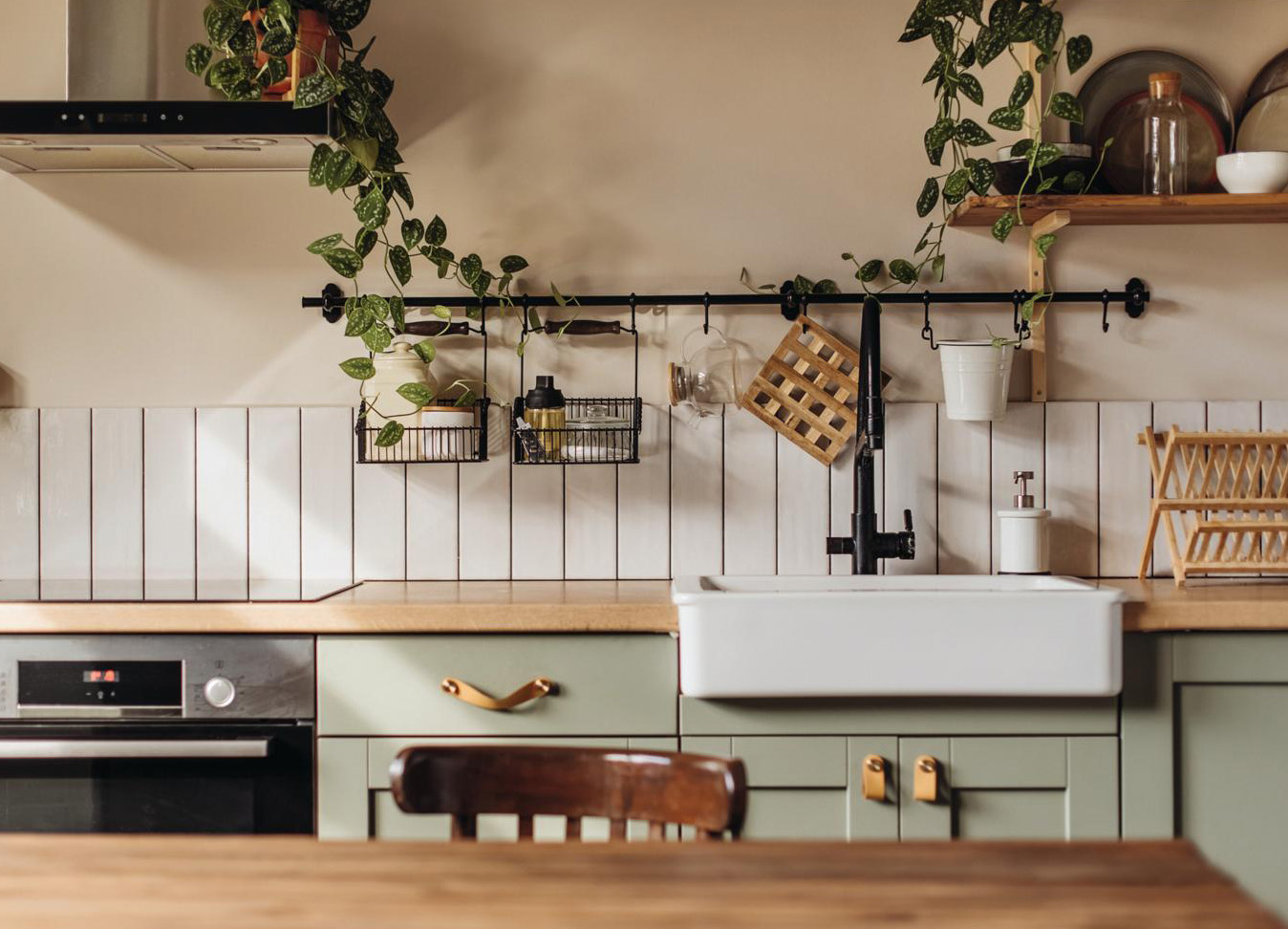
Hooks and rails
In kitchens, make the most of hanging space – rails and hooks can store pans and utensils without taking up valuable cupboard space.
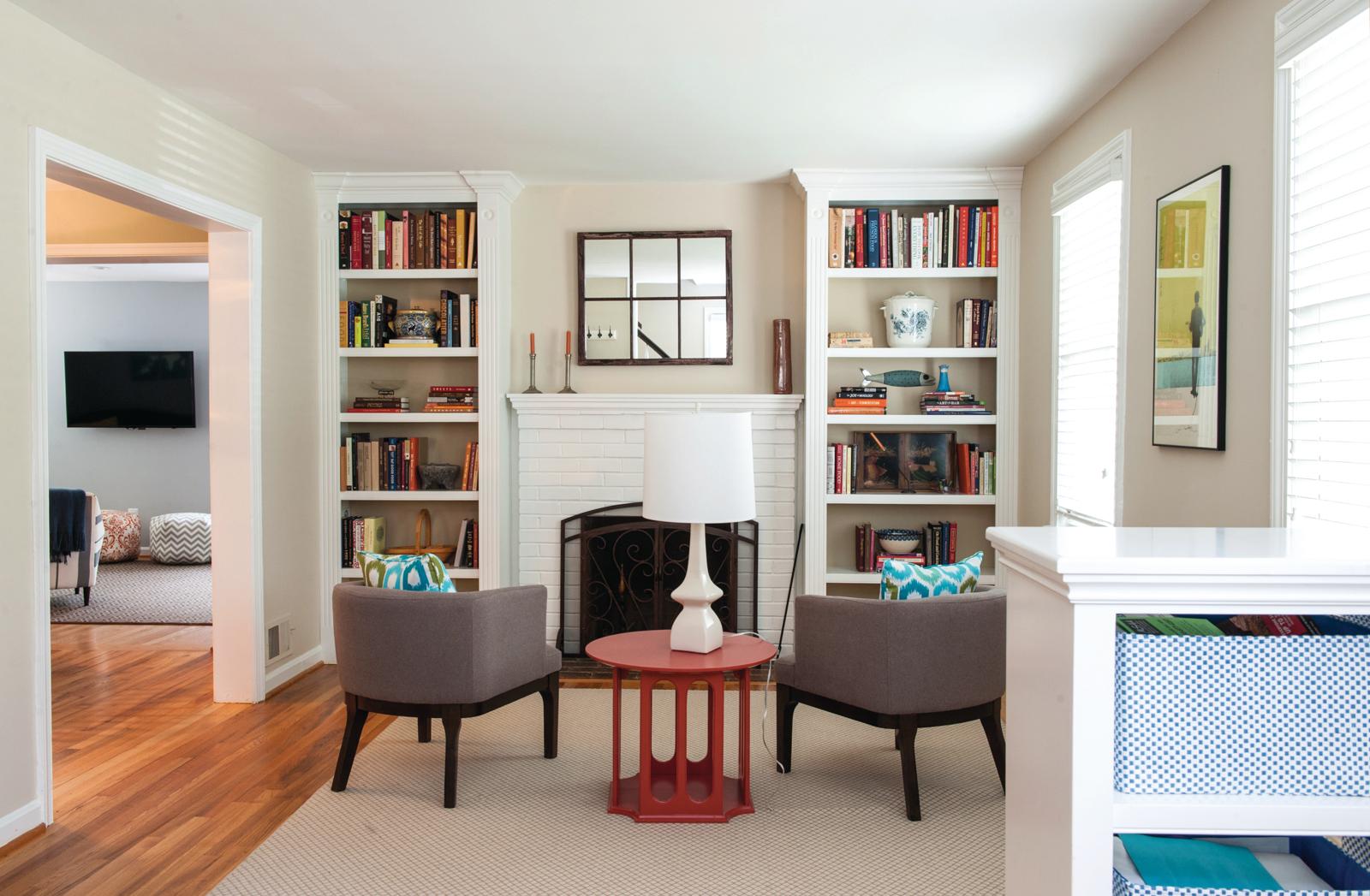
Vertical spaces
In the same vein, making the most of vertical spaces helps to keep floors clear, and uses otherwise redundant space, so shelving, hooks and hanging storage for walls are worth working into your room plan.
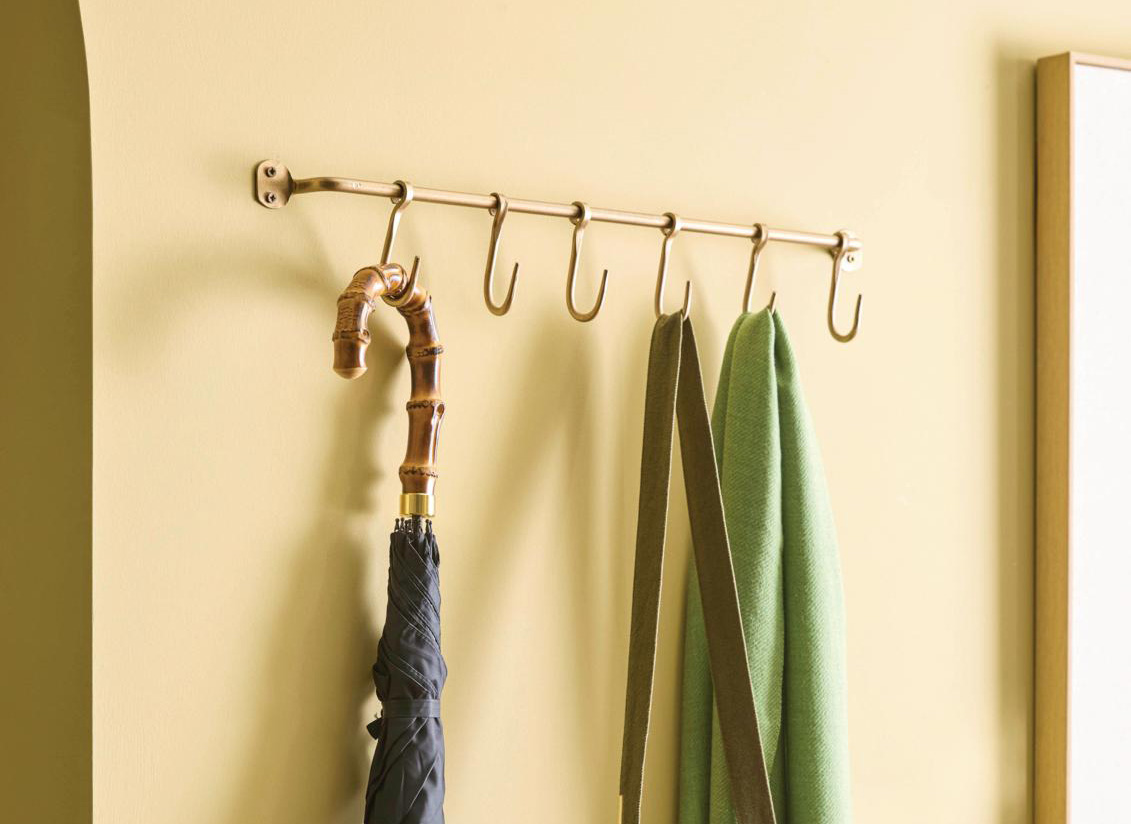
Maximise cupboard space
Take advantage of your cupboards’ full capacity by using the backs of doors – hooks, racks or hanging baskets can increase storage dramatically. Just be wary of weight and check your clearance before installing.
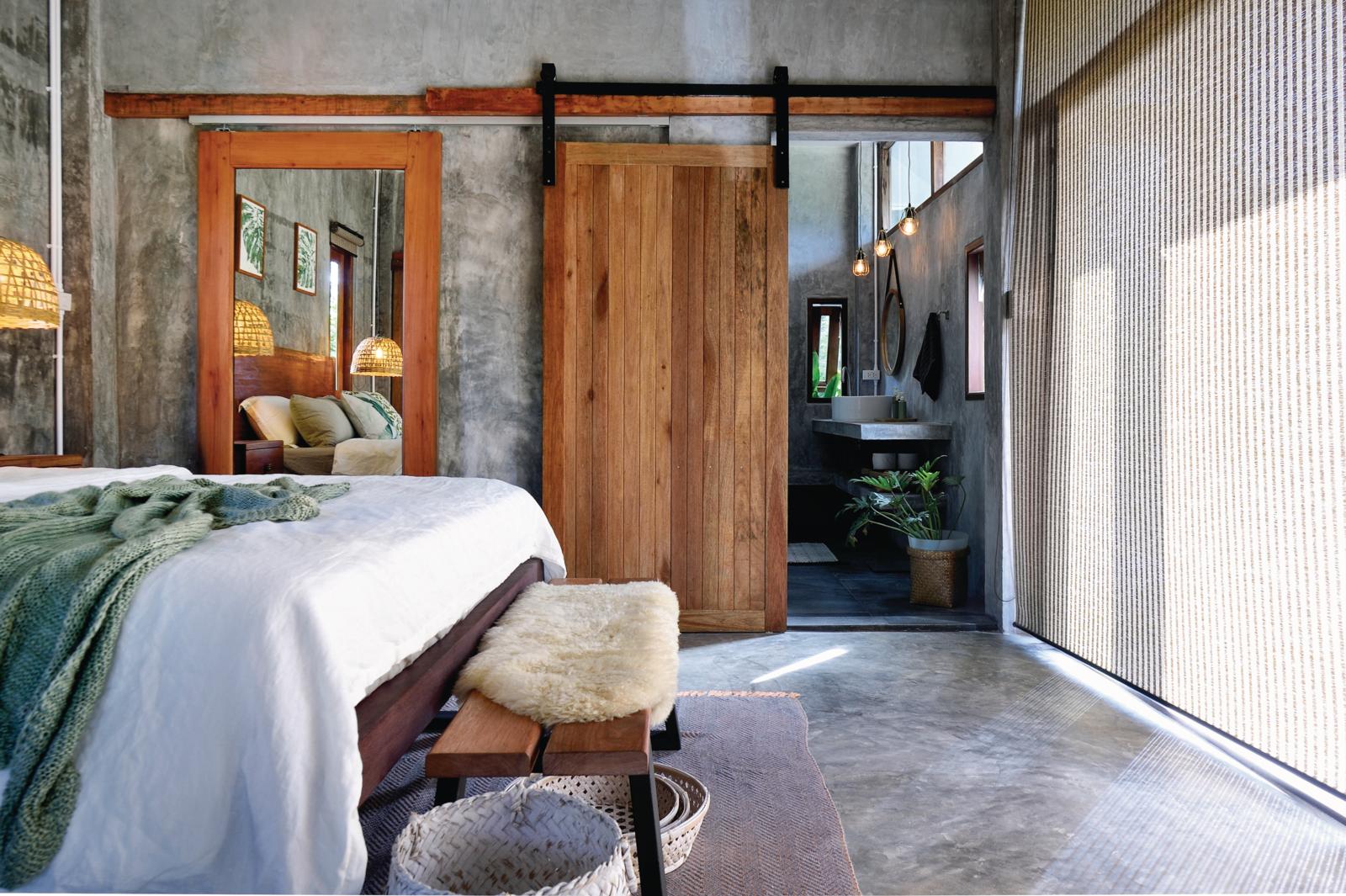
Sliding doors
Sliding or pocket doors don’t require the floor space of hinged doors, as they have no need for clearance to swing open. They make for an effective room divider when space is at a premium.


