
Every respectable household once had a dining room. ‘Now they’ve often been turned into offices or playrooms. Meals are eaten in the kitchen, or balanced on laps in front of the TV,’ remarks Alex Butcher, silver specialist at Anderson & Garland.
The retreat from formal dining has brought with it the demise of accoutrements such as sauceboats, fish knives and napkin rings that once elevated eating into an event. Apart from its annual outing on Christmas Day, much antique tableware is destined to live in a display cabinet – or a box in the attic – rather than gracing the table.
Many of these grand old survivors are made of silver, continues Alex, which is putting them at risk of destruction. Silver prices hit record highs in early 2026, before softening. As this article goes to press, silver is still commanding prices more than twice those seen in early 2025. Vast quantities of antique silver tableware are being sold for their melt value, thinks Alex.
Collectors are only willing to pay a premium for the rarest and most desirable pieces. It’s a fate that would have made Victorian silversmiths weep into their (highly ornate) tankards. ‘At auction, a large silver tray, even bent in two with the handles missing, can make £8,000 on weight alone’, he explains. ‘The scrap value of a single piece of solid silver cutlery can be hundreds of pounds. As a result, much of our heritage is being lost, melted down for money.’
Silver or not, to modern eyes, some of these objects look baffling – yet in their day each had a precise role at the table. Unravelling their histories helps us understand how people once ate and lived.
The experts



Alex Butcher, Diane Sinnott (20th century design specialist at Tennants Auctioneers) and Harriet Lusty (open house head of department at Sworders) spoke to Homes & Antiques about what makes antique tableware so fascinating. Together, they transport us to a lost era of fine dining, replete with candlelight, sparkling crystal and ceremony.
The pickle fork
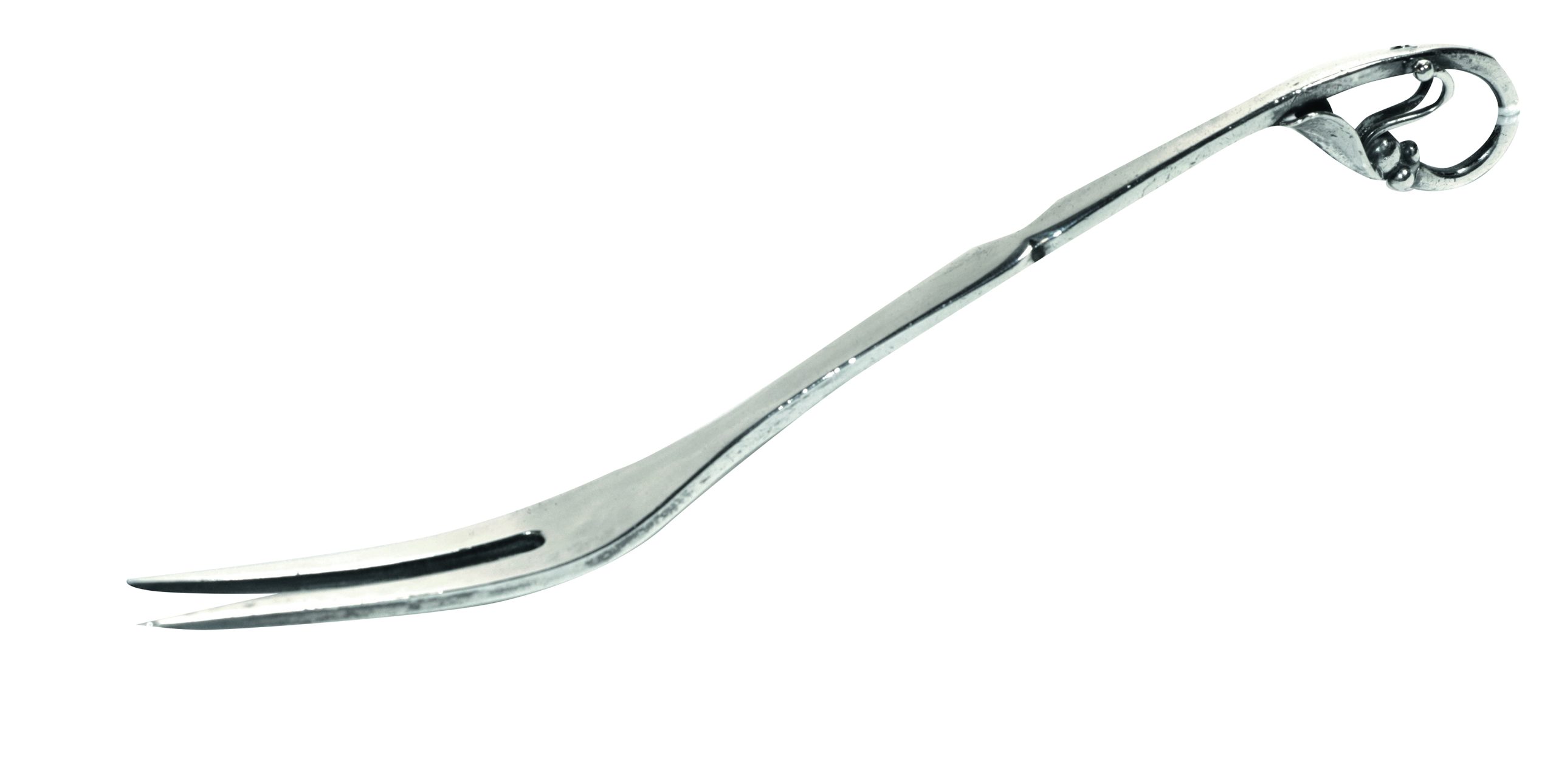
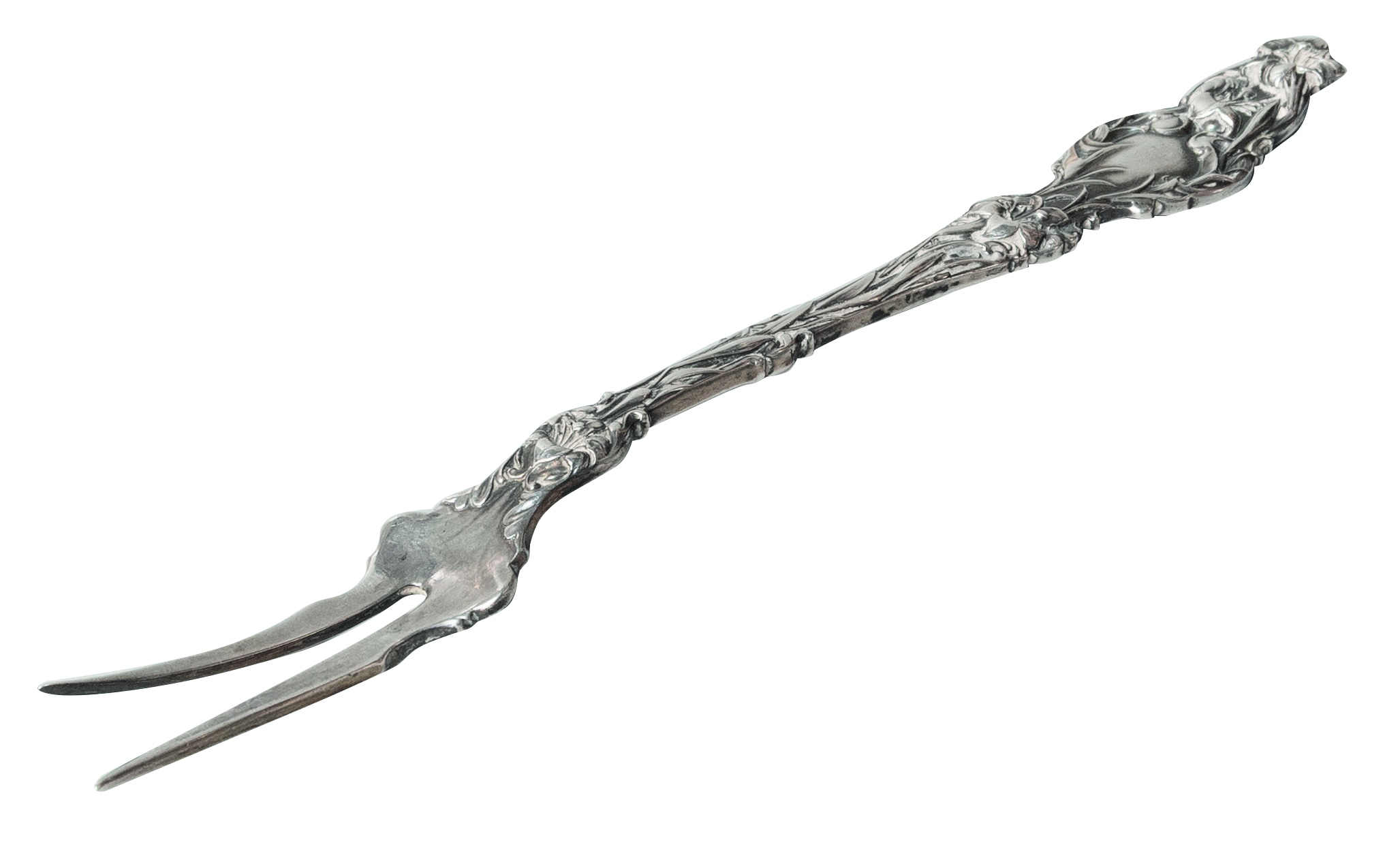
Harriet Lusty: ‘In centuries past, everyone and everything had a place in society. There was a correct way of doing things. Following this line of thought, there were correct forks for specific foods. Long pickle forks were used for lifting slippery pickles out of tall jars – their elongated prongs and handles were designed to make public pickle removal as elegant a process as possible, and took away the risk of touching the food with one’s fingers (a huge social faux pas).
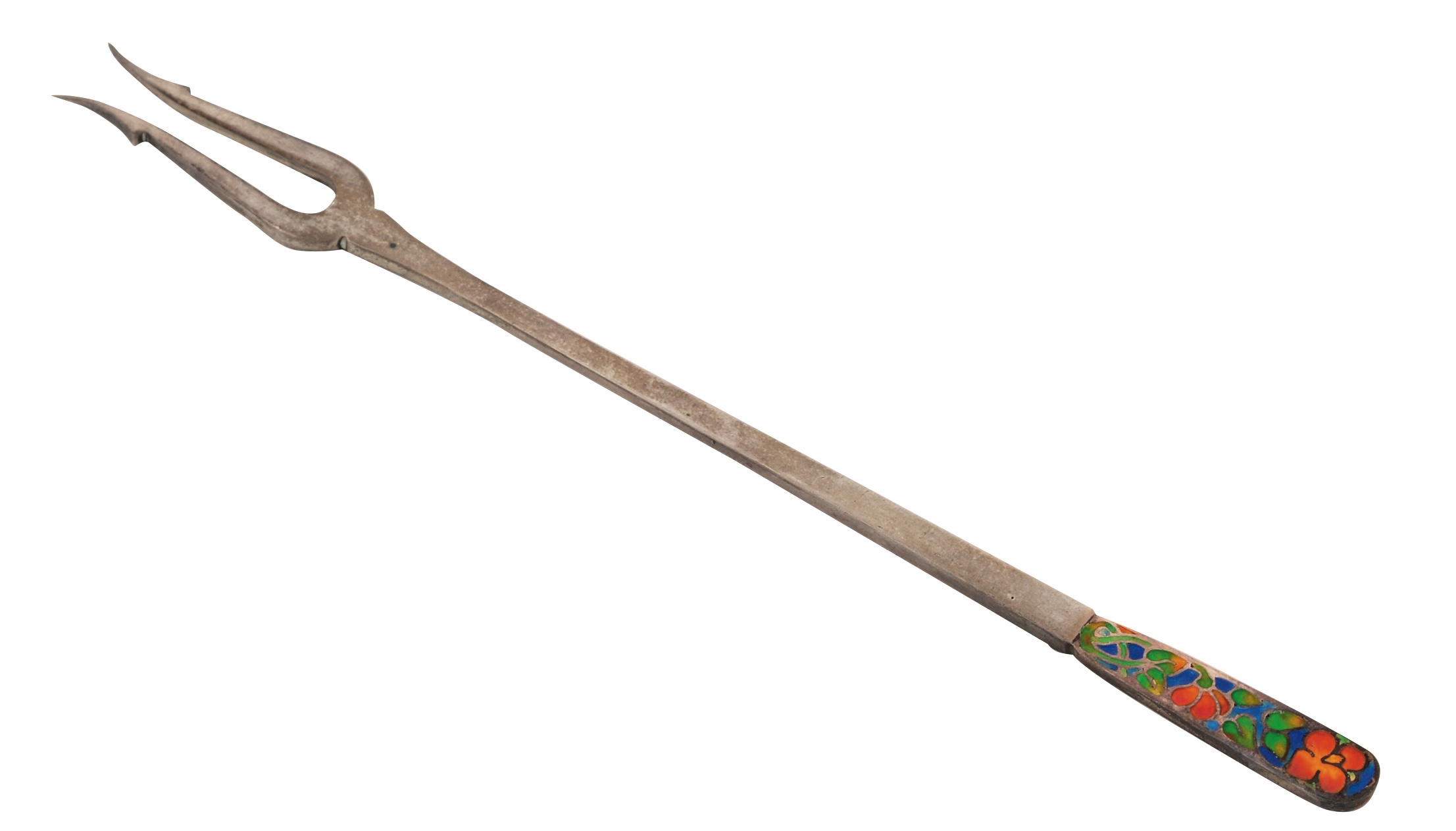
In the 19th century, ownership bestowed bragging rights (‘look at me, my cutlery canteen even includes a matching pickle fork!’) but they’re largely obsolete now. The price they achieve at auction is mainly determined by the silver content.’
The mustard pot
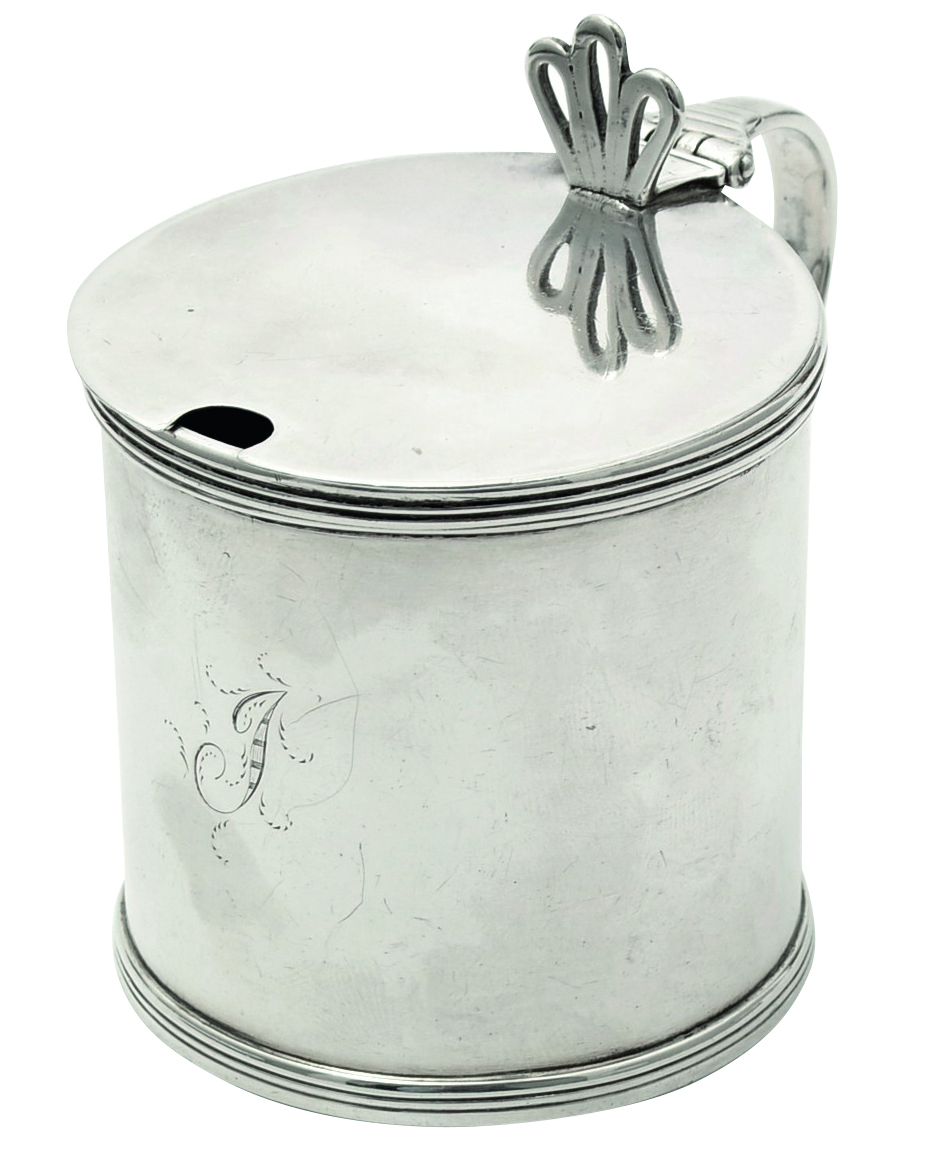
Alex Butcher: ‘We know our ancestors enjoyed a variety of condiments. Georgian condiment stands had multiple cut-glass bottles and lidded silver containers for the different sauces, oils and seasonings that were served at the table. But we come across a lot of little mustard pots at auction. In the past, mustard was retailed as a powder, which had to be mixed into a paste in the kitchen. It was then transferred into a dainty silver pot to be served at the table.
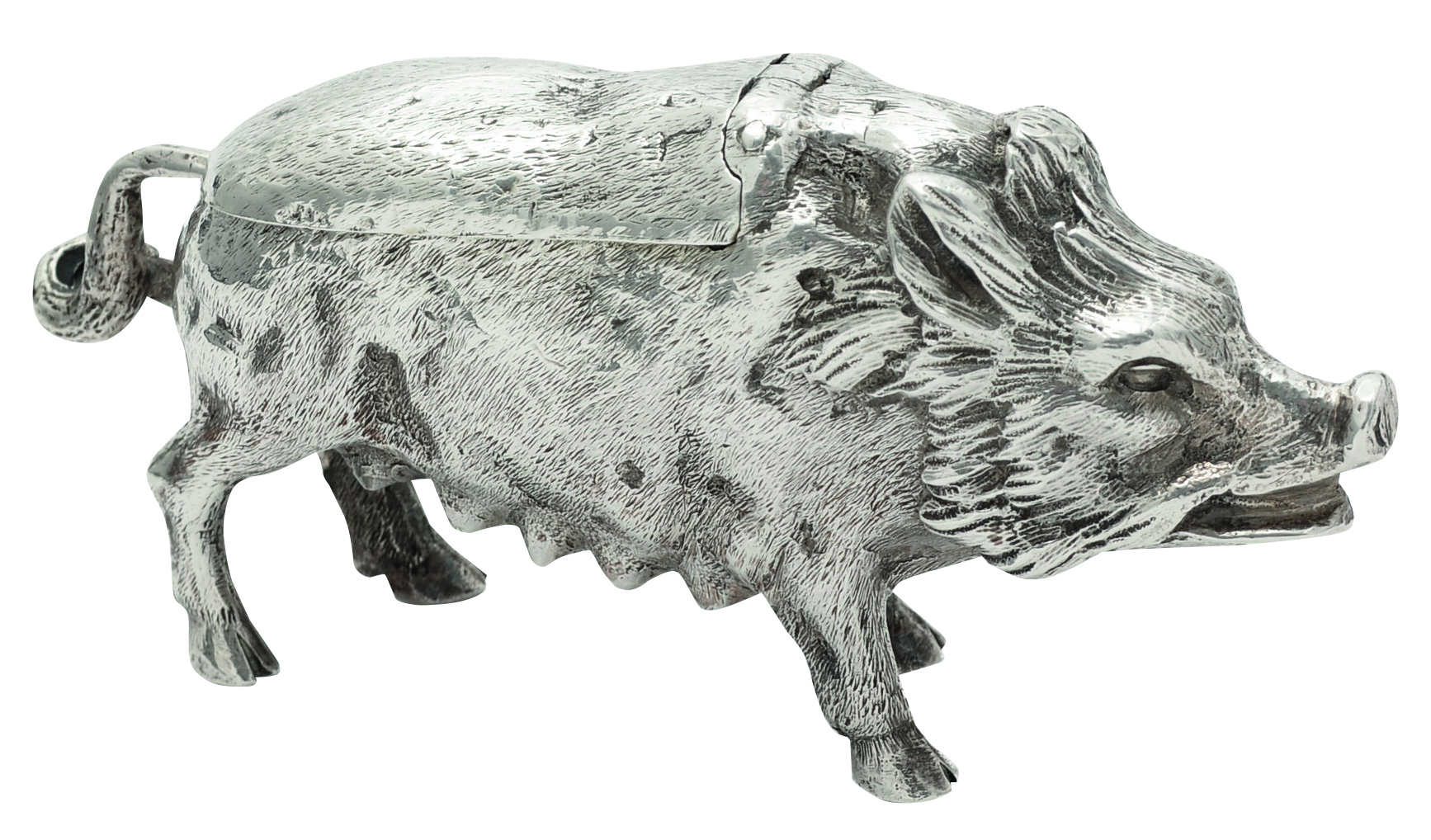
‘But why so many mustard pots? Was mustard the nation’s favourite? Possibly. British food has a reputation for being bland, and mustard would certainly have helped disguise that. And, of course, we are famous for loving our roast beef.
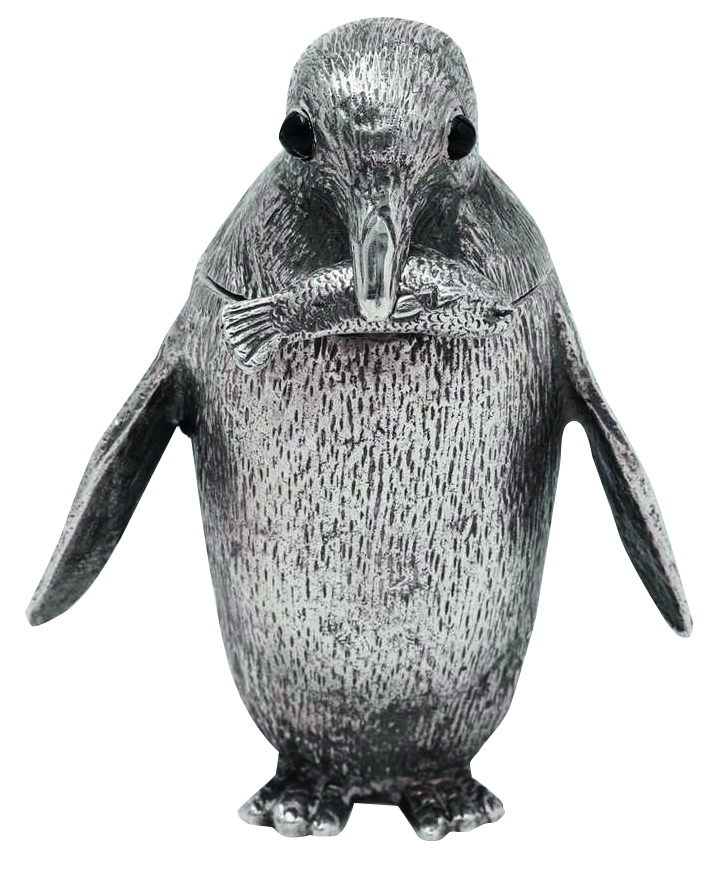
Today, the very ornate, fussy Victorian examples no longer perform especially well at auction. But pots from popular design movements – such as Art Nouveau – or novelty mustards in the form of penguins, pigs or other amusing creatures find more eager buyers, at £100 and up, partly depending on the silver content. They’re more likely to be used as decorative objects, but there’s no reason they couldn’t still be pressed into service at the table, even for something less expected, like Chinese hot chilli sauce.’
The cheese scoop
Alex Butcher: ‘After dinner in the Victorian era, a whole wheel of Stilton, weighing several pounds, and eight or more inches high, would be brought to the table. It might be mounted on a special cheese coaster called a truckle – a curved wooden board, sometimes with wheels so it could trundle between guests. Rather than slicing off a piece, guests scooped out a mound to enjoy with their port and crackers. It turned a simple task into a fun activity – everyone digging into the cheese together.
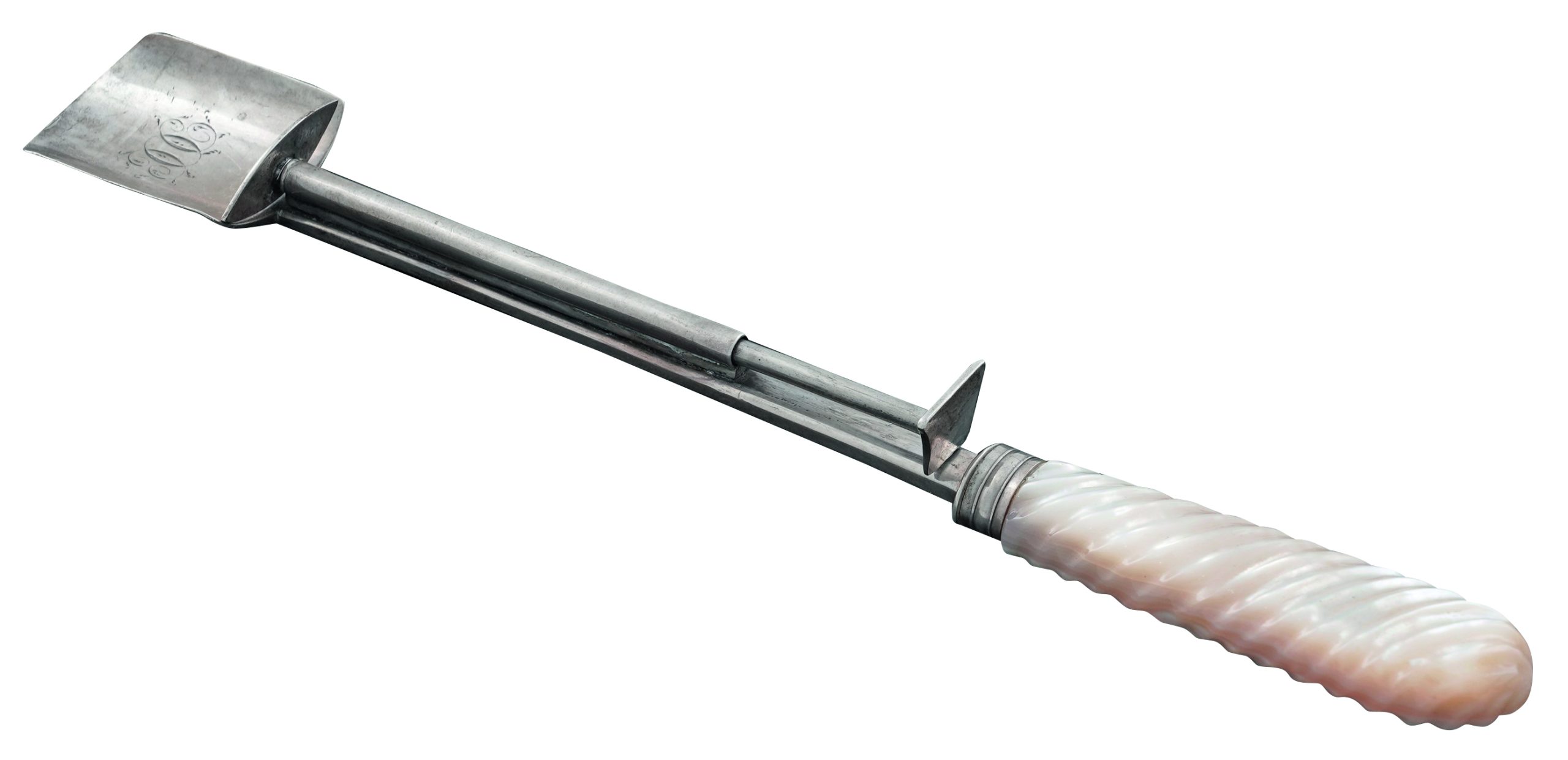
‘The scoops had to be robust enough to withstand enthusiastic – and probably drunken – usage. Some have an in-built pusher to make it easier to deposit cheese politely on the plate, rather than shaking off a clumsy dollop. They’re mainly curiosities today – it’s quite a wasteful way of serving cheese.
But at around £100 to £200, a cheese scoop would make a fun finale to a dinner party. How could you resist entertaining guests with stories of your cheese scoop made in the same year as the Battle of Trafalgar?’
The spoon warmer
Harriet Lusty: ‘With their draughty windows, high ceilings and huge rooms, the houses of even the Victorian elite were cold. It wasn’t only difficult to heat the dining room, food also needed to be kept warm while being transported from the kitchen. Heated plates were essential.
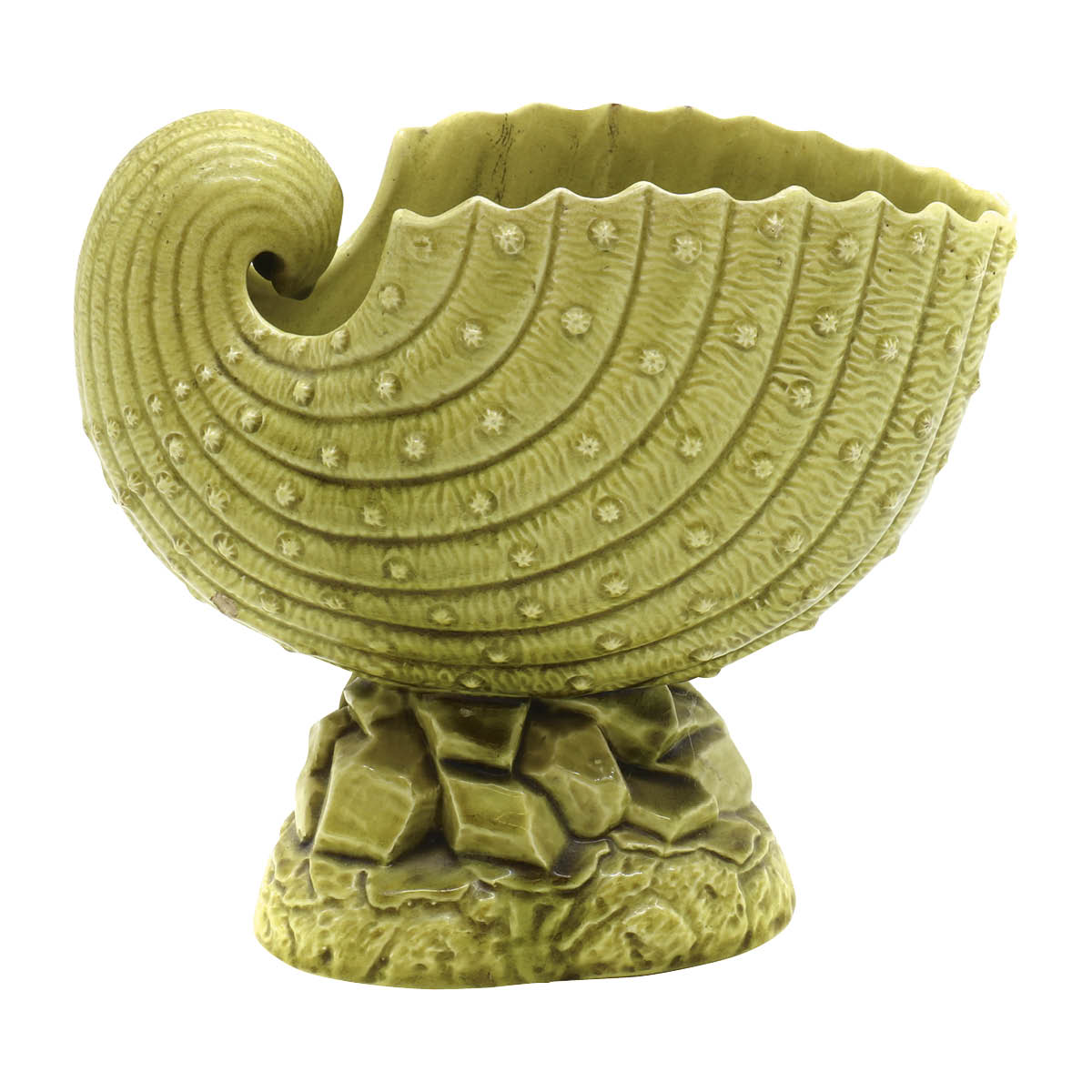
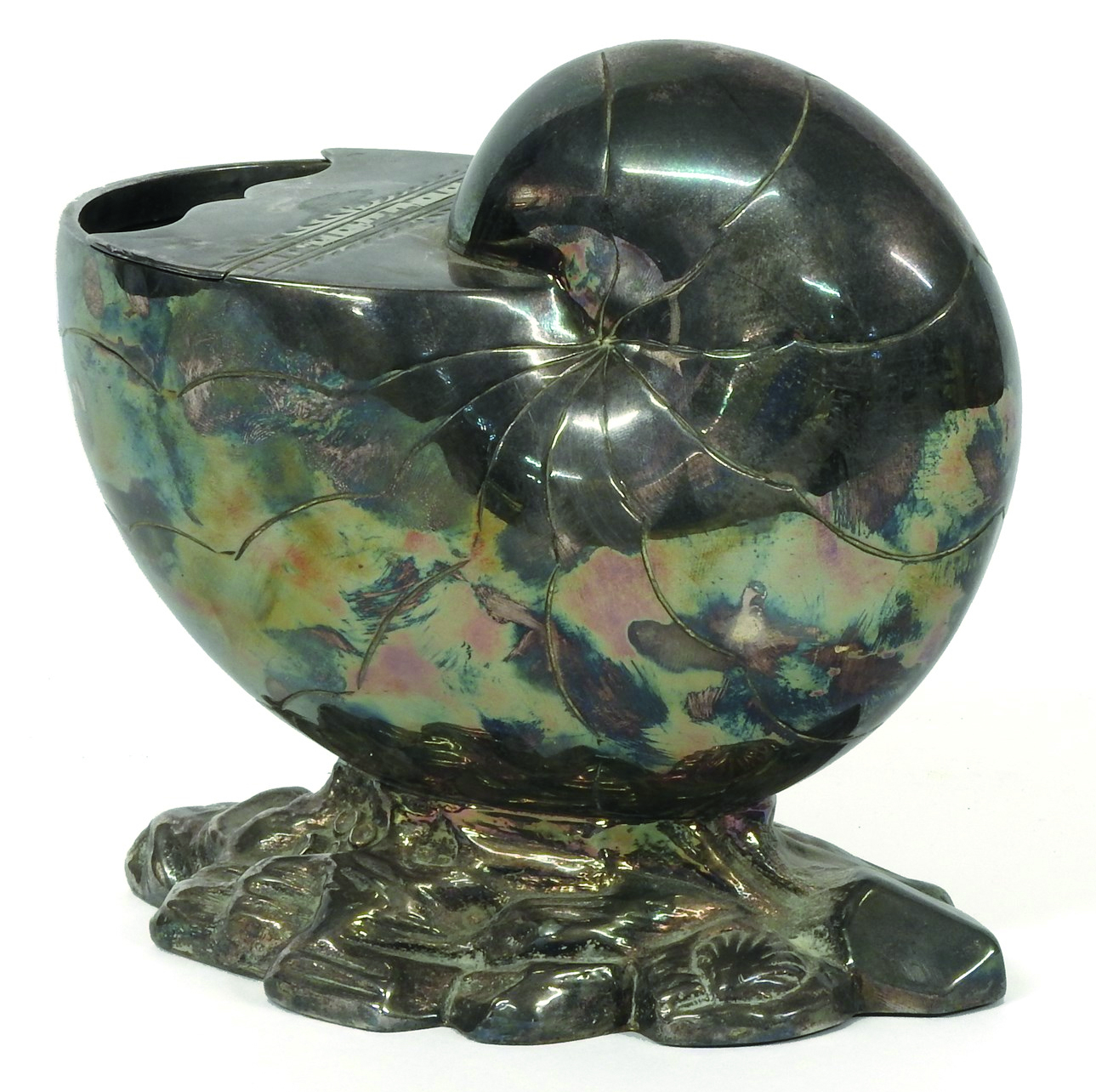
The considerate host also ensured their serving spoons were a suitable temperature – partly to prevent fatty sauces from congealing, partly because adhering to even the fussiest rules of etiquette was a sign of social polish. The vessels were filled with hot water and the serving utensils were placed inside, bowl-end down, to keep them warm.
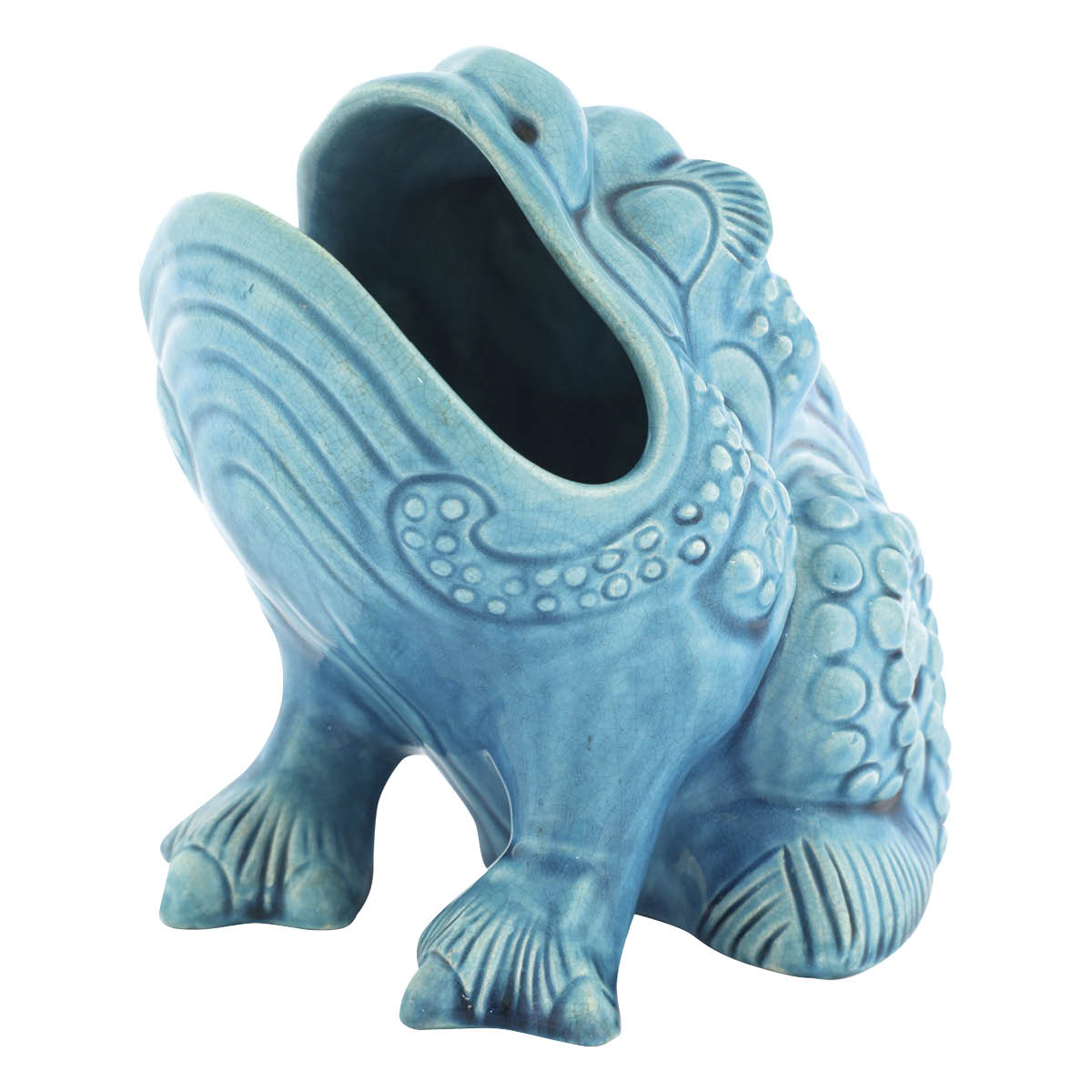
A little Victorian joke was that they were often in the form of watery creatures – frogs, toads, snails or shells – and as they were frequently made from bright faience ceramic, they added a cheerful splash of colour to the table. We don’t come across them very often at auction so they can make several hundred pounds – they can appeal, for example, to collectors of Burmantofts Pottery. In 2026, I imagine they’re more likely to be holding flowers than cutlery.’
The celery vase
Diane Sinnott: ‘Celery is less than £1 in the supermarket, but it used to be a luxury food that only the very rich could afford. Just like pineapples in the decades previously, it was laborious and expensive to produce, so in the mid 19th century fashionable hosts displayed celery in vases at the centre of the table.
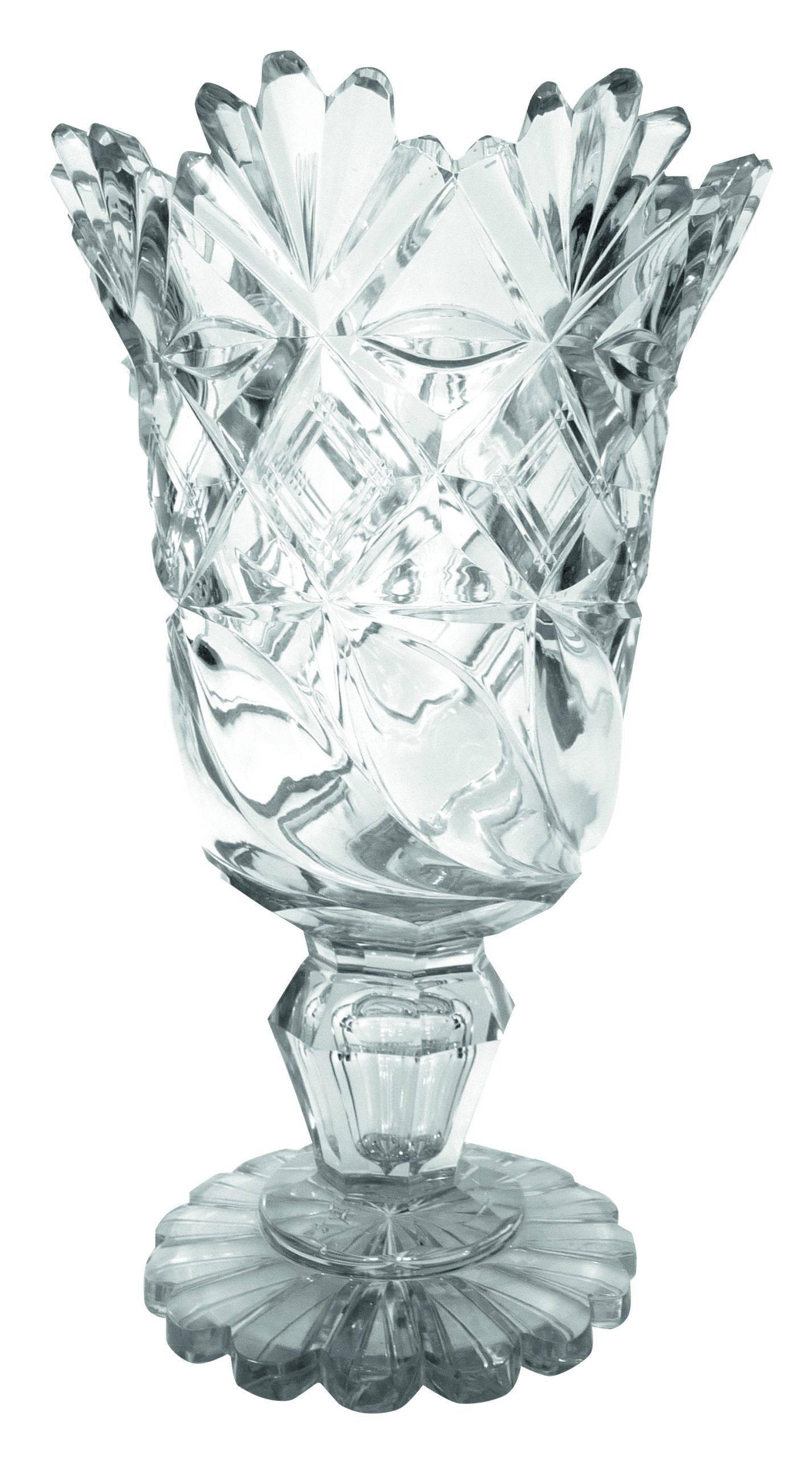
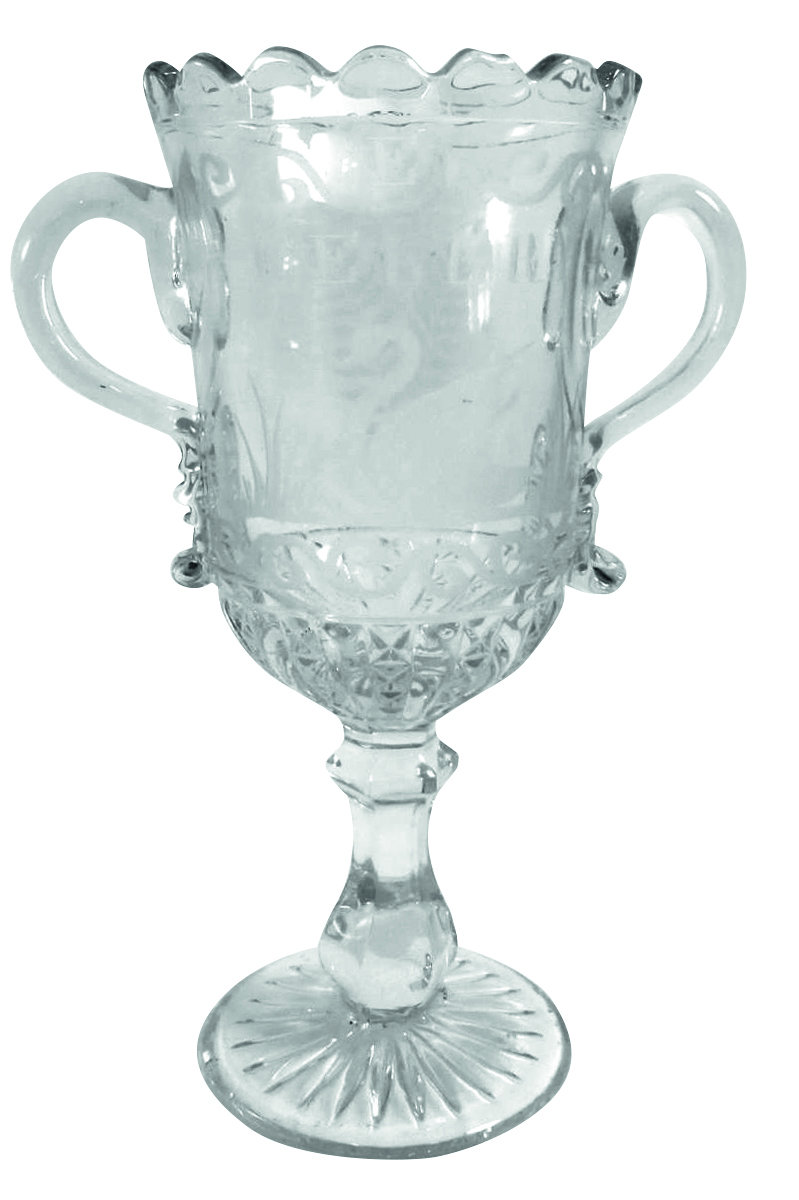
Celery vases look a lot like any other vase, but you can spot one because they’re usually glass (better for showing-off purposes), flared at the top, and with a separate footed base. They’re also around a standard 23cm tall – the perfect height for exhibiting your beautiful celery stalks.
‘There are some lovely vases engraved with couples’ initials and the date of their wedding, and I personally like the ones that say ‘celery’ – as if the centrepiece needed explaining. Very rarely, celery vases make upwards of £1,000 at auction.
Run-of-the-mill examples go for as little as £5. If displaying celery isn’t your thing, I think they make great, and very inexpensive, candle lanterns.’
The marrow scoop
Alex Butcher: ‘High-class restaurants are rediscovering marrow – not the garden vegetable, but the sticky, gooey insides of meat bones. Marrow scoops are constructed similarly to cheese scoops, but are longer and narrower, so you can dig deep into the bone.
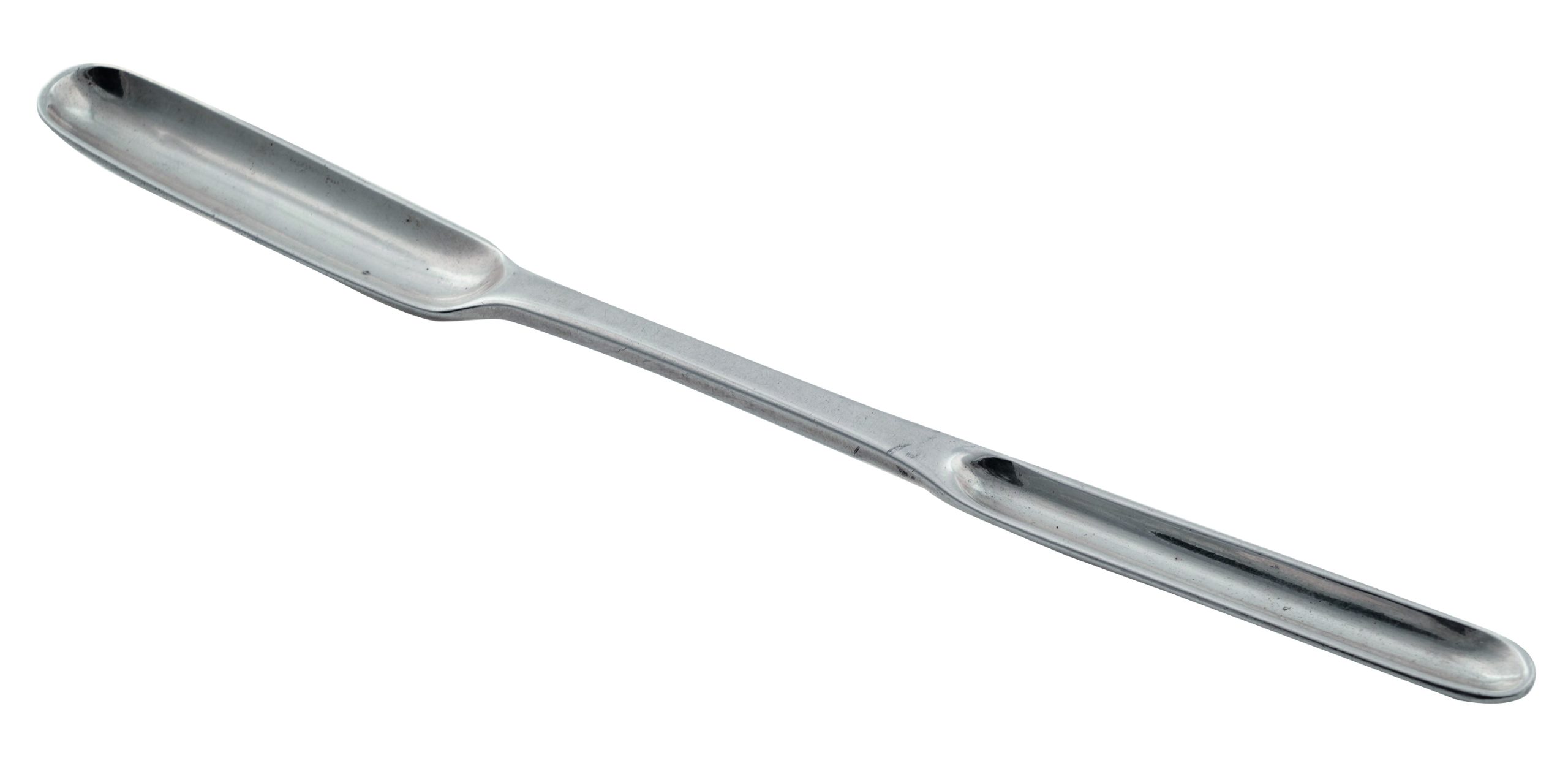
Some of the loveliest and most desirable examples, costing upwards of £1,500, are from an elite Scottish gentleman’s dining club of the 1830s – they called themselves ‘The Marrow Bone Club’.’
Main image: Copyright Ralf Hettler / Getty Images
