
Dunfermline
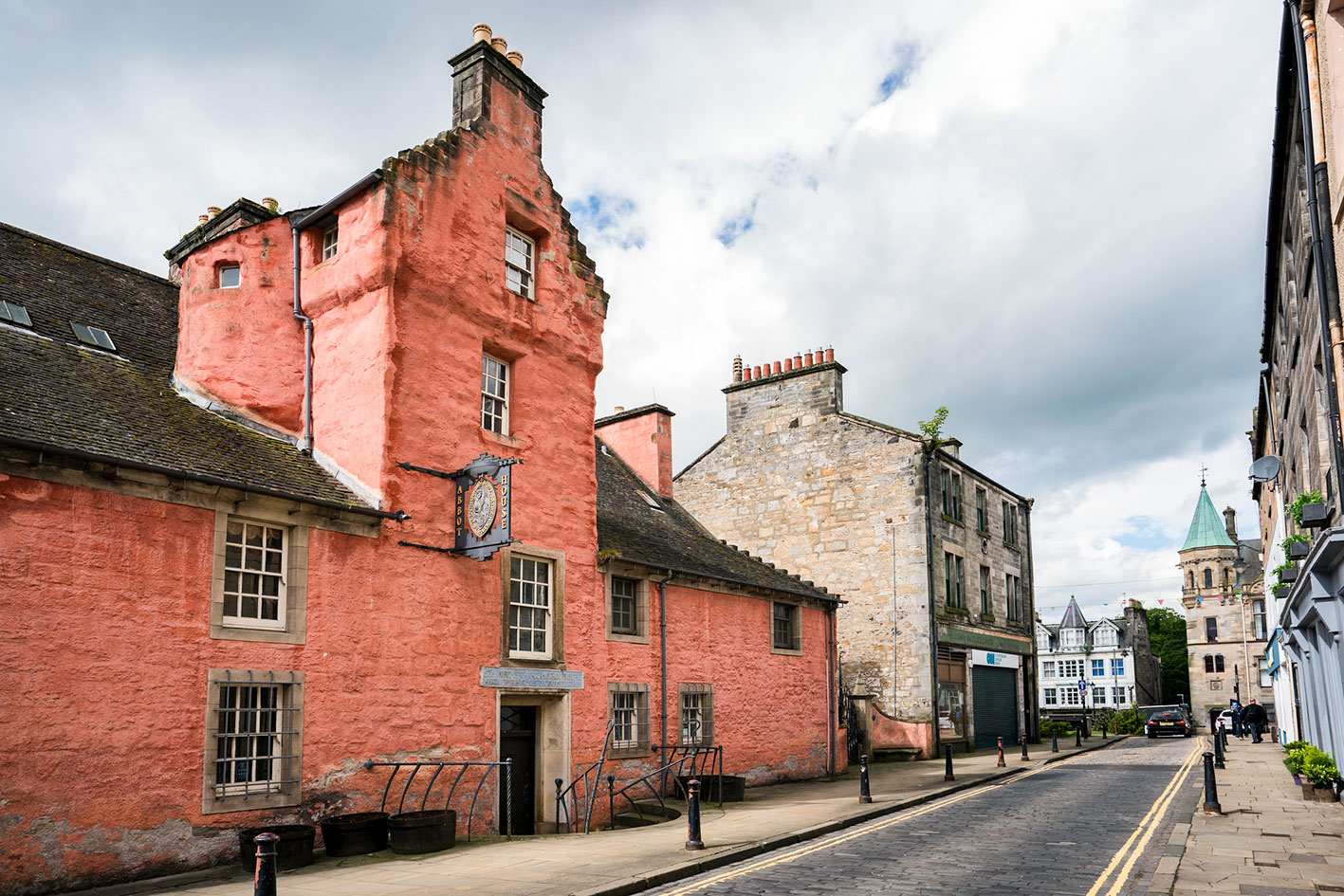
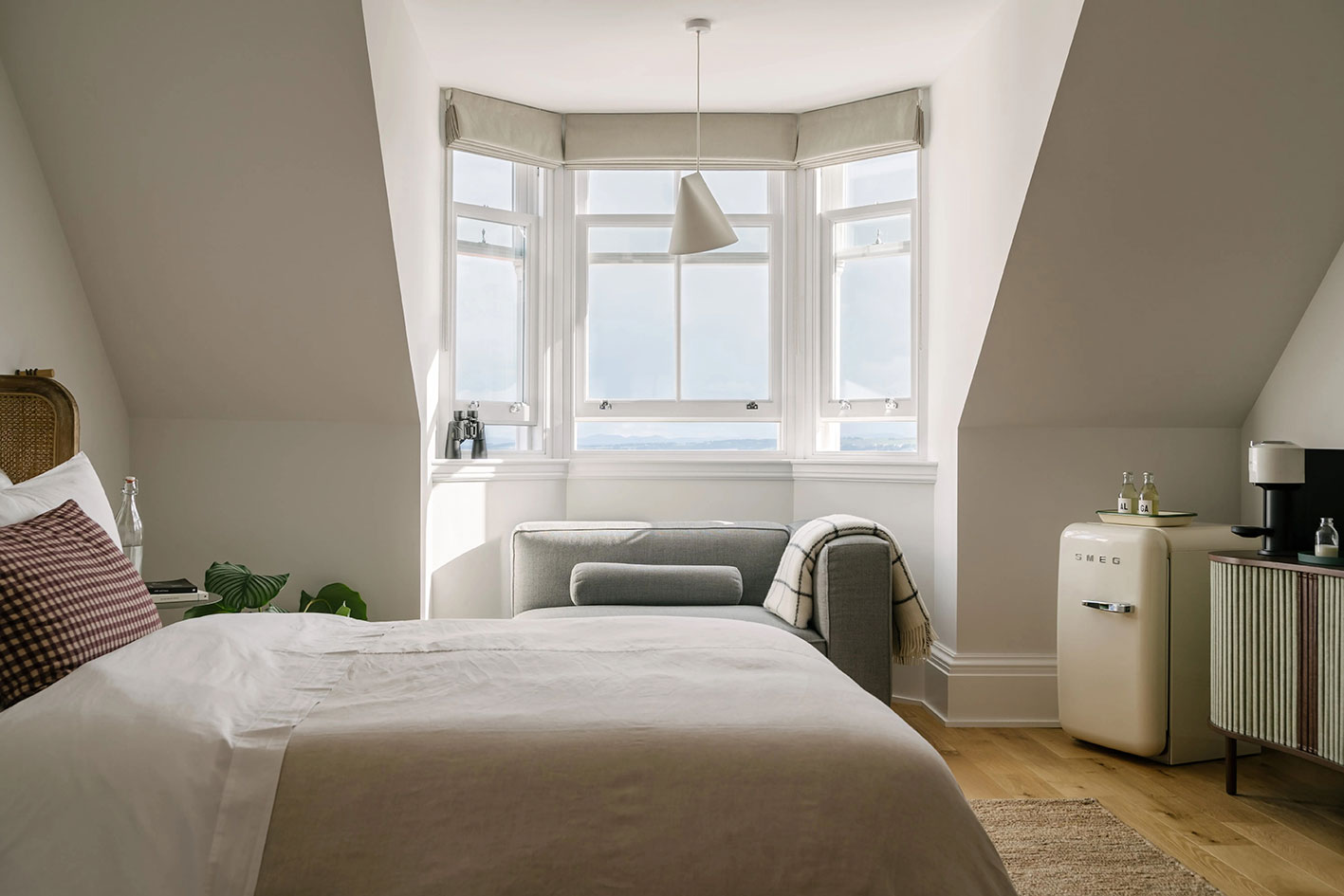
Capital of the Kingdom of Scotland between the 11th and 15th centuries, the city is home to a constellation of heritage marvels. Dunfermline Palace and Abbey (dunfermlineabbey.com) is chief among them; the resting place of several Scottish monarchs. The legacy of Andrew Carnegie, local boy turned world’s richest man, is just as palpable, however. His gifts include Pittencrieff House and Park (‘The Glen’) and the world’s first Carnegie Library: donations put in perspective at the humble Andrew Carnegie Birthplace Museum (carnegiebirthplace.com). Stay at The Dundonald in neighbouring Culross; doubles from £205, B&B (thedundonald.com).
Hartlepool
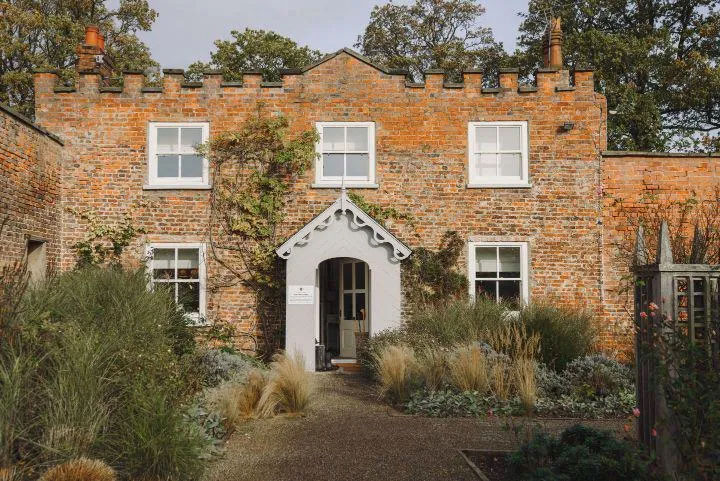
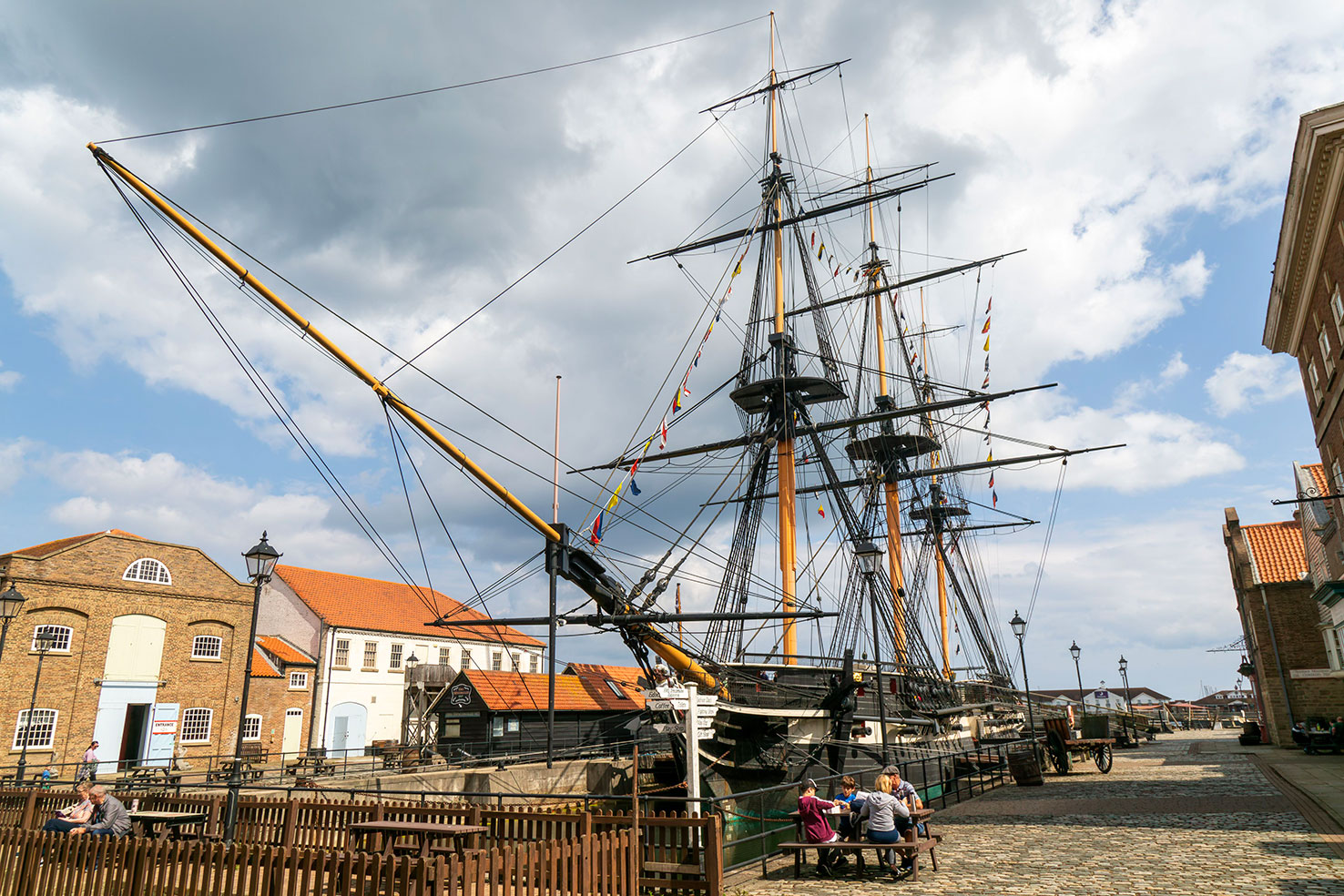
County Durham’s maritime history is easily appreciated in Hartlepool, where the National Museum of the Royal Navy includes a reconstruction of an 18th-century seaport (nmrn.org.uk). Conjuring quayside life in the time of Nelson, its immersive displays stretch to HMS Trincomalee, an 1817 warship. Other sites include the Heugh Battery Museum, St Hilda’s Church and the Town Hall Theatre. But keep your eyes peeled as you’re exploring; crumbling streetside curiosities include Friarage Manor House and an ornate water pump. Stay at Gardeners Cottage in nearby Wynyard; from £250 per night for two (wynyardhall.co.uk).
Stamford
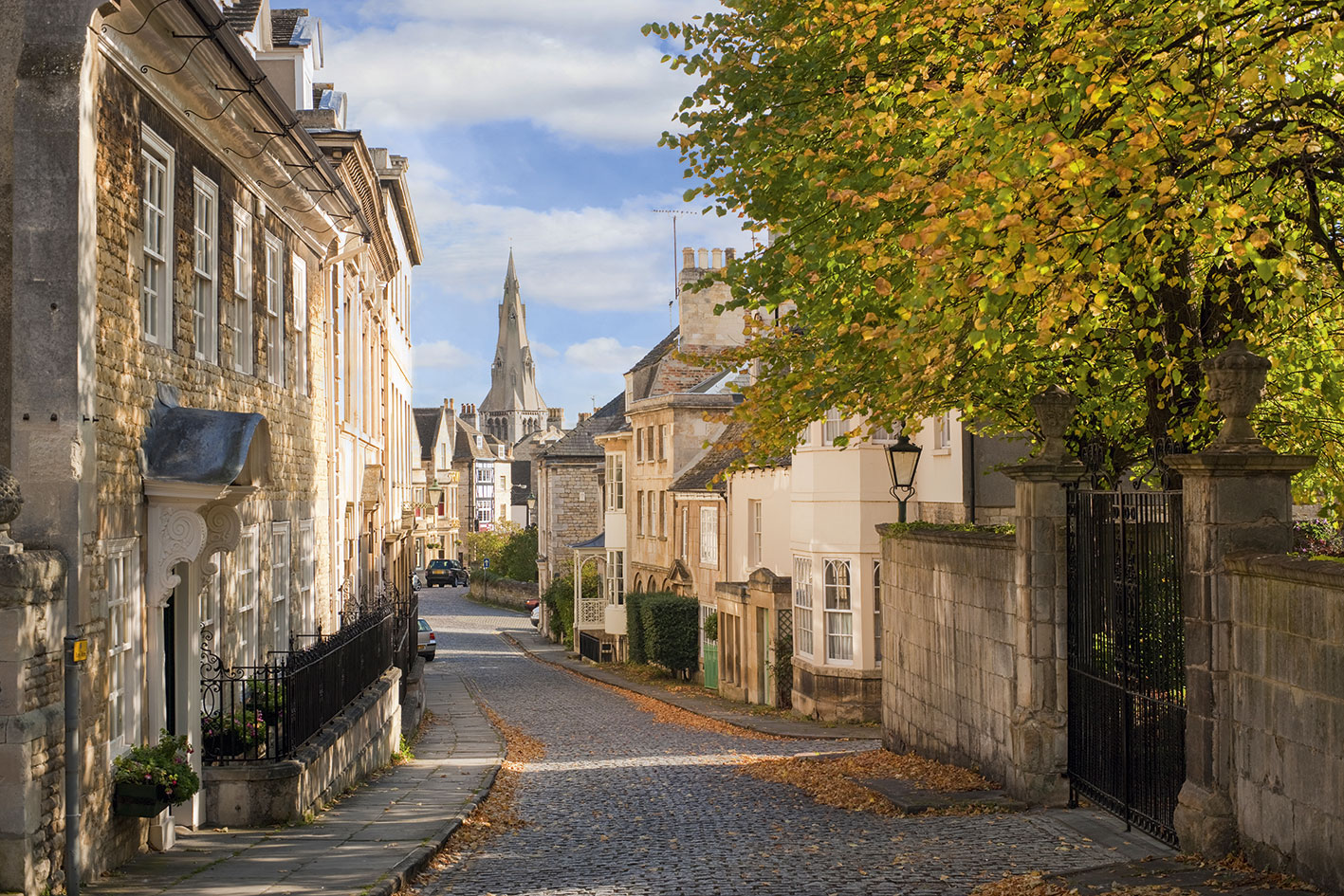
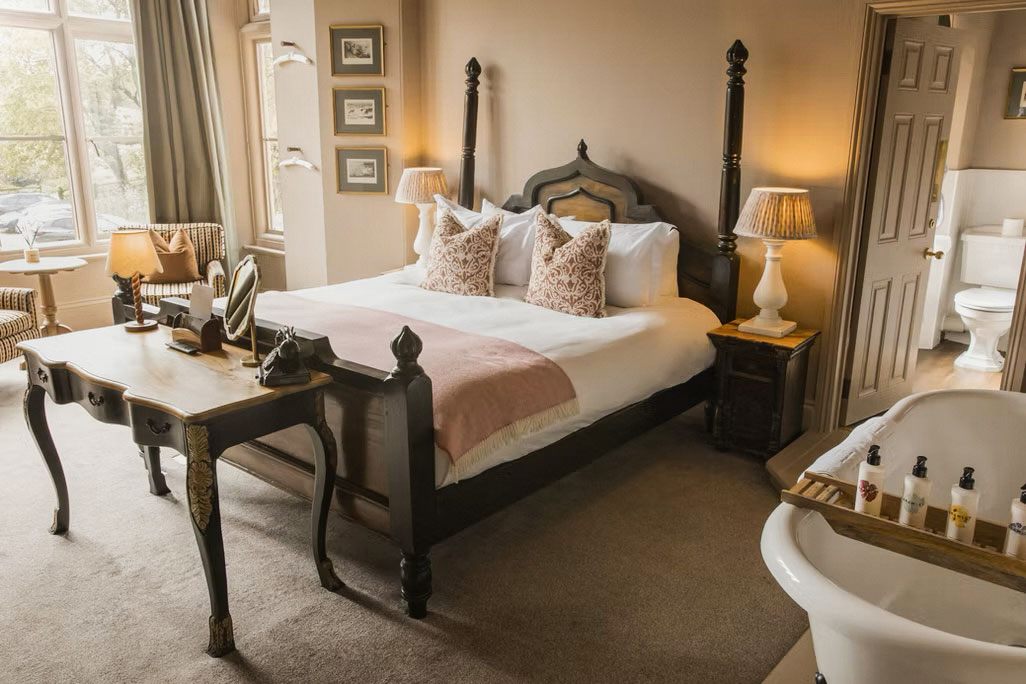
This Lincolnshire town is so richly embellished with architectural treasures that even some of its toilet blocks and phone boxes are listed. Once an important staging post between London and York, Stamford is home to 600 listed buildings; some date back to medieval times, while others are honey-stone Georgian. St Leonard’s Priory, Browne’s Hospital, the Corn Exchange and Stamford Library are among many highlights, as are the views down cobbled Barn Hill and across Town Bridge. The must-visit, however, is Elizabethan Burghley House, famed for its art and gardens (burghley.co.uk). Stay at The William Cecil; doubles from £150, B&B (thewilliamcecil.co.uk).
Lancaster
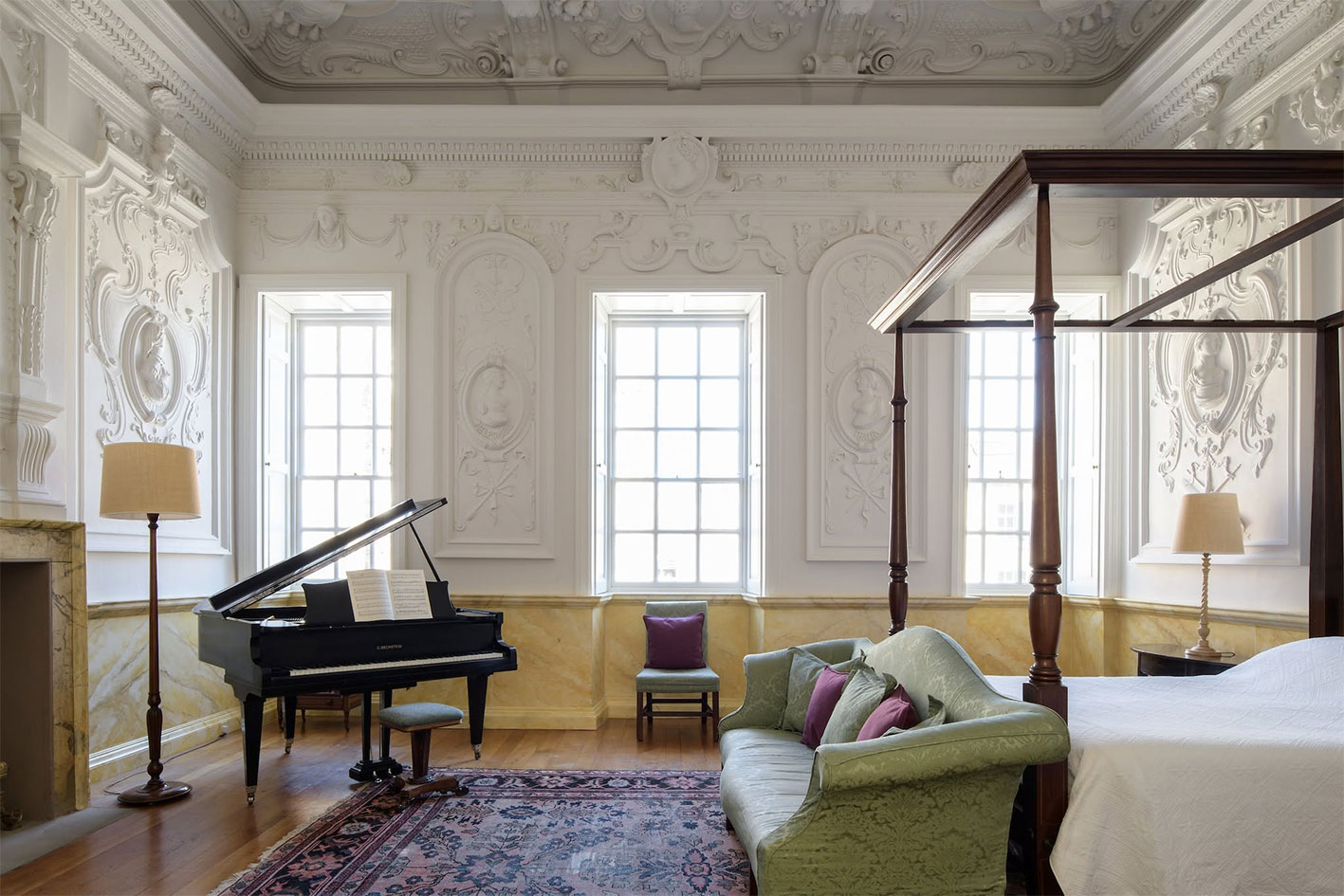
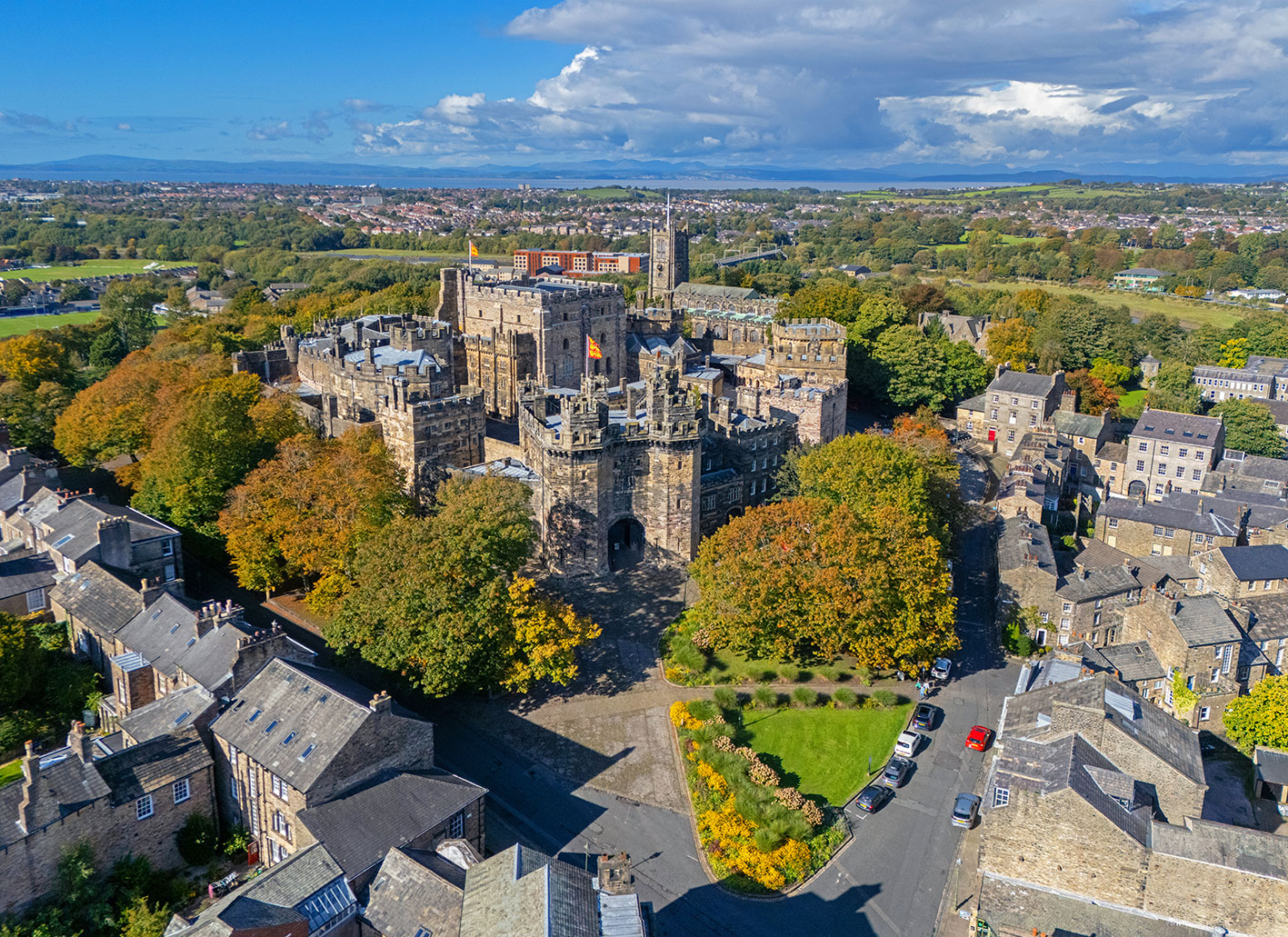
Presided over by the Ashton Memorial, a soaring Edwardian folly in Williamson Park, the once-prominent port city of Lancaster harbours a trio of fascinating museums – in the former town hall, along its Georgian quayside, and in an early Victorian cottage. Fuel up on a Lancashire cheese toastie from cult local bakery Tuck (@tuck.lcr), and coffee from Atkinsons (atkinsonscoffee.com), then explore other local treasures including the Judges’ Lodgings Museum and Lancaster Castle (for info on the above see visitlancaster.org.uk). Stay at the 18th-century Music Room; from £294 for two nights for two people (landmarktrust.org.uk).
Halifax
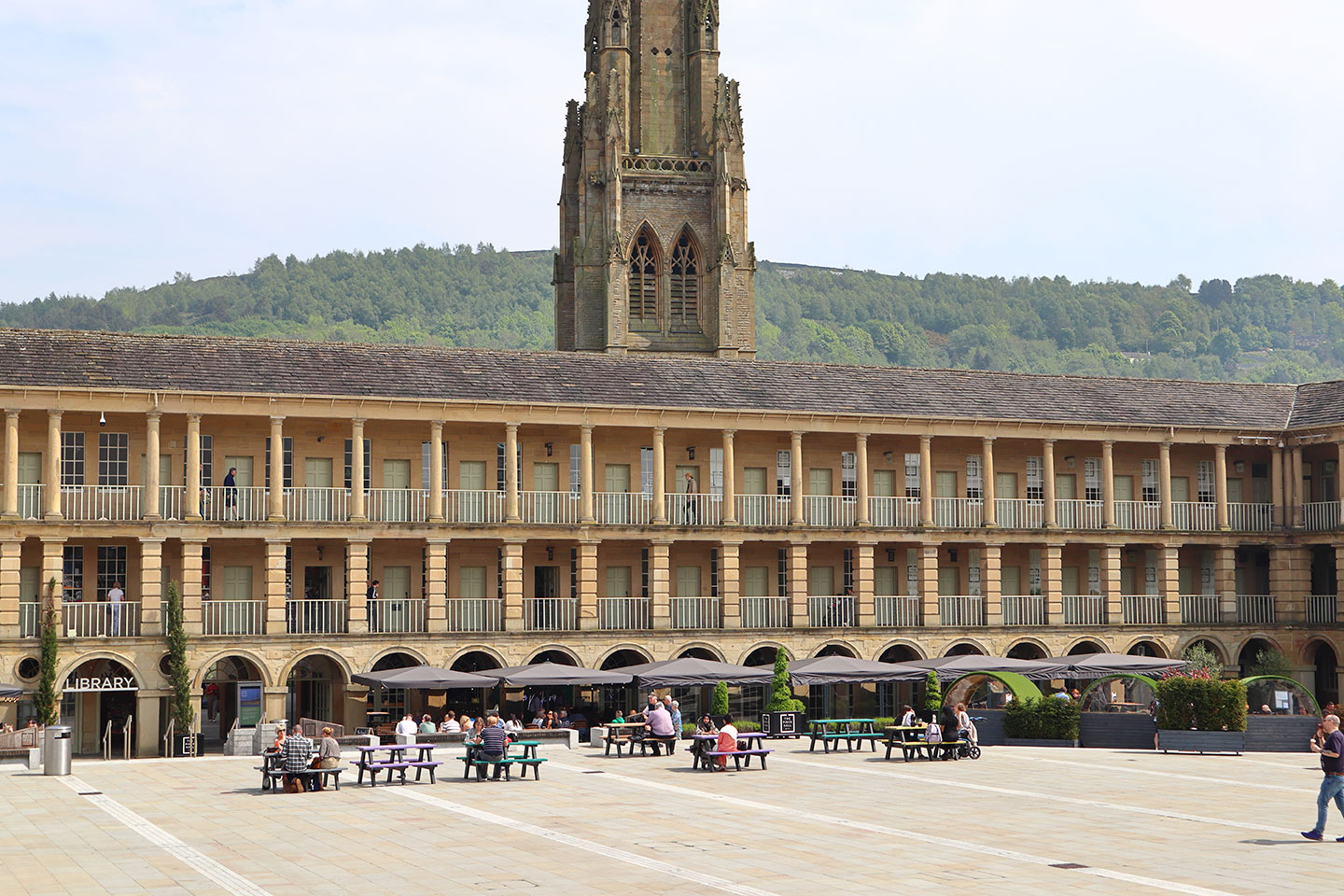
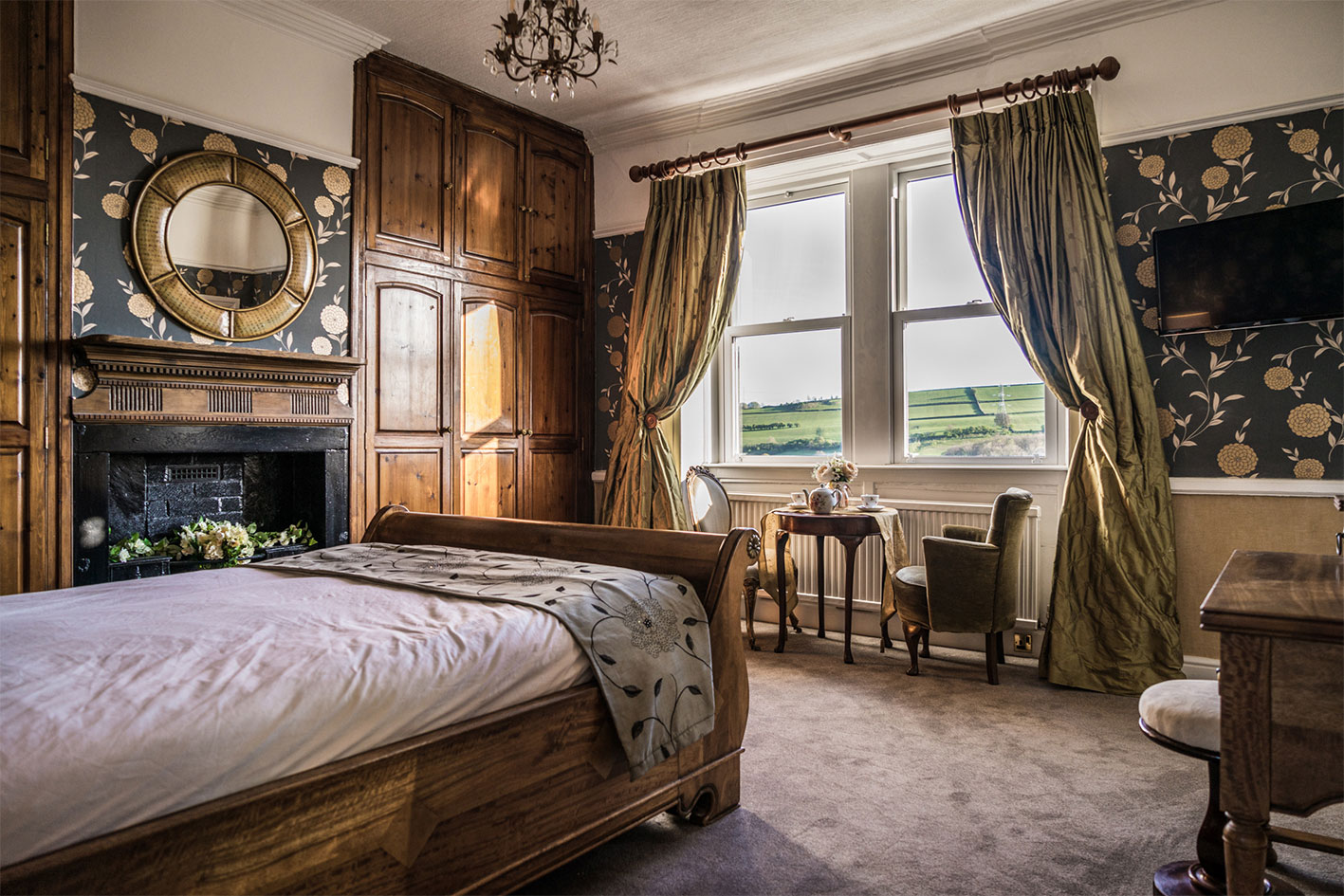
Towering mills and Victorian showstoppers, such as the town hall and borough market, are grand architectural reminders of this Yorkshire town’s key role in the wool and worsted trade. Not to mention the magnificent Piece Hall (thepiecehall.co.uk): built in 1779 as a hub for handloom weavers to sell their ‘pieces’ in the days before industrialisation, it now houses antiques shops, cafes and concerts. Grade I-listed Halifax Minster, museums dedicated to the town’s industrial past and Shibden Hall, the former home of diarist Anne Lister (museums.calderdale.gov.uk), also warrant a visit. Stay at Shibden Hall View; £176 a night B&B for a suite (shibdenhallview.com).
Lichfield
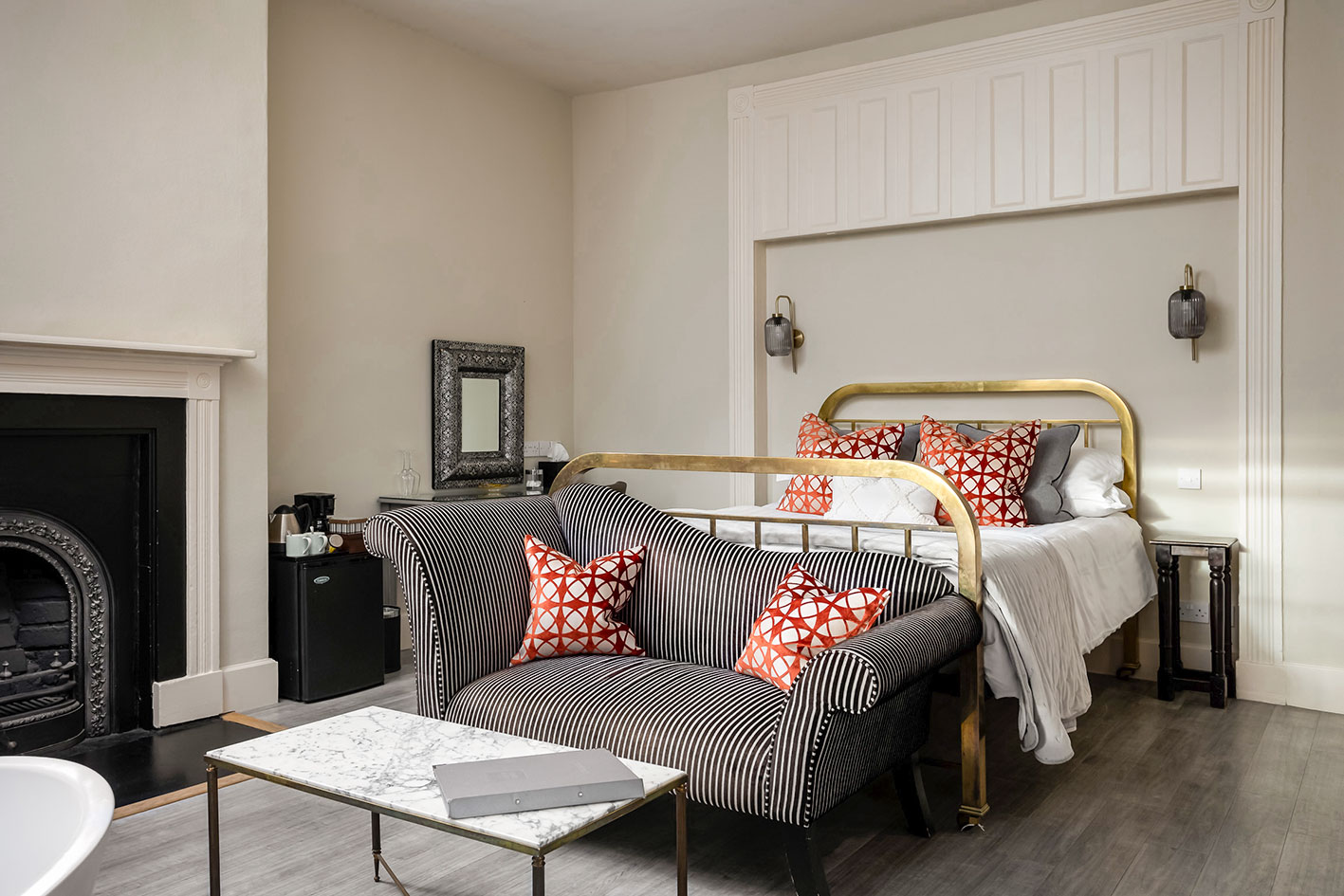
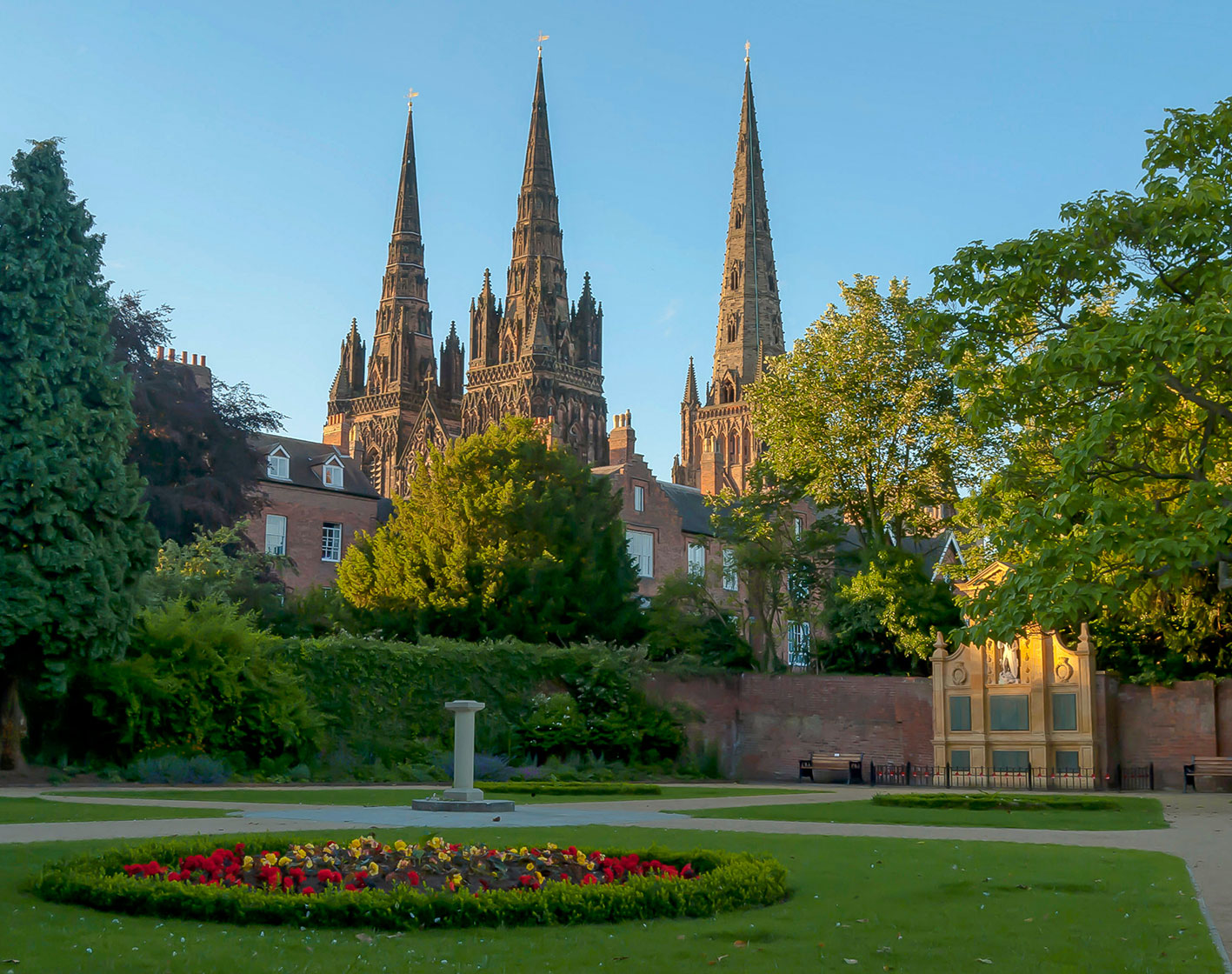
Circled by Birmingham, Leicester, Stoke-on-Trent, Derby and Coventry, the Staffordshire city of Lichfield is home to over 300 listed buildings, the legacy of wealth built on pilgrims, wool and coaching. From half-timbered Tudor tearooms to the red-brick Georgian home of Erasmus Darwin (erasmusdarwin.org), it’s all here, including the city’s exquisite three-spired medieval cathedral (lichfield-cathedral.org). Other attractions include the Samuel Johnson Birthplace Museum and Bookshop; the author spent the first 27 years of his life in the city (samueljohnsonbirthplace.org.uk). Stay at St Johns House; doubles from £125, B&B (stjohnshouse.co.uk).
Chester
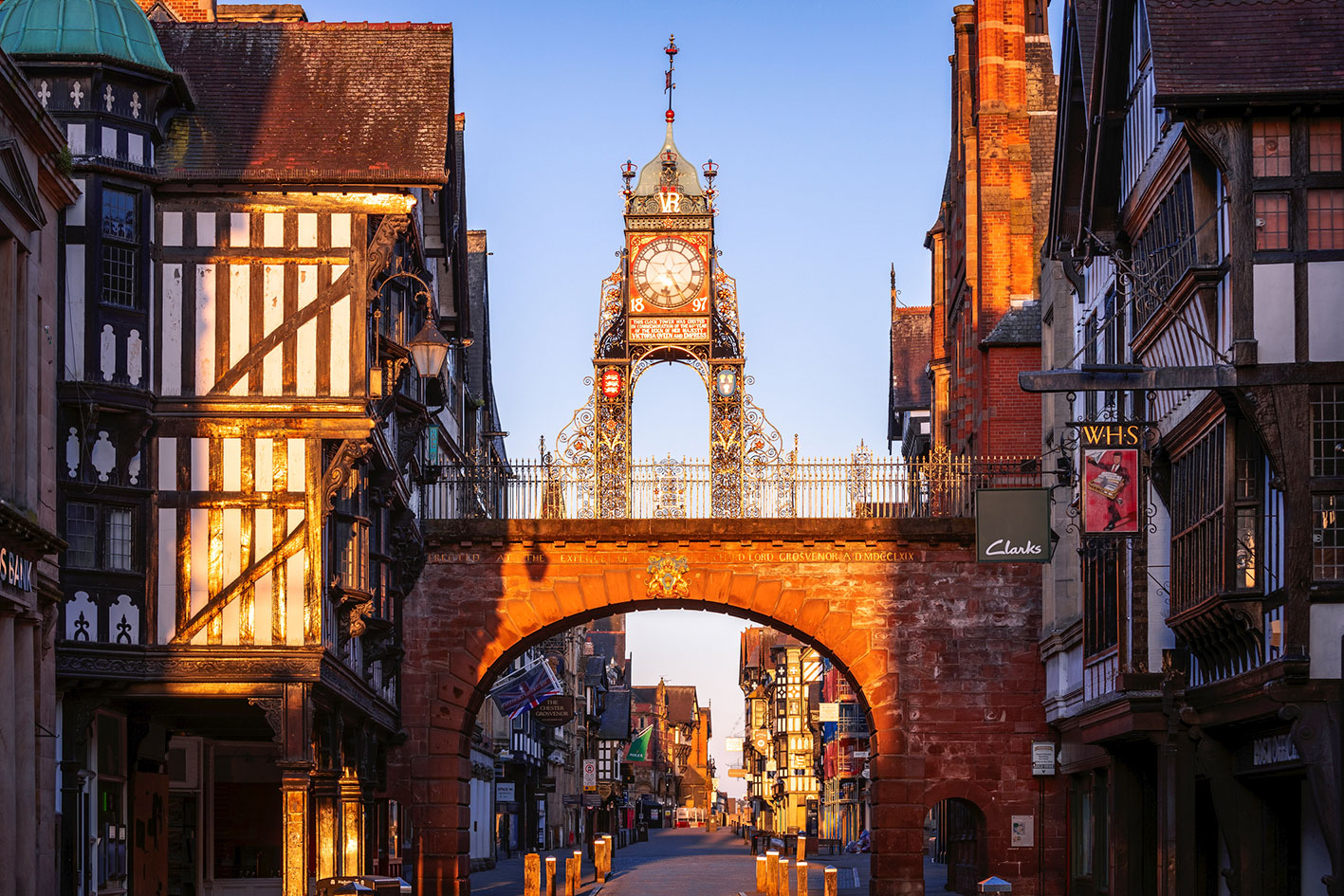
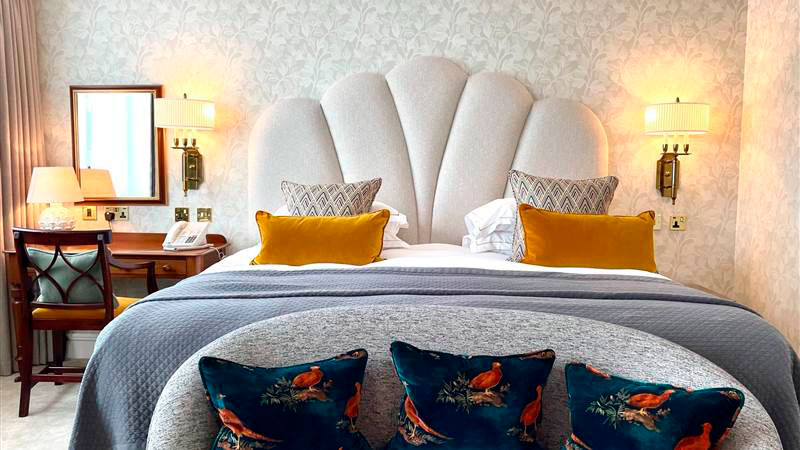
Chester is one of the UK’s most atmospheric cities, where Roman foundations, medieval walls and Tudor streets lie within easy walking distance of each other. As well as the cathedral, must-sees include the nearby Chester Rows – these unique two-level medieval galleries, with shops and cafes, are a fun way to explore history and local life (visitcheshire.com). For a taste of medieval domestic architecture – as well as craft beer – head to Gamul House, followed by the Roman Amphitheatre (english-heritage.org.uk) and Grosvenor Park on the riverbank, where you can walk among heritage features like the old Shipgate arch (chester.com). Stay at The Chester Grosvenor; doubles from £180 B&B (chestergrosvenor.com).
St Andrews
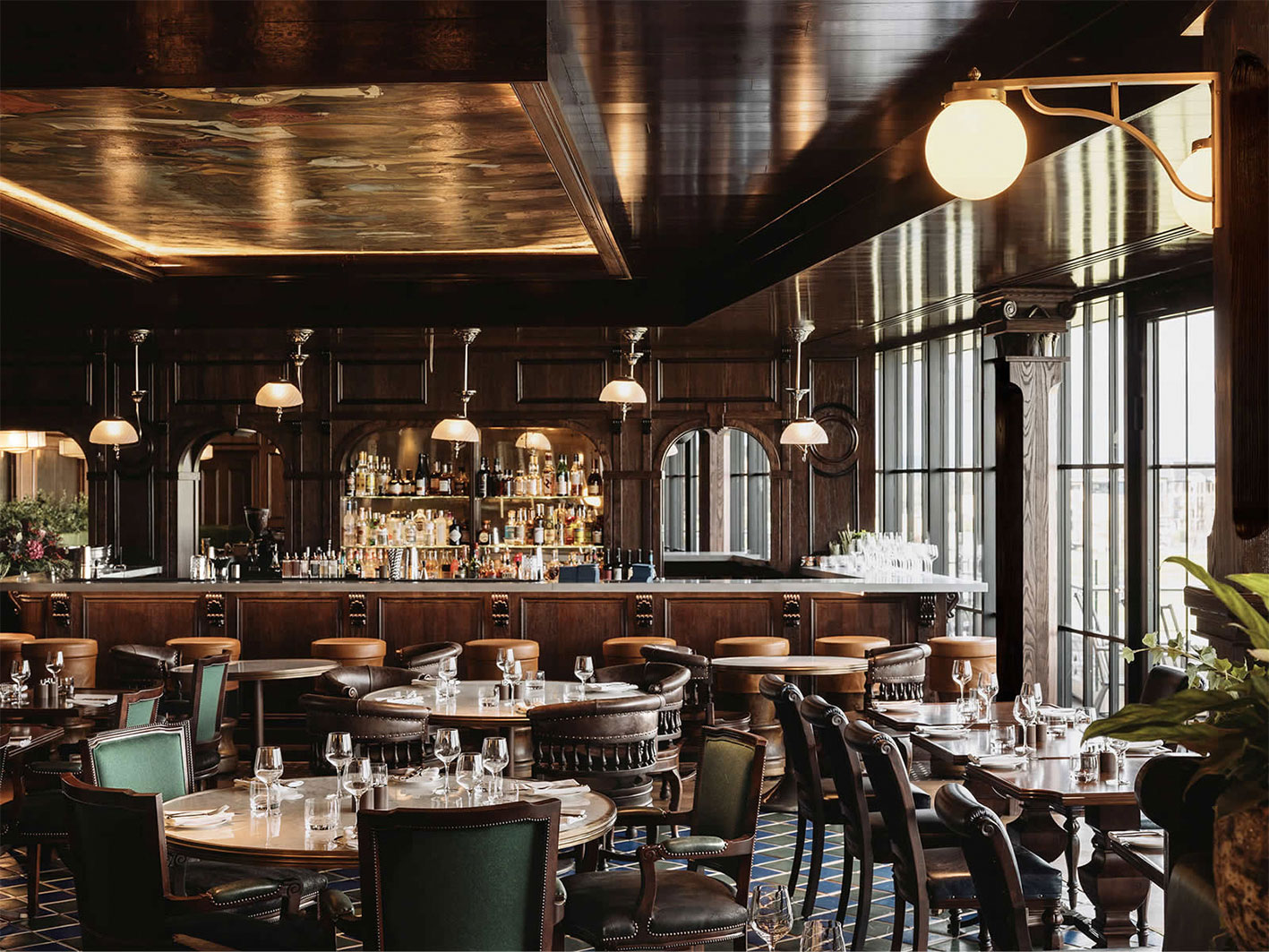
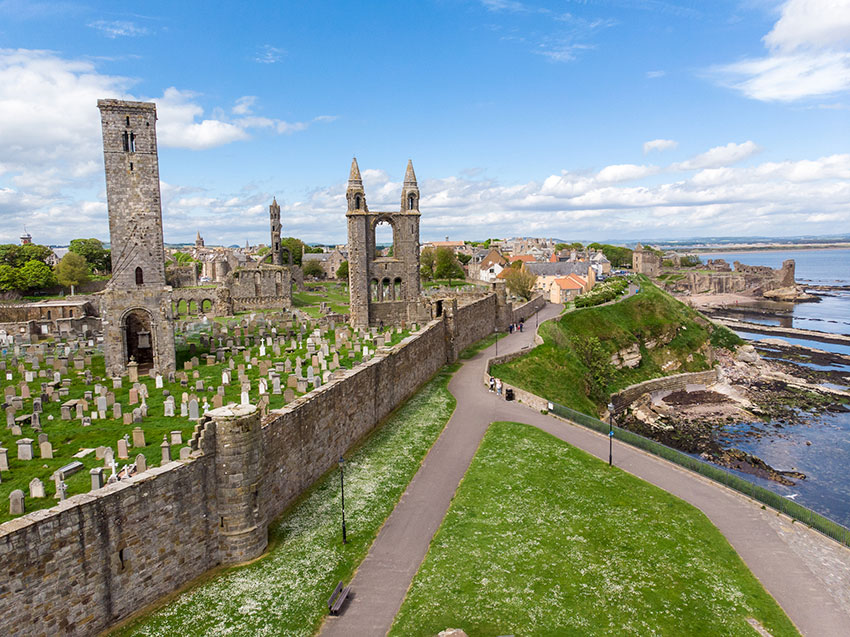
On the edge of the North Sea, this ancient Fife burgh is brimming with ecclesiastical ruins and academic landmarks. Wander through the roofless cathedral and along the sea-battered castle to feel its medieval power, then climb St Rule’s Tower for sweeping views across the bay. Founded in 1413, the university animates the town with chapels, courtyards and daily scholarly rhythms, while the fragmentary Blackfriars Chapel – atmospheric and often overlooked – provides a coda to the town’s story (historicenvironment.scot). Golf lovers, of course, will also appreciate that St Andrews is home to some of the oldest golf courses in the world. Stay at Rusacks; from £305 per night (marineandlawn.com).
Winchester
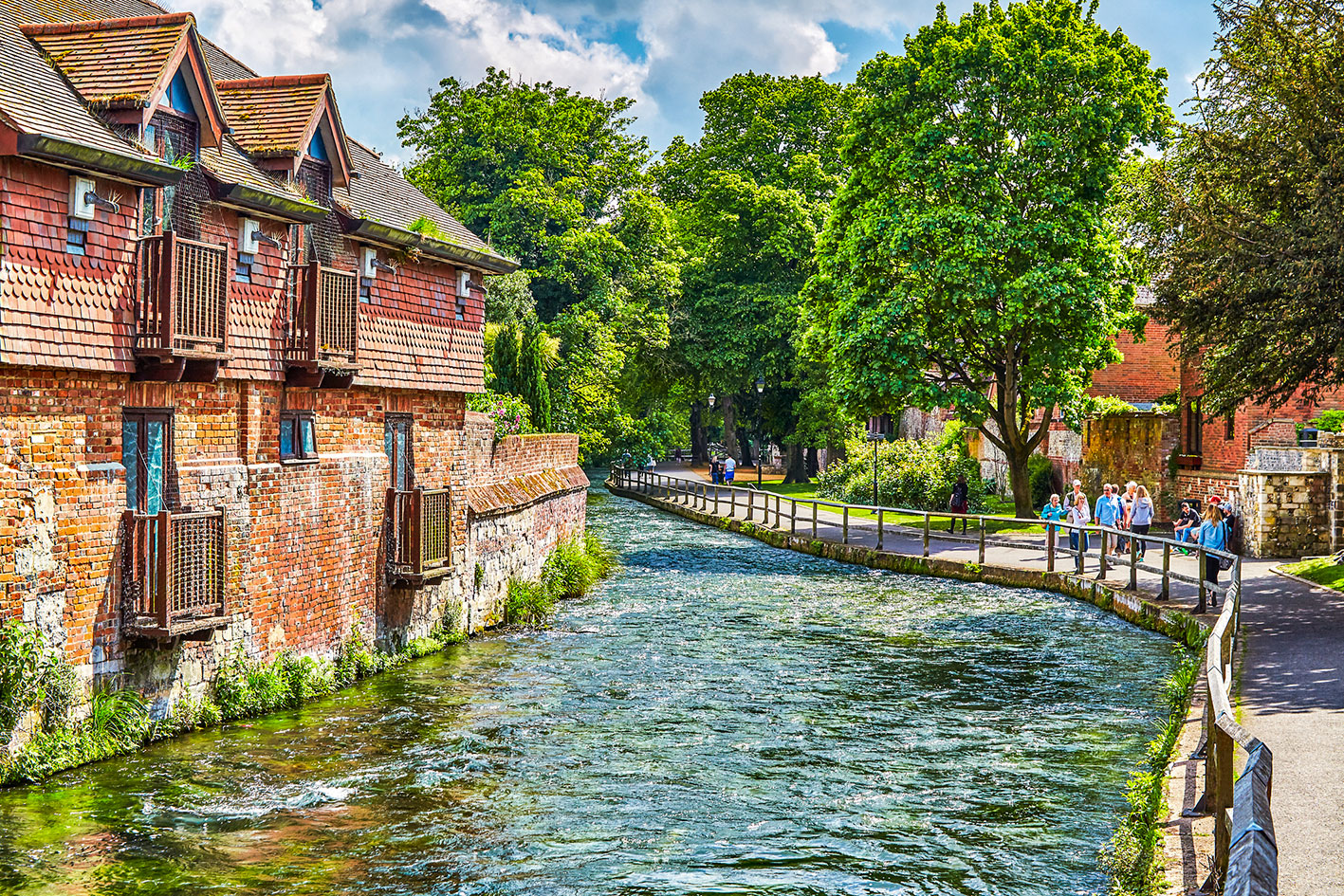
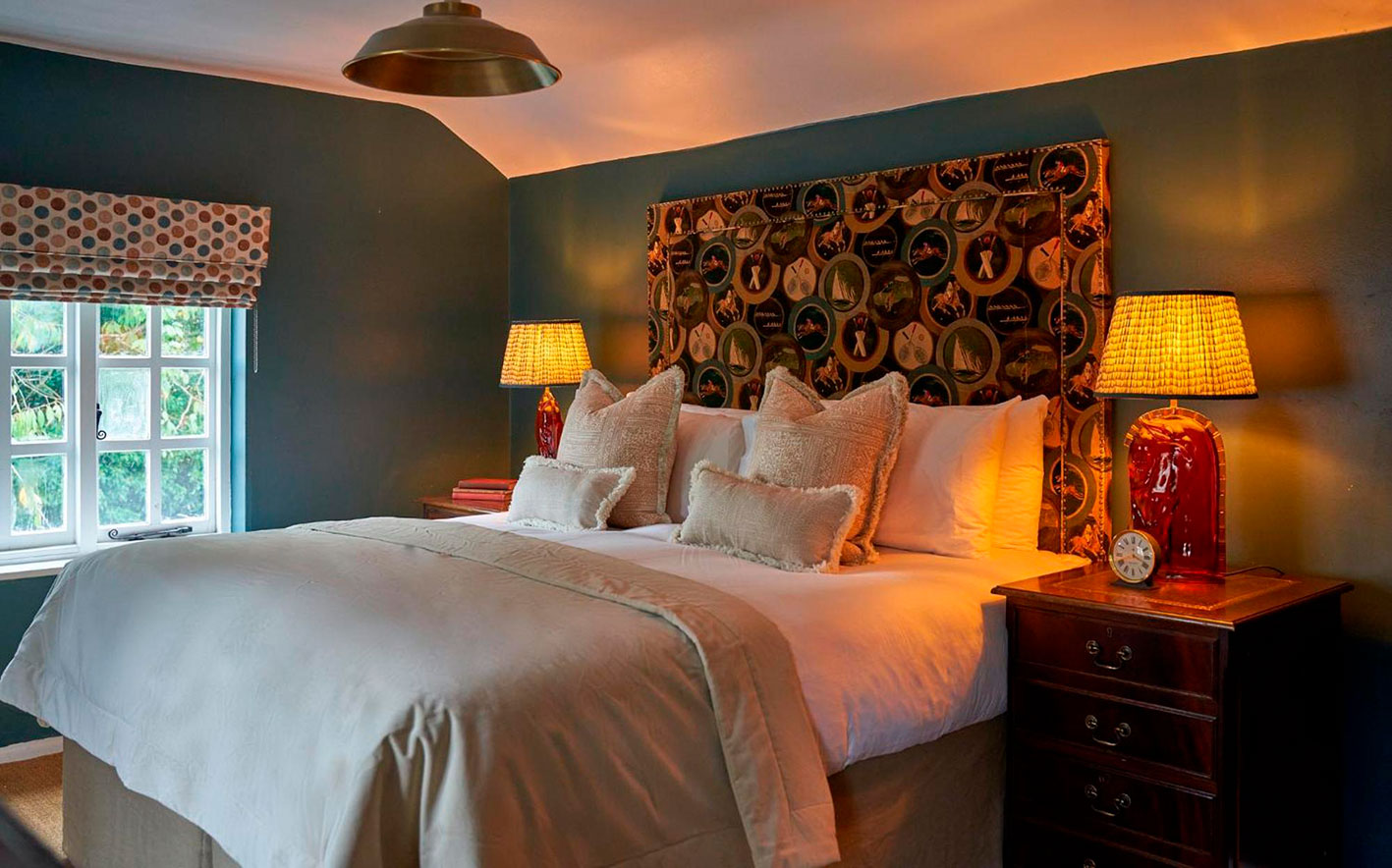
Compact Winchester is a charming weekend destination, perfect for strolling along cobbled streets lined with timbered buildings, or following the River Itchen for a scenic stroll that takes in a working Saxon-origin watermill (nationaltrust.org.uk). Winchester Cathedral – Jane Austen’s resting place – is rich with medieval carvings, while nearby Winchester Castle, built by William the Conqueror, lies mostly in ruins. However, its surviving Great Hall is home to King Arthur’s legendary Round Table, while the adjoining Westgate Museum offers rooftop views and plenty of local history (historicwinchester.co.uk). The atmospheric ruins of Wolvesey Castle are also worth seeing (english-heritage.org.uk). Stay at The Chestnut Horse in nearby Easton village; doubles from £90 (thechestnuthorse.com)
Wells
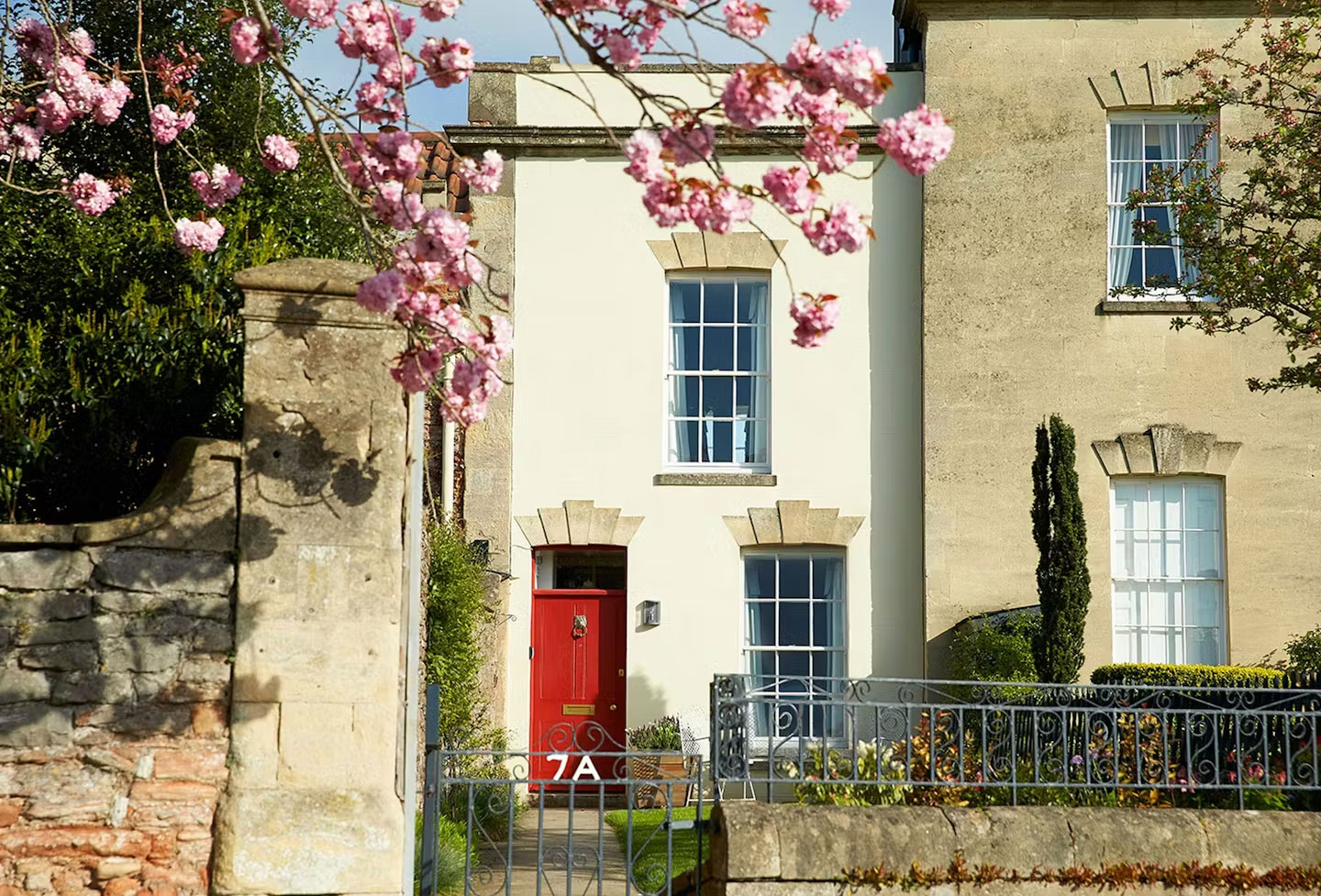
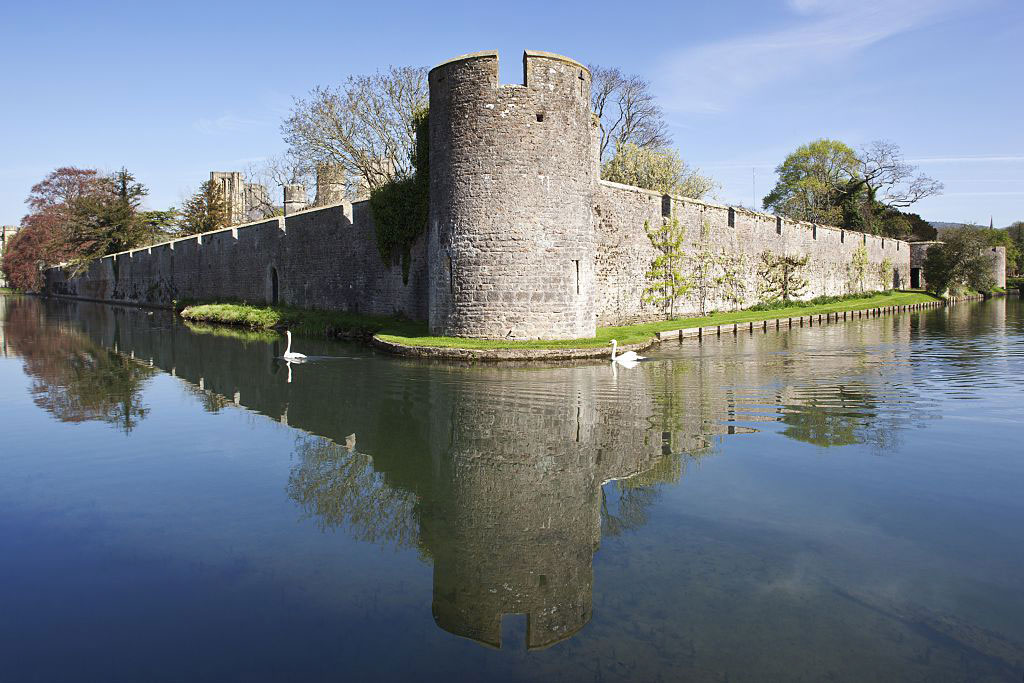
Dominated by the gothic Cathedral, with its magnificent stained-glass Jesse Window (c1340) and famous Scissor Arches, Wells may be England’s smallest city, but its history feels grand. Beyond the Market Square lies the moated Bishop’s Palace, whose 14 acres of RHS Partner Gardens offer a serene haven. The springs here gave Wells its name and drew its earliest settlers; Stone Age and Roman artefacts have been found nearby (bishopspalace.org.uk). Don’t miss Vicars’ Close, believed to be the only complete medieval street left in England, and Penniless Porch, built by Bishop Thomas Beckington, and named for the beggars who plied their trade there. For cathedral views, stay at Honeysuckle & Rose; £697 for three nights (plumguide.com)
*Accommodation correct at the time of writing.


