Cath Kidston has been a force in the design and decorating world for more than 30 years, and when you mention her name, you immediately think of pretty flowers and a very English look. In recent years, she has become obsessed with pelargoniums, and that’s how author Jenny Rose-Innes connected with her – she adores the flowering plant as well. Jenny was so thrilled to be able to meet up with her first at her very sweet C.Atherley shop at Porchester Place in London, where her shopkeeping yearnings are still being met, before heading off to her house in the country to chat interiors, gardens and plants...
Can you first tell us a little bit about yourself?
I am now a 66-year-old pensioner, who has spent pretty much all my life involved somehow in the world of design and retail. As a child I played shop, loved art projects and had my own patch of garden. Not much has changed over the years.
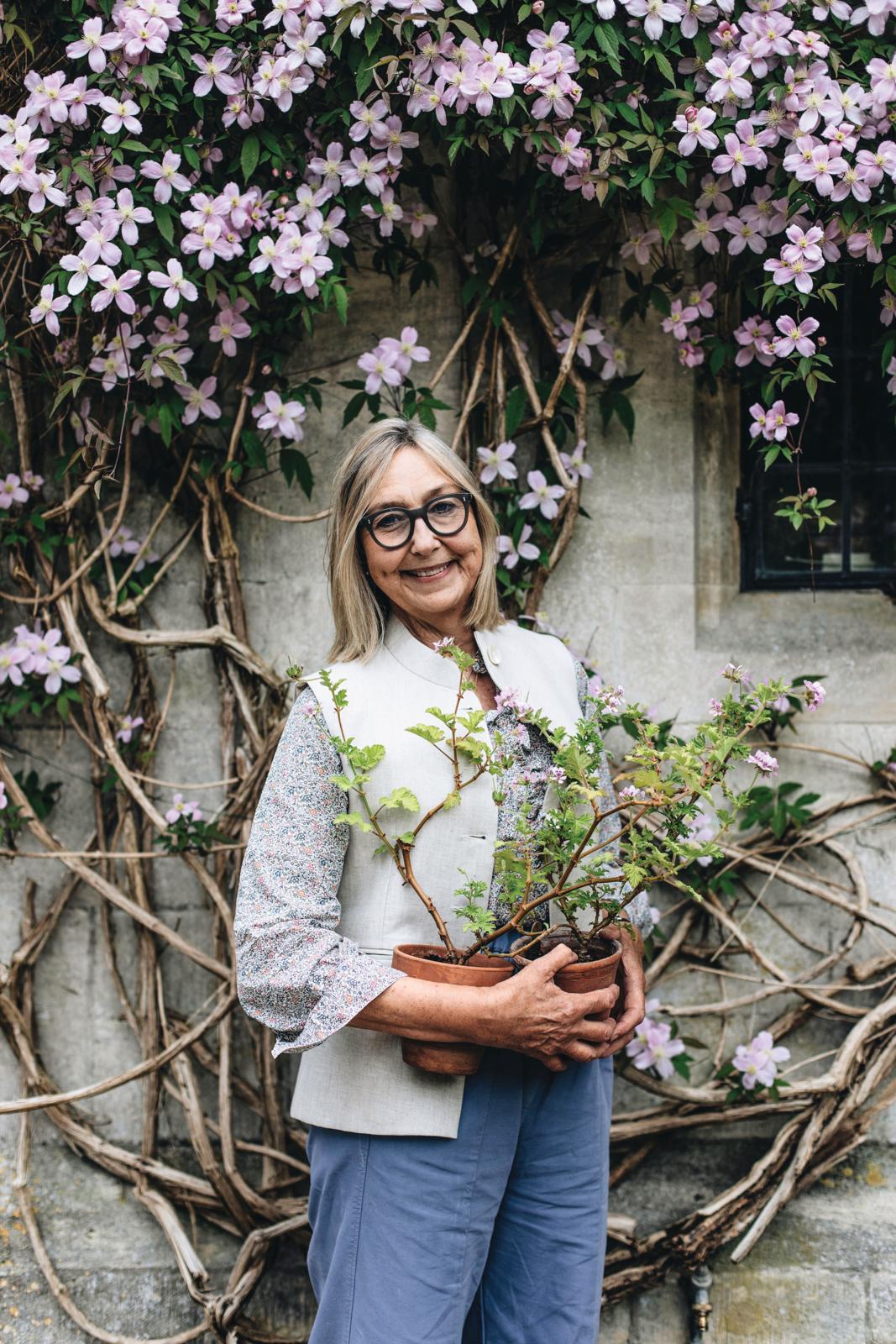

My family loved houses and decorating and gardening, and they probably offered me more of an education than my very poor schooling. Having worked in interiors for a decade, I set up Cath Kidston, my print and product company, in 1993 as a little shop in Notting Hill. Over the following 20-odd years, I had the most extraordinary working life with the company ever growing.
I stepped away when I felt I was part of a corporation. It didn’t take long for me to miss designing, so I founded a print design company, Joy of Print, working for all sorts of brands, and then fell into C.Atherley, a body-care brand that I created. We make our fragrances here in the UK, matching plants I have grown, so the product is made literally from greenhouse to bottle. The brand is named after my maternal grandmother to celebrate the women gardeners in my family.
Can you tell us about your house?
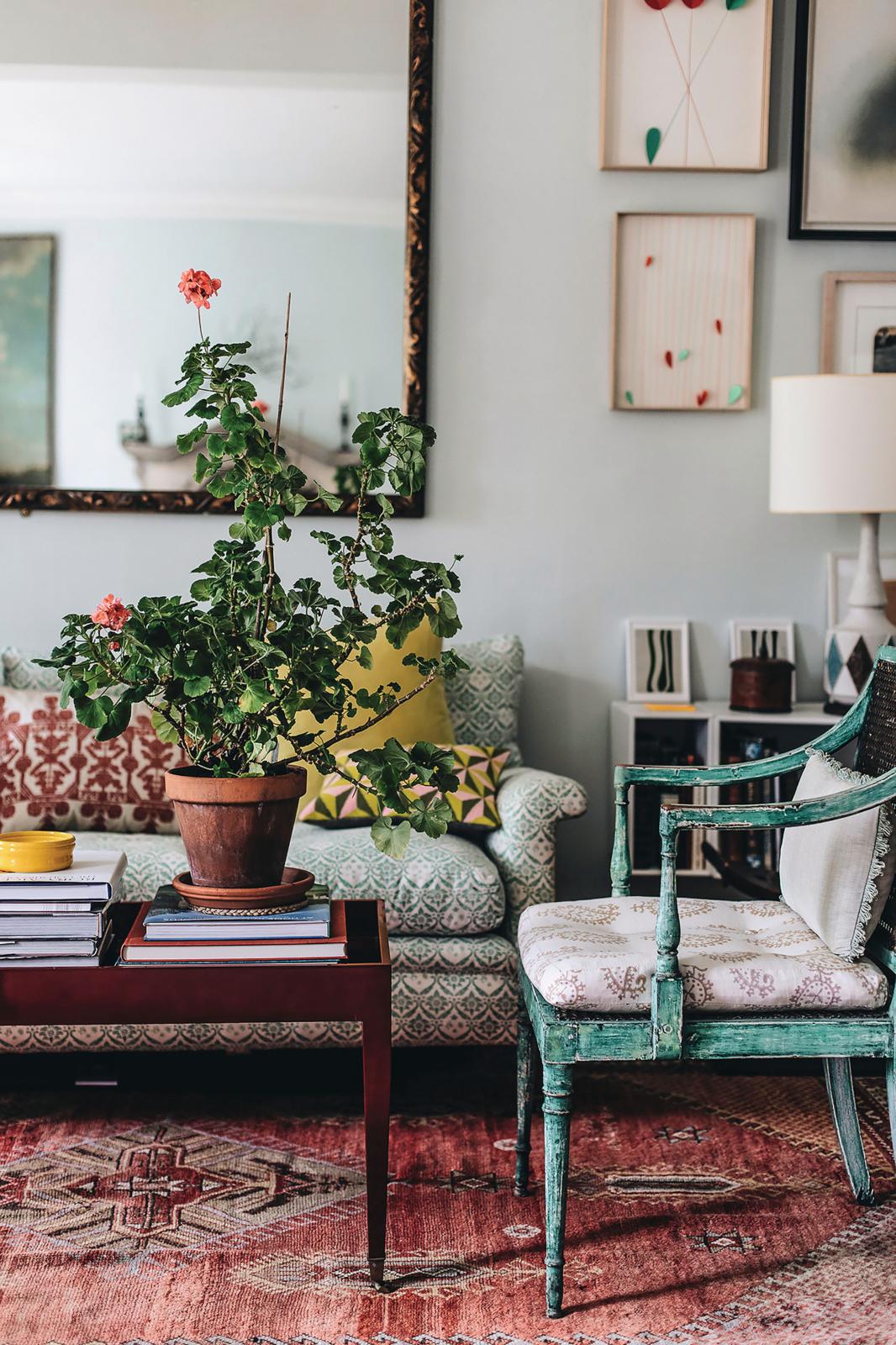
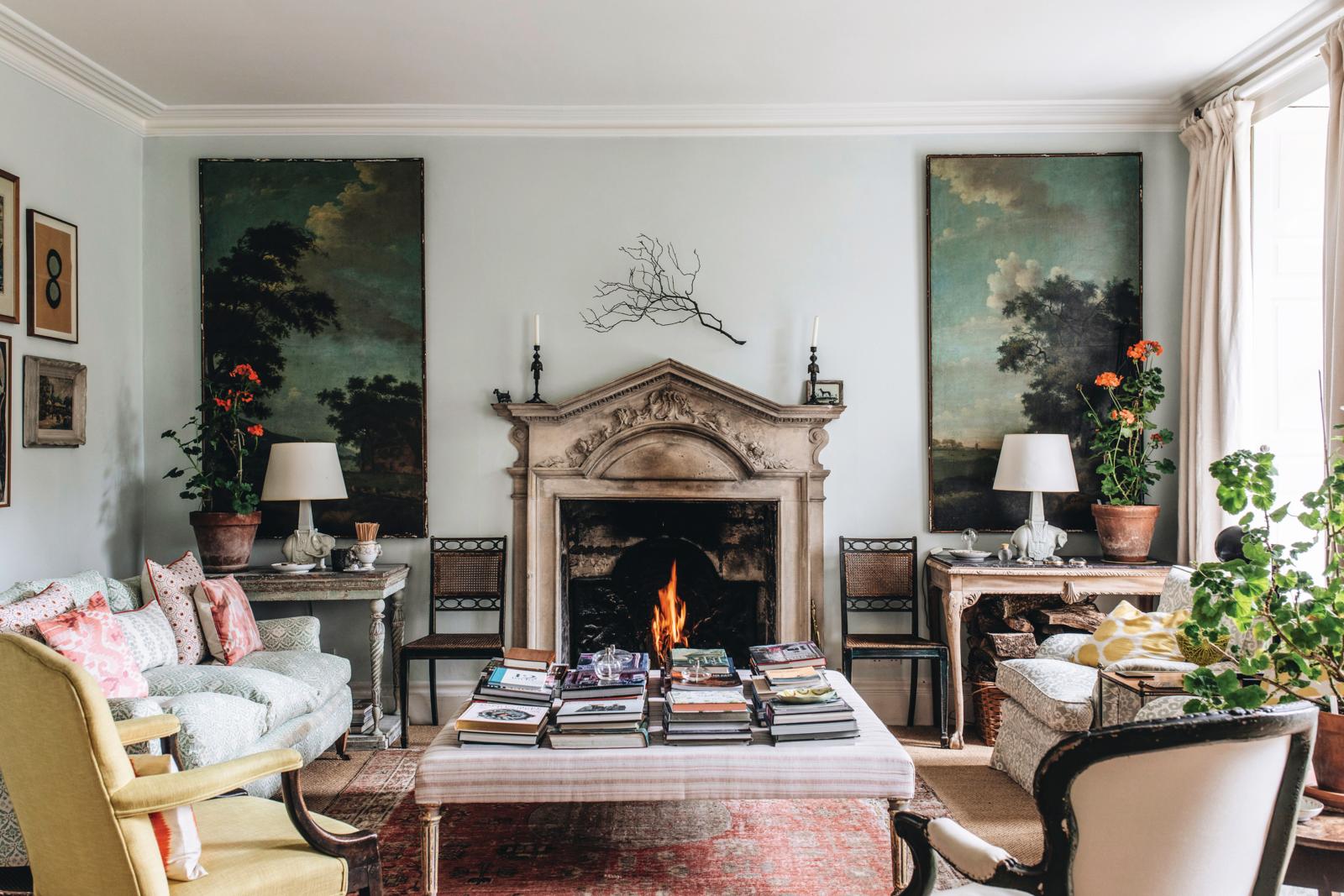
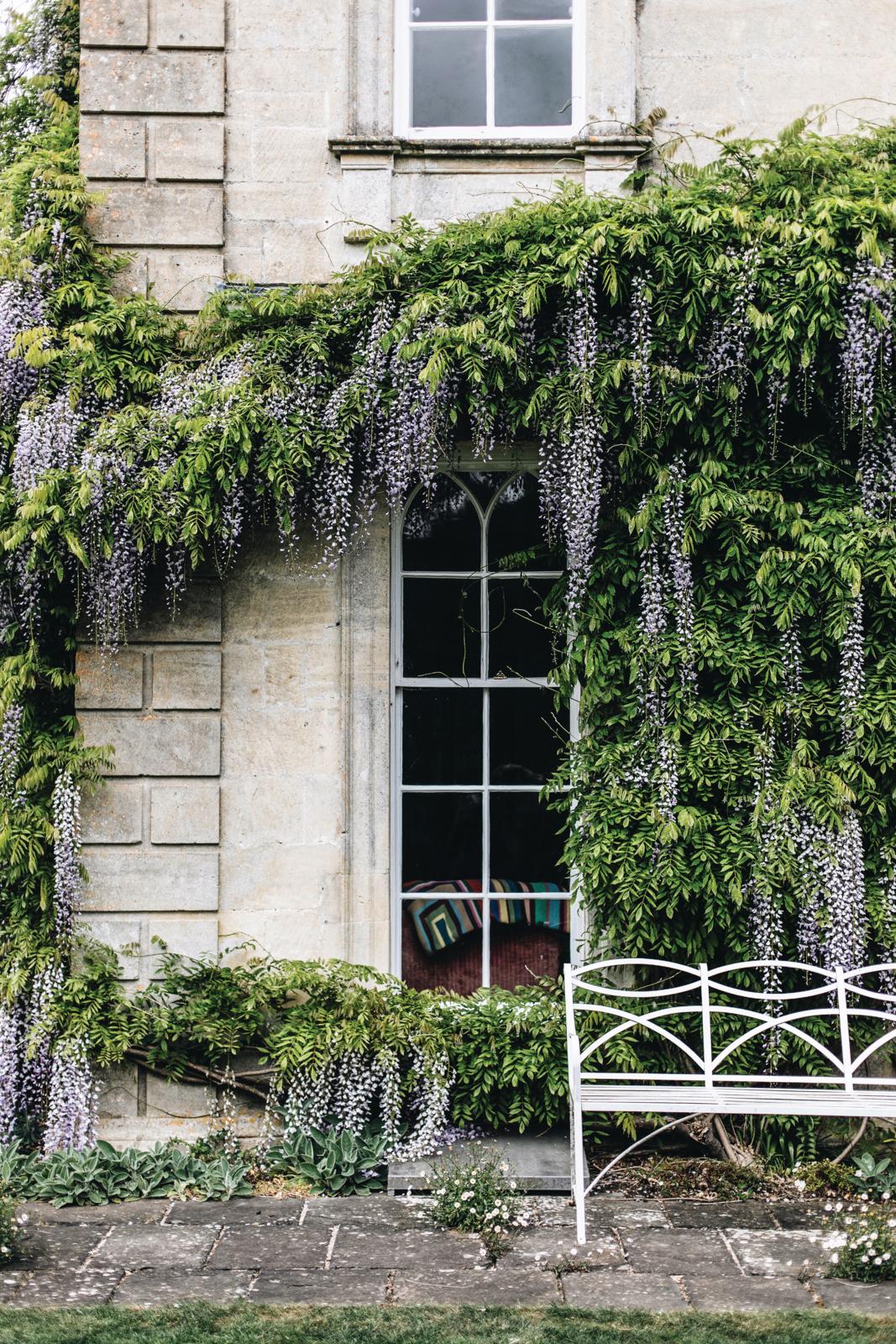
The house is in the Cotswolds and sits at the head of a magical valley. It is a farmhouse that was extended by a wealthy local mill owner in the 18th century, so it has a smart front and rather rambling sides to it. My husband, Hugh, and I were lucky to find the property 14 years ago with its fireplaces and floors still intact. I have tried to keep the interiors as timeless as possible, and most of our personal stamp comes in the pictures and furniture we have gathered over the years.
How does nature find its way into your home?
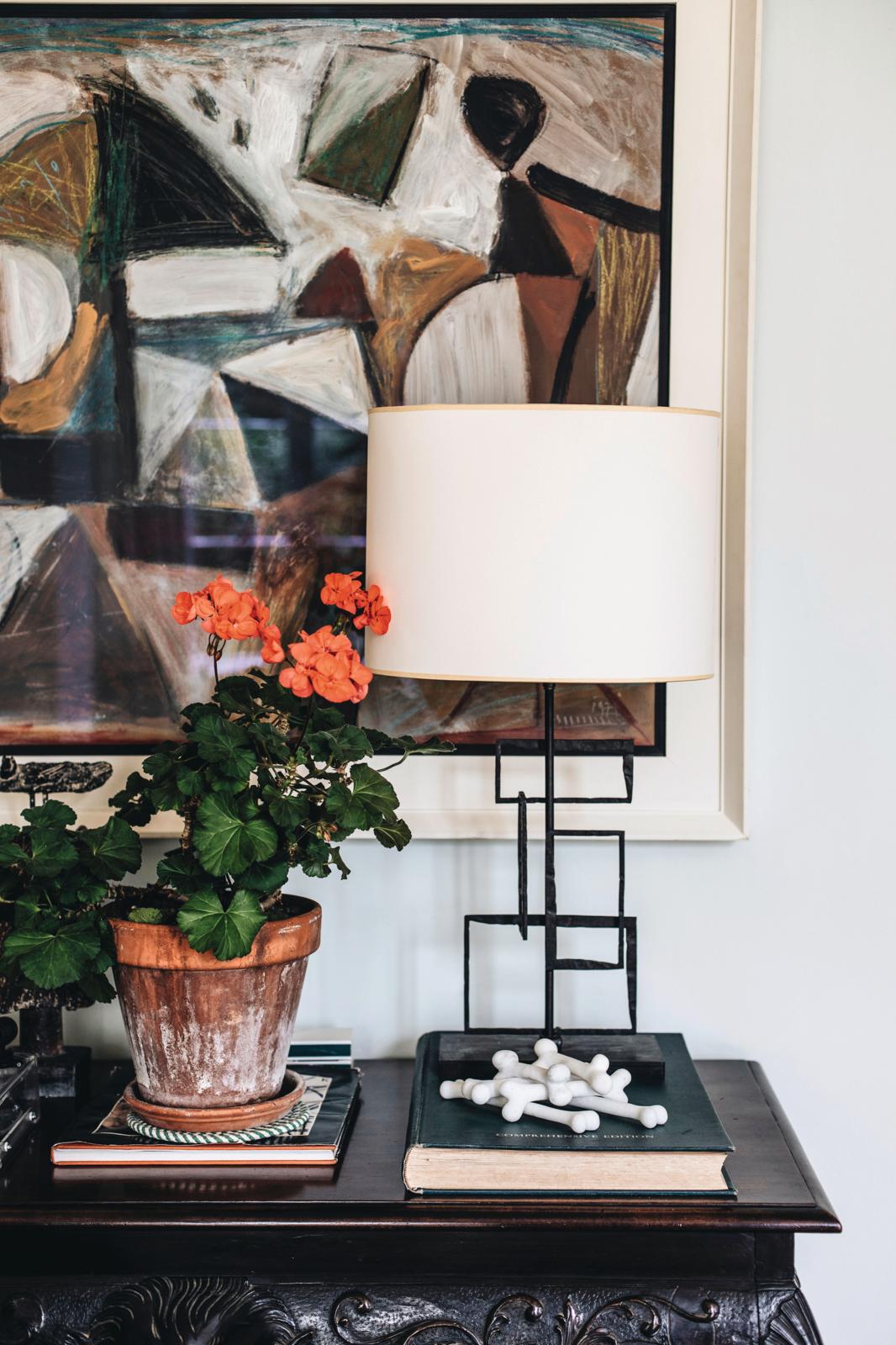
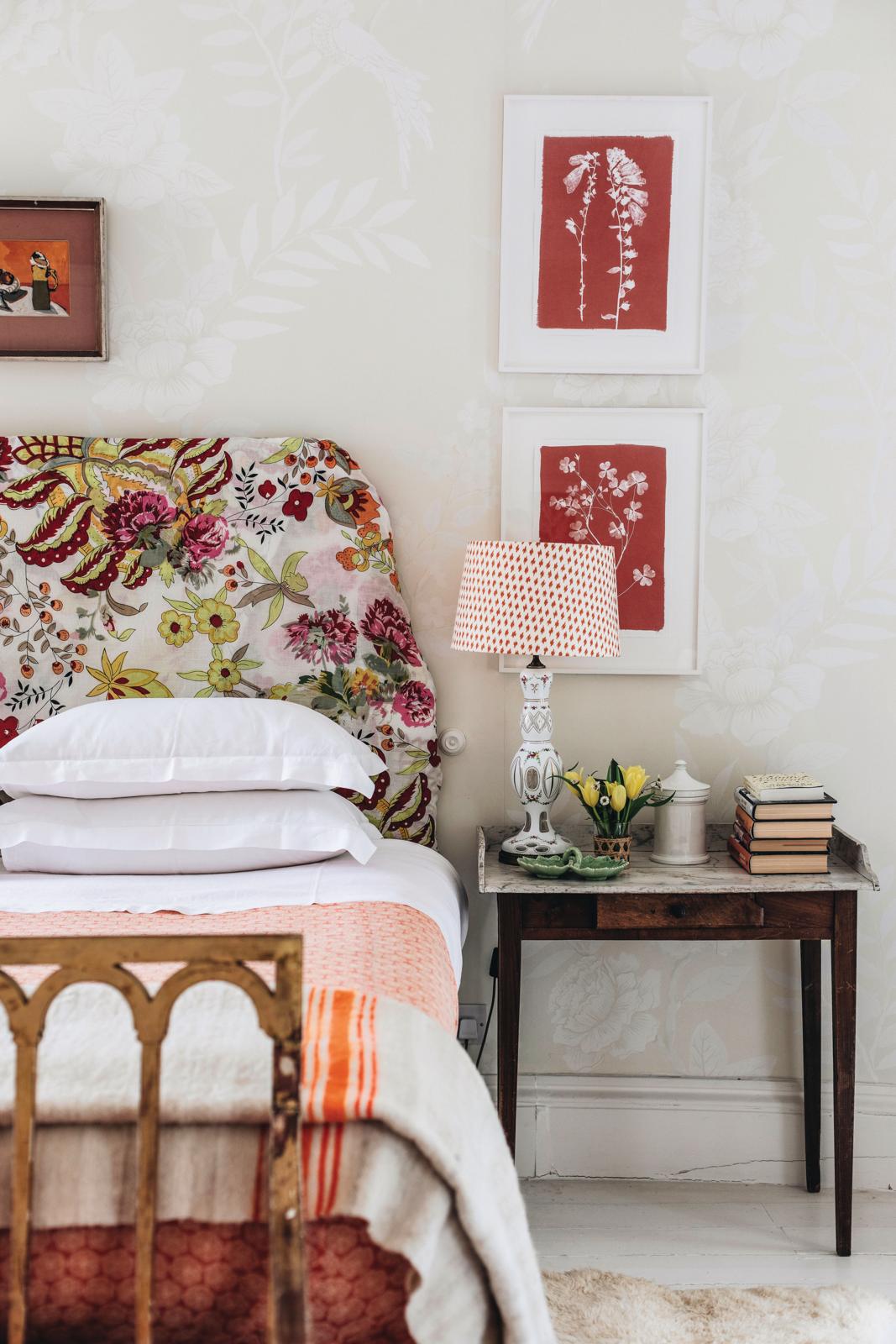
I never feel the house is ‘awake’ without bringing plants and flowers in. I have to work in town in the week, so Friday is the day when I haul all sorts in. I try to have something flowering in the garden that can be picked throughout the year. I also have a soft spot for flower pictures and have collected them over the years. I am always on the lookout, and one of my recent acquisitions was a pair of Rory McEwen tulip prints from a local auction house. I do love chintz, but prefer to keep it upstairs in the bedrooms.

How does light have an impact in your home?
Our house is dark in the centre hall and the dining room, but we are lucky to have a west-facing, sunny sitting room and bedroom. I have hung quite colourful pictures in the hall and have a penchant for splashes of red that seem to pop up all over the place – an act of defiance? The English winters are dark, so I do think some colour really helps.
Are there any interesting pieces of design advice you’ve been given, or have picked up?
I like the advice I was given that once you have set the ‘bones’ of a house with the key pieces in place, allow yourself to fall in love with items like pictures and then work out where they will go. If everything is bought to fit perfectly into a room, there is a chance of it looking like a hotel. Random finds are often the happy accidents a house needs.
Can you have too much nature or nature-inspired pieces in a home?
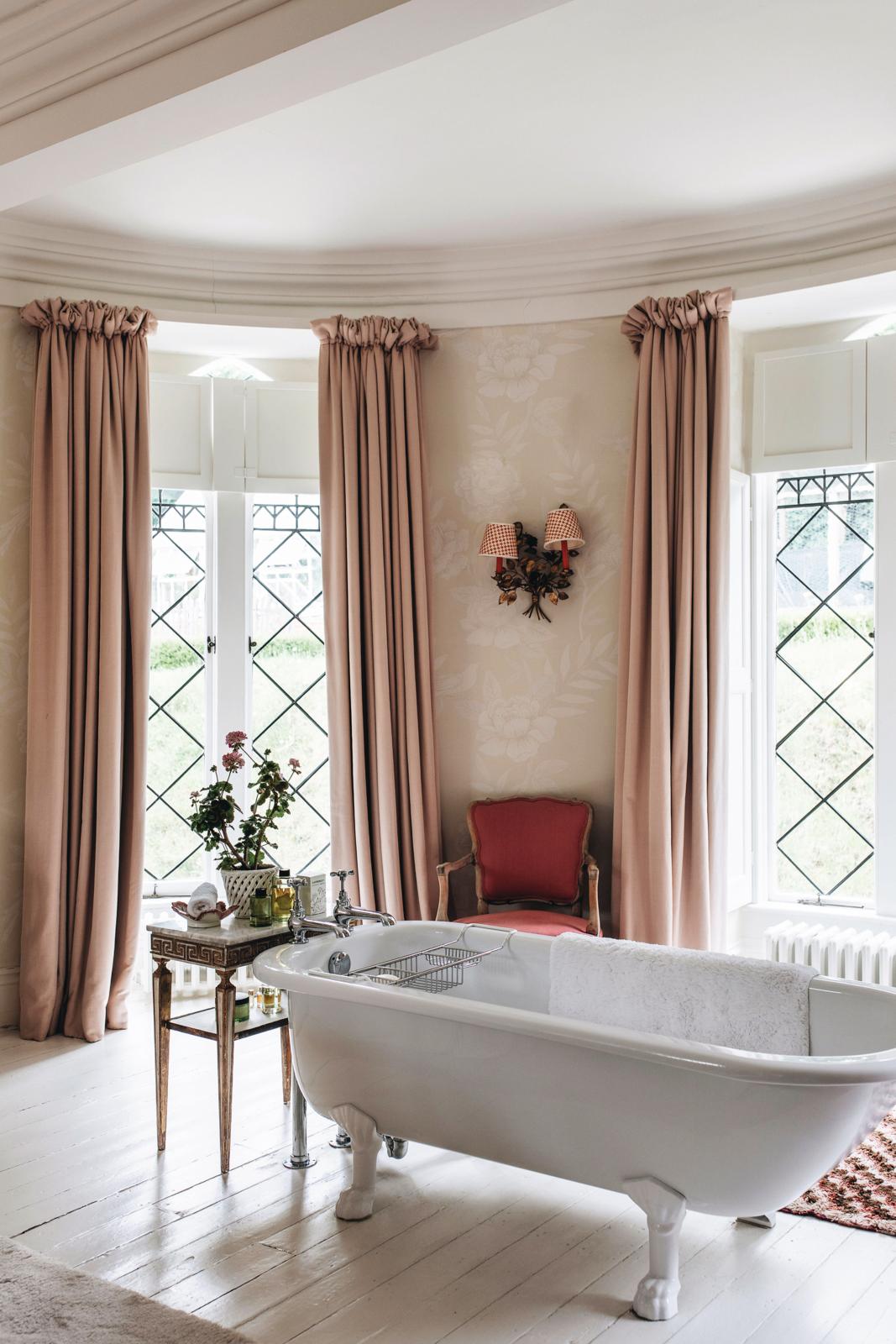
A room without any reference to nature is an alien thought as I am so drawn to flowers and plants in every guise. When you bring flowers into a home, they can actually look pretty garish, so it does take some thought as to what goes where.
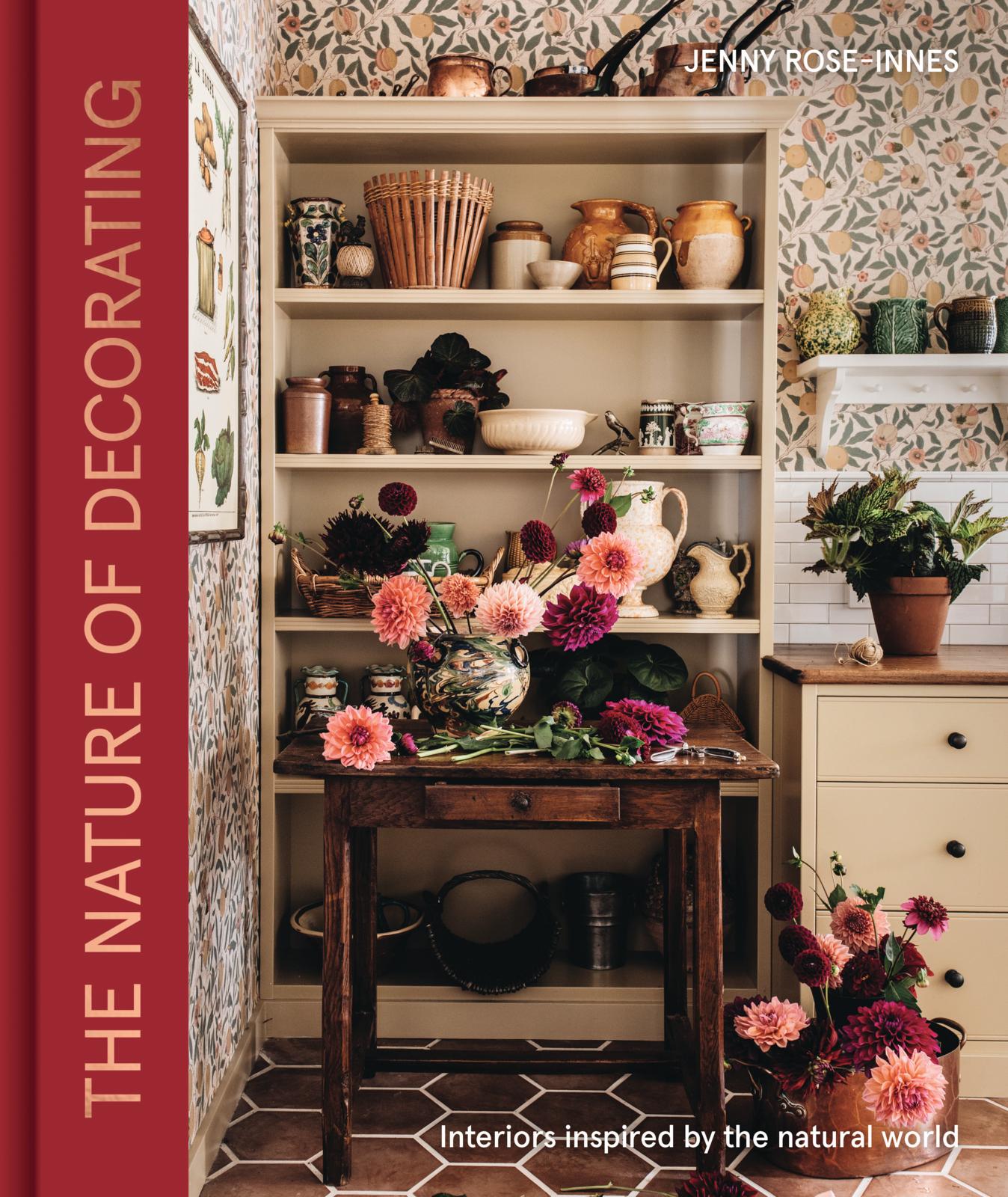
This is an edited extract from The Nature of Decorating by Jenny Rose-Innes (Quadrille, RRP £35) photography © Abbie Mellé